2026 Genesis GV70 vs 2026 Volvo XC60
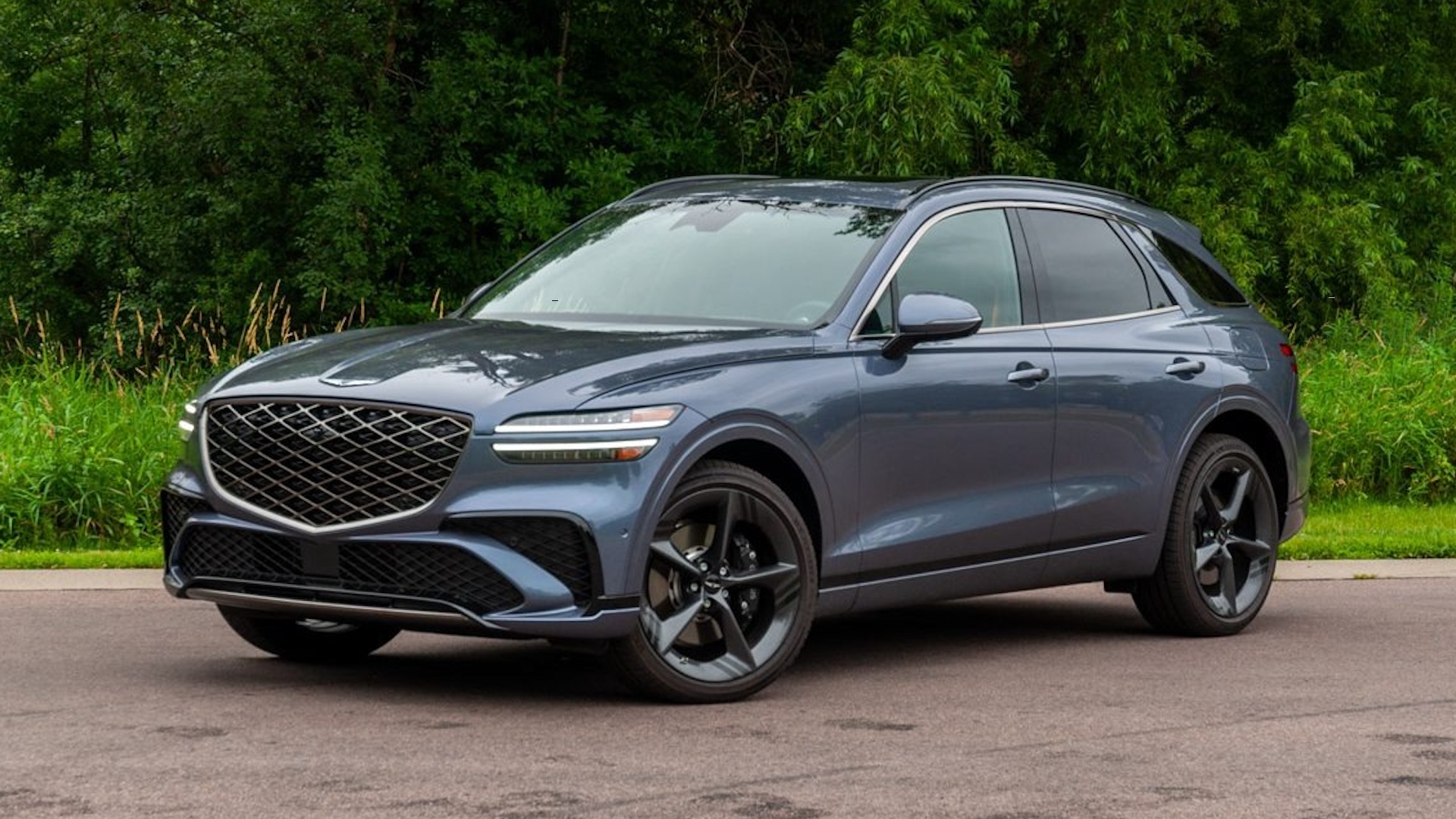
2026 Genesis GV70 vs 2026 Volvo XC60
The definitive buyer guide comparing two of the most compelling luxury compact SUVs on the market. Expert analysis, real data, and honest recommendations to help you choose the right vehicle for your lifestyle and budget.
Updated June 2026- Introduction & Overview
- Pricing & Trim Comparison
- Performance & Powertrain
- Fuel Economy & Efficiency
- Dimensions & Interior Space
- Cargo Capacity & Practicality
- Safety Ratings & Features
- Technology & Infotainment
- Comfort & Luxury Features
- Warranty & Ownership Costs
- Reliability & Long-Term Value
- Driving Dynamics & Handling
- Exterior Design & Styling
- Electrified Options Comparison
- Market Outlook & Future Projections
- Final Verdict & Recommendation
- Frequently Asked Questions
1. Introduction & Overview
2026 Genesis GV70 vs 2026 Volvo XC60 — this is the comparison luxury SUV shoppers have been waiting for. In the fiercely competitive compact luxury SUV segment, two vehicles stand out as exceptional values that deliver premium experiences without the premium price tags of German rivals. The 2026 Genesis GV70 represents Hyundai’s luxury division at its most ambitious, while the 2026 Volvo XC60 showcases Scandinavian design philosophy and safety innovation at its finest.
Both vehicles occupy the same competitive space, offering five-passenger seating, all-wheel-drive capability, turbocharged powertrains, and comprehensive technology suites. Yet they approach the luxury SUV formula from distinctly different angles. Genesis emphasizes bold design, powerful engines, and industry-leading warranty coverage. Volvo prioritizes safety innovation, understated elegance, and environmental consciousness through its hybrid-focused lineup.
This comprehensive buyer guide examines every critical aspect of these two SUVs — from pricing and performance to safety ratings and long-term ownership costs. Whether you are a first-time luxury buyer upgrading from a mainstream brand or a seasoned enthusiast seeking the best value proposition, this guide provides the data-driven insights you need to make an informed decision.
Both the Genesis GV70 and Volvo XC60 are positioned as value alternatives to the BMW X3, Audi Q5, and Mercedes-Benz GLC. The GV70 typically undercuts German rivals by $5,000 to $10,000, while the XC60 offers comparable pricing with superior safety credentials. Consider your priorities: raw performance and warranty peace of mind favor Genesis; safety innovation and Scandinavian design favor Volvo.
Quick At-a-Glance Comparison
| Category | 2026 Genesis GV70 | 2026 Volvo XC60 | Winner |
|---|---|---|---|
| Starting MSRP | $48,985 | $50,995 | Genesis |
| Top Trim MSRP | $70,095 | $81,095 | Genesis |
| Base Engine Power | 300 hp / 311 lb-ft | 247 hp / 266 lb-ft | Genesis |
| Top Engine Power | 375 hp / 391 lb-ft | 455 hp / 523 lb-ft | Volvo |
| Cargo Space (Rear) | 28.9 cu ft | 21.6 cu ft | Genesis |
| NHTSA Overall Rating | 5 Stars | 5 Stars | Tie |
| Bumper-to-Bumper Warranty | 5 yr / 60,000 mi | 4 yr / 50,000 mi | Genesis |
| Powertrain Warranty | 10 yr / 100,000 mi | 4 yr / 50,000 mi | Genesis |
| Complimentary Maintenance | 3 yr / 36,000 mi | 3 yr / 36,000 mi | Tie |
| IIHS Top Safety Pick+ | Yes | Yes (Previous Year) | Tie |
2. Pricing & Trim Comparison
Pricing is often the deciding factor for luxury SUV buyers, and both the Genesis GV70 and Volvo XC60 position themselves as value-oriented alternatives to German competitors. Understanding the full trim hierarchy and option pricing is essential for making an apples-to-apples comparison.
2026 Genesis GV70 Trim Levels & Pricing
The 2026 Genesis GV70 is offered in six distinct trim levels, split between two engine options. The 2.5T lineup uses a turbocharged 2.5-liter inline-four, while the 3.5T lineup upgrades to a twin-turbo 3.5-liter V6. All trims include standard all-wheel drive.
| Trim | Engine | MSRP | Key Features |
|---|---|---|---|
| 2.5T AWD | 2.5L Turbo I4 | $48,985 | Standard AWD, 19″ wheels, leatherette, heated front seats |
| 2.5T Select AWD | 2.5L Turbo I4 | $52,435 | Leather upholstery, panoramic sunroof, power liftgate |
| 2.5T Advanced AWD | 2.5L Turbo I4 | $55,435 | 27″ OLED display, ventilated seats, Bang & Olufsen audio |
| 2.5T Sport Prestige AWD | 2.5L Turbo I4 | $58,795 | Sport styling, 21″ wheels, Nappa leather, head-up display |
| 3.5T Sport Advanced AWD | 3.5L Twin-Turbo V6 | $63,415 | 375 hp V6, sport suspension, limited-slip differential |
| 3.5T Sport Prestige AWD | 3.5L Twin-Turbo V6 | $70,095 | Full luxury package, massage seats, all advanced safety features |
2026 Volvo XC60 Trim Levels & Pricing
The 2026 Volvo XC60 offers nine trim levels across two powertrain families. The B5 lineup uses a mild-hybrid 2.0-liter turbocharged inline-four, while the T8 lineup adds a plug-in hybrid system for significantly more power and electric-only driving capability.
| Trim | Engine | MSRP | Key Features |
|---|---|---|---|
| B5 Core | 2.0L Mild-Hybrid | $50,995 | AWD, 18″ wheels, leatherette, 11.2″ touchscreen |
| B5 Plus | 2.0L Mild-Hybrid | $55,595 | Leather seats, panoramic sunroof, power tailgate |
| B5 Ultra | 2.0L Mild-Hybrid | $60,945 | Harman Kardon audio, 360 camera, adaptive cruise |
| B5 Ultra Black Edition | 2.0L Mild-Hybrid | $62,095 | Black exterior trim, 21″ wheels, unique styling |
| T8 Core | Plug-in Hybrid | $62,445 | 455 hp PHEV, 35-mile electric range, AWD |
| T8 Plus | Plug-in Hybrid | $66,895 | Upgraded interior, premium audio, advanced safety |
| T8 Ultra | Plug-in Hybrid | $72,245 | Full luxury, Bowers & Wilkins audio, air suspension |
| T8 Ultra Black Edition | Plug-in Hybrid | $73,345 | Black styling package, 21″ wheels, exclusive trim |
| T8 Polestar Engineered | Plug-in Hybrid | $81,095 | Performance-tuned suspension, 455 hp, Brembo brakes |
The Genesis GV70 starts approximately $2,000 lower than the Volvo XC60 at the base level ($48,985 vs $50,995). However, the pricing gap widens significantly at the top end — the GV70 3.5T Sport Prestige tops out at $70,095, while the XC60 T8 Polestar Engineered reaches $81,095. For buyers seeking maximum performance, the XC60 T8 offers 455 hp but at a substantial premium. The GV70’s 3.5T V6 delivers 375 hp for roughly $11,000 less than the comparable XC60 T8 Core.
Price-to-Performance Value Visualization
3. Performance & Powertrain
Performance is where the philosophical differences between Genesis and Volvo become most apparent. Genesis prioritizes raw power and driving engagement, while Volvo emphasizes efficiency and smooth power delivery through electrification.
Engine Specifications Comparison
| Specification | GV70 2.5T | GV70 3.5T | XC60 B5 | XC60 T8 |
|---|---|---|---|---|
| Engine | 2.5L Turbo I4 | 3.5L Twin-Turbo V6 | 2.0L Turbo I4 + Mild Hybrid | 2.0L Turbo I4 + PHEV |
| Horsepower | 300 hp @ 5,800 rpm | 375 hp @ 5,800 rpm | 247 hp @ 5,400 rpm | 455 hp @ 6,000 rpm |
| Torque | 311 lb-ft @ 1,650 rpm | 391 lb-ft @ 1,300 rpm | 266 lb-ft @ 2,000 rpm | 523 lb-ft |
| Transmission | 8-Speed Automatic | 8-Speed Automatic | 8-Speed Automatic | 8-Speed Automatic |
| Drivetrain | AWD | AWD | AWD | AWD |
| 0-60 mph (Est.) | ~6.0 sec | 5.0 sec | 6.5 sec | 4.2 sec |
| Top Speed | ~130 mph | 150 mph | 112 mph | 112 mph |
| Towing Capacity | 3,500 lbs | 3,500 lbs | 3,500 lbs | 3,500 lbs |
Performance Analysis
The Genesis GV70 2.5T delivers 300 horsepower and 311 lb-ft of torque — figures that significantly outclass the Volvo XC60 B5‘s 247 horsepower and 266 lb-ft. This 53-horsepower advantage translates to noticeably quicker acceleration and more confident highway passing. The GV70’s 2.5T engine also produces peak torque at just 1,650 rpm, meaning responsive power delivery from low speeds.
At the top of the range, the Volvo XC60 T8 dominates with 455 horsepower and 523 lb-ft of torque from its plug-in hybrid powertrain. This makes the T8 the performance champion of this comparison, achieving 0-60 mph in approximately 4.2 seconds. However, the Genesis GV70 3.5T counters with 375 horsepower and 391 lb-ft, reaching 60 mph in 5.0 seconds — impressive for a conventional gasoline engine and available at a significantly lower price point.
Base Power
Base Power
V6 Power
PHEV Power
Advantage
Advantage
0-60 Time
Genesis GV70 Performance Pros
- Standard 300 hp beats XC60 B5 by 53 hp
- 3.5T V6 delivers sports-car acceleration
- Lower torque peak (1,650 rpm) for instant response
- 150 mph top speed on 3.5T
- Electronic limited-slip differential available
- Road-preview suspension on higher trims
Genesis GV70 Performance Cons
- No hybrid or electrified option in gas lineup
- 3.5T fuel economy is relatively poor (21 mpg combined)
- Heavier than XC60 (up to 4,643 lbs)
- No performance variant like Polestar Engineered
Volvo XC60 Performance Pros
- T8 PHEV delivers 455 hp — segment-leading
- Instant electric torque for seamless acceleration
- 35-mile electric-only range for daily commuting
- Polestar Engineered offers track-ready handling
- Regenerative braking improves efficiency
- Quieter operation in electric mode
Volvo XC60 Performance Cons
- B5 base engine is underpowered for the segment
- T8 requires premium fuel and charging infrastructure
- 112 mph speed limiter on all trims
- Added weight from hybrid components (up to 4,723 lbs)
- Higher price for comparable performance
4. Fuel Economy & Efficiency
Fuel economy is a critical consideration for luxury SUV buyers, especially with fluctuating fuel prices and increasing environmental awareness. The Volvo XC60’s hybrid powertrains give it a significant advantage in this category, while the Genesis GV70 relies on conventional turbocharged efficiency.
EPA Fuel Economy Ratings
| Vehicle | City MPG | Highway MPG | Combined MPG | MPGe (PHEV) |
|---|---|---|---|---|
| GV70 2.5T | 20 | 28 | 23 | N/A |
| GV70 3.5T | 18 | 25 | 21 | N/A |
| XC60 B5 | 23 | 30 | 26 | N/A |
| XC60 T8 | N/A | N/A | 28 | 63 |
The Volvo XC60 B5 achieves 26 mpg combined — a 3 mpg advantage over the Genesis GV70 2.5T‘s 23 mpg. This difference is attributable to Volvo’s mild-hybrid system, which provides electric assistance during acceleration and enables engine-off coasting. On the highway, the XC60 B5’s 30 mpg rating is particularly impressive for a luxury SUV with all-wheel drive.
The XC60 T8 plug-in hybrid changes the equation entirely. When operating on gasoline alone, it achieves 28 mpg combined. However, when factoring in its 35-mile electric-only range and 63 MPGe rating, the T8 can deliver exceptional efficiency for drivers with short daily commutes who can charge overnight. The Genesis GV70 3.5T is the least efficient option at 21 mpg combined, reflecting the trade-off for its V6 performance.
Annual Fuel Cost Comparison
GV70 2.5T Annual Fuel Cost
XC60 B5 Annual Fuel Cost
XC60 T8 Annual Fuel Cost
GV70 3.5T Annual Fuel Cost
For maximum fuel savings, the Volvo XC60 T8 is the clear winner if you have access to home charging and your daily commute is under 35 miles. For buyers without charging infrastructure, the XC60 B5 still offers a meaningful 3 mpg advantage over the GV70 2.5T. However, the GV70’s lower purchase price could offset the fuel cost difference over a typical 5-year ownership period.
5. Dimensions & Interior Space
Interior space and comfort are paramount in the luxury SUV segment. Both the Genesis GV70 and Volvo XC60 seat five passengers, but their dimensional differences affect real-world usability for families and road-trip enthusiasts.
Exterior Dimensions
| Dimension | Genesis GV70 | Volvo XC60 | Advantage |
|---|---|---|---|
| Overall Length | 185.6 in | 185.4 in | Tie |
| Width | 75.2 in | 74.9 in | Genesis |
| Height | 64.2 in | 65.0 in | Volvo |
| Wheelbase | 113.2 in | 112.8 in | Genesis |
| Ground Clearance | 7.3 in | 8.5 in | Volvo |
| Curb Weight | 4,332-4,643 lbs | 4,162-4,723 lbs | Mixed |
| Turning Circle | 37.7 ft | 37.4 ft | Volvo |
Interior Dimensions
| Dimension | Genesis GV70 | Volvo XC60 | Advantage |
|---|---|---|---|
| Front Headroom | 39.6 in | 38.0 in | Genesis |
| Rear Headroom | 39.1 in | 38.0 in | Genesis |
| Front Legroom | 41.3 in | 41.5 in | Volvo |
| Rear Legroom | 37.2 in | 38.0 in | Volvo |
| Front Shoulder Room | 59.1 in | 58.2 in | Genesis |
| Rear Shoulder Room | 56.9 in | 56.3 in | Genesis |
| Passenger Volume | 104 ft cubed | 103 ft cubed | Genesis |
The Genesis GV70 offers slightly more overall passenger volume (104 cubic feet vs 103 cubic feet) and superior shoulder room in both rows, making it feel more spacious for adult passengers. The GV70’s longer wheelbase (113.2 inches vs 112.8 inches) contributes to its generous interior packaging, though the difference is minimal.
The Volvo XC60 counters with slightly more rear legroom (38.0 inches vs 37.2 inches), which can make a meaningful difference for taller rear-seat passengers. The XC60 also offers greater ground clearance (8.5 inches vs 7.3 inches), providing better capability on rough roads or light off-pavement excursions.
Passenger Vol.
Passenger Vol.
Shoulder Room
Legroom
Wheelbase
Ground Clear.
Clear. Advantage
6. Cargo Capacity & Practicality
Cargo capacity is where the Genesis GV70 establishes a clear advantage over the Volvo XC60. For families, outdoor enthusiasts, and anyone who regularly hauls gear, this difference could be a deciding factor.
Cargo Space Comparison
| Configuration | Genesis GV70 | Volvo XC60 | Advantage |
|---|---|---|---|
| Behind Rear Seats | 28.9 cu ft | 21.6 cu ft | GV70 +7.3 cu ft |
| Rear Seats Folded | 56.9 cu ft | 49.8 cu ft | GV70 +7.1 cu ft |
| Towing Capacity | 3,500 lbs | 3,500 lbs | Tie |
| Max Payload | 1,290 lbs | 1,239 lbs | Genesis |
The Genesis GV70 offers 28.9 cubic feet of cargo space behind the rear seats — a substantial 7.3 cubic foot advantage over the Volvo XC60‘s 21.6 cubic feet. This difference is equivalent to approximately two large suitcases or a full stroller plus diaper bag. With the rear seats folded, the GV70’s 56.9 cubic feet expands its lead to 7.1 cubic feet over the XC60’s 49.8 cubic feet.
Independent testing confirmed the GV70’s practical advantage, fitting seven carry-on suitcases behind the rear seats and 22 total with seats folded — more than the Audi Q5 but slightly less than the Lexus RX. The XC60’s smaller cargo area is partly attributable to its hybrid battery packaging in T8 models, though even the B5 variant offers less space than the GV70.
GV70 Carry-On Capacity
XC60 Carry-On Capacity
GV70 Max Cargo
Cargo Advantage
The Genesis GV70 is the clear winner for buyers who prioritize cargo versatility. Its 28.9 cubic feet behind the rear seats is among the best in the compact luxury SUV class, while the XC60’s 21.6 cubic feet is below average. Families with young children, pet owners, and outdoor enthusiasts will appreciate the GV70’s additional 7.3 cubic feet of everyday usable space.
7. Safety Ratings & Features
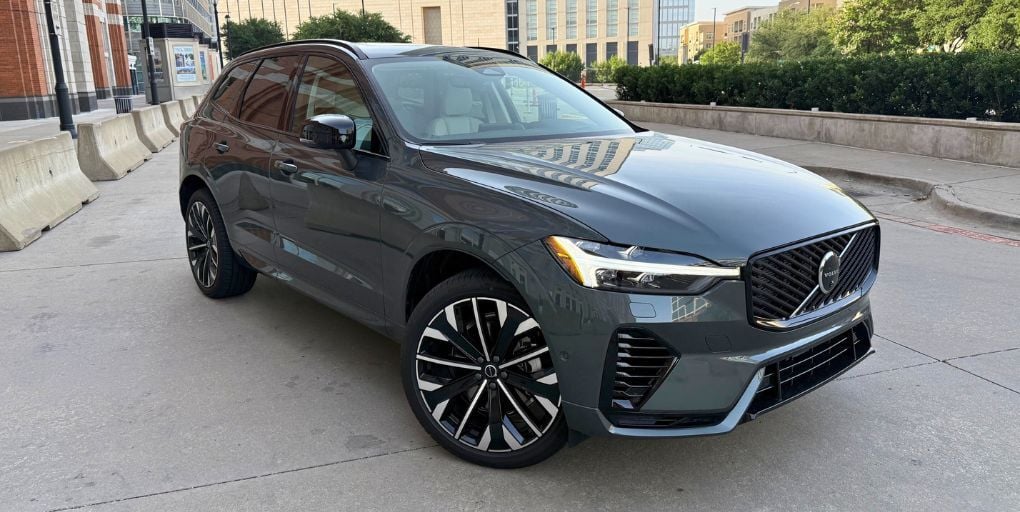
Safety is a cornerstone consideration for luxury SUV buyers, and both Genesis and Volvo have built their reputations on protecting occupants. Volvo’s century-long safety heritage is legendary, while Genesis has rapidly established itself as a safety leader in independent testing.
NHTSA Crash Test Ratings
| Test Category | Genesis GV70 | Volvo XC60 | Winner |
|---|---|---|---|
| Overall Rating | 5 Stars | 5 Stars | Tie |
| Frontal Crash (Driver) | 4 Stars | 5 Stars | Volvo |
| Frontal Crash (Passenger) | 5 Stars | 5 Stars | Tie |
| Side Crash (Overall) | 5 Stars | 5 Stars | Tie |
| Side Barrier (Driver) | 5 Stars | 5 Stars | Tie |
| Side Barrier (Passenger) | 5 Stars | 5 Stars | Tie |
| Rollover | 4 Stars | 4 Stars | Tie |
IIHS Safety Ratings
| Test Category | Genesis GV70 | Volvo XC60 | Winner |
|---|---|---|---|
| Top Safety Pick+ | Yes (2026) | Yes (Previous Year) | Genesis |
| Small Overlap Front (Driver) | Good | Good | Tie |
| Small Overlap Front (Passenger) | Good | Good | Tie |
| Moderate Overlap Front | Good | Good | Tie |
| Side Impact (Updated) | Good | Good | Tie |
| Roof Strength | Good | Good | Tie |
| Head Restraints | Good | Good | Tie |
Standard Safety Features Comparison
| Feature | Genesis GV70 | Volvo XC60 |
|---|---|---|
| Forward Collision Warning | Standard | Standard |
| Automatic Emergency Braking | Standard | Standard |
| Lane Departure Warning | Standard | Standard |
| Lane Keep Assist | Standard | Standard |
| Blind Spot Monitoring | Standard | Standard |
| Rear Cross-Traffic Alert | Standard | Standard |
| Adaptive Cruise Control | Standard | Standard |
| 360-Degree Camera | Available | Available |
| Head-Up Display | Available | Available |
| Built-In Child Booster Seats | Not Available | Available |
| Whiplash Protection (WHIPS) | Not Available | Standard |
| Post-Impact Braking | Not Available | Standard |
| Blind-Spot View Monitor | Available | Not Available |
| Highway Driving Assist | Available | Available |
Both vehicles achieve 5-star overall NHTSA ratings, but the Volvo XC60 holds a critical advantage in frontal crash protection for the driver (5 stars vs 4 stars for the GV70). The XC60 also offers several unique safety features that Genesis does not, including built-in child booster seats (more crash-worthy than aftermarket seats), the Whiplash Protection System (WHIPS) that moves the seat and headrest during rear impacts, and post-impact braking that automatically applies brakes after a collision to prevent secondary impacts.
The Genesis GV70 counters with its own innovations, including the Blind-Spot View Monitor that displays a live camera feed of the blind spot in the instrument cluster when signaling, and Highway Driving Assist that combines adaptive cruise control with lane-centering for semi-autonomous highway travel. The GV70 also earned 2026 IIHS Top Safety Pick+ status, matching Volvo’s safety pedigree.
Overall NHTSA
Frontal Crash
Frontal Crash
IIHS Rating
Whiplash Protect
Child Boosters
Airbags
The Volvo XC60 edges ahead in safety innovation with its exclusive WHIPS system, built-in child booster seats, and superior driver frontal crash rating. However, the Genesis GV70 matches the XC60 in overall crash protection and offers its own advanced driver-assistance technologies. For families with young children, the XC60’s built-in booster seats and post-impact braking provide tangible safety advantages that are difficult to replicate with aftermarket solutions.
8. Technology & Infotainment
Technology has become a primary differentiator in the luxury SUV market, and both Genesis and Volvo have invested heavily in creating cutting-edge digital experiences. The 2026 model year brings significant updates to both vehicles’ infotainment systems.
Infotainment Systems Comparison
| Feature | Genesis GV70 | Volvo XC60 | Winner |
|---|---|---|---|
| Display Size | 27.0″ OLED Panoramic | 11.2″ Touchscreen | Genesis |
| Display Type | OLED (Combined Cluster + Infotainment) | LCD (Central Touchscreen Only) | Genesis |
| Apple CarPlay | Wireless (Standard) | Wireless (Standard) | Tie |
| Android Auto | Wireless (Standard) | Wireless (Standard) | Tie |
| Navigation | Standard | Standard | Tie |
| Wi-Fi Hotspot | Standard | Standard | Tie |
| Wireless Charging | Standard | Standard | Tie |
| Premium Audio | Bang & Olufsen (16 speakers) | Harman Kardon (14 speakers) / Bowers & Wilkins | Tie |
| Digital Key | Genesis Digital Key 2 (Available) | Not Available | Genesis |
| Over-the-Air Updates | Yes | Yes | Tie |
| Voice Recognition | Enhanced (2026 Update) | Google Assistant Integration | Tie |
| Head-Up Display | Available | Available | Tie |
| Surround View Monitor | Available | Available | Tie |
The headline feature for the 2026 Genesis GV70 is its massive 27.0-inch OLED panoramic display that stretches across the entire dashboard, combining the digital instrument cluster and central infotainment system into one seamless panel. This is a genuine segment-first feature that creates a futuristic, high-tech cabin atmosphere unmatched by any competitor at this price point. The OLED technology delivers superior contrast, deeper blacks, and more vibrant colors than traditional LCD screens.
The 2026 Volvo XC60 receives an upgraded 11.2-inch touchscreen (up from 9.0 inches in previous years) with Volvo’s latest infotainment system. While smaller than the GV70’s display, the XC60’s system is praised for intuitive operation and responsive performance. Volvo’s integration of Google Assistant, Google Maps, and the Google Play Store provides a familiar ecosystem for Android users. The system also features improved processing power and graphics performance for the 2026 model year.
GV70 Display Size
XC60 Display Size
GV70 Audio Speakers
XC60 Audio Speakers
The Genesis GV70 wins on sheer visual impact and screen real estate with its 27-inch OLED display. For tech enthusiasts and buyers who prioritize a futuristic cabin experience, the GV70 is the clear choice. However, the Volvo XC60’s system may be more intuitive for daily use, with better integration of Google services and a more straightforward interface. Both offer wireless smartphone connectivity, premium audio, and comprehensive connectivity features as standard.
9. Comfort & Luxury Features
Luxury is defined by the details — the quality of materials, the sophistication of design, and the thoughtfulness of features that make every drive more pleasant. Both the Genesis GV70 and Volvo XC60 deliver impressive luxury credentials, but with different philosophical approaches.
Interior Materials & Design
The Genesis GV70 interior is described by reviewers as “more daring” than its larger GV80 sibling, with sweeping lines that carry from the exterior into the cabin for a cohesive, fashionable aesthetic. Fine materials cover all interior surfaces, and the knurled glass shift knob is a particular highlight that looks and feels genuinely luxurious. For 2026, Genesis has updated the climate controls to use a new touchpad lower on the console, and the new display screens look crisp and modern.
The Volvo XC60 embodies Scandinavian minimalism with clean lines, high-quality materials, and a restrained color palette. Volvo’s interior design philosophy prioritizes sustainability, with options for wool blend upholstery and leather-free interiors. The 2026 update brings new interior decors, inlays, and upholsteries, along with revised center console cupholders and an improved wireless phone charger design. The XC60’s cabin is quieter and more serene than the GV70’s, with better sound insulation.
Comfort Features Comparison
| Feature | Genesis GV70 | Volvo XC60 |
|---|---|---|
| Standard Upholstery | Leatherette | Leatherette |
| Leather Upgrade | Genuine Leather / Nappa Leather | Genuine Leather / Nappa Leather |
| Heated Front Seats | Standard | Standard |
| Ventilated Front Seats | Standard on Advanced+ | Available |
| Massage Front Seats | Available (3.5T Prestige) | Available (Ultra trims) |
| Heated Rear Seats | Available | Available |
| Heated Steering Wheel | Available | Available |
| Panoramic Sunroof | Available | Available |
| Power Liftgate | Standard | Standard |
| Hands-Free Liftgate | Available | Available |
| Memory Seats | Standard | Standard |
| Four-Zone Climate | Available | Standard on Ultra |
| Active Air Suspension | Not Available | Available (B5 Ultra) |
| Ambient Interior Lighting | Adjustable (Standard) | Available |
Both vehicles offer heated front seats as standard equipment, with ventilated seats, massage functions, and heated rear seats available on higher trims. The Volvo XC60 offers an active air suspension option on the B5 Ultra trim, which can adjust ride height and damping for improved comfort or sportiness — a feature the Genesis GV70 does not offer. However, the GV70 counters with electronically controlled suspension with Road Preview on higher trims, which uses the front camera to read the road surface and adjust damping before hitting potholes or speed bumps.
Genesis GV70 Comfort Pros
- Standard ventilated seats on Advanced+ trims
- Road Preview suspension on higher trims
- Knurled glass shift knob and luxury details
- More daring, fashion-forward interior design
- Standard adjustable ambient lighting
Genesis GV70 Comfort Cons
- No active air suspension option
- Rear seat space is tighter than XC60
- Touch-sensitive climate controls can be finicky
Volvo XC60 Comfort Pros
- Active air suspension available
- Superior cabin quietness and insulation
- Sustainable material options (wool blend)
- More rear legroom for passengers
- Cleaner, more intuitive interior layout
Volvo XC60 Comfort Cons
- Less visually dramatic interior design
- Smaller cargo space limits practicality
- Some controls buried in touchscreen menus
10. Warranty & Ownership Costs
Warranty coverage and ownership costs are critical factors in the luxury vehicle purchase decision. Genesis has built its brand partly on industry-leading warranty coverage, while Volvo offers competitive protection with a focus on convenience.
Warranty Coverage Comparison
| Coverage Type | Genesis GV70 | Volvo XC60 | Winner |
|---|---|---|---|
| Bumper-to-Bumper | 5 years / 60,000 miles | 4 years / 50,000 miles | Genesis |
| Powertrain | 10 years / 100,000 miles | 4 years / 50,000 miles | Genesis |
| Roadside Assistance | 5 years / Unlimited miles | 4 years / Unlimited miles | Genesis |
| Corrosion Perforation | 7 years / Unlimited miles | 12 years / Unlimited miles | Volvo |
| Complimentary Maintenance | 3 years / 36,000 miles | 3 years / 36,000 miles | Tie |
| Battery (PHEV/EV) | 10 years / 100,000 miles | 8 years / 100,000 miles | Genesis |
The Genesis GV70 offers the most comprehensive warranty package in the luxury segment. The 5-year/60,000-mile bumper-to-bumper coverage exceeds Volvo’s 4-year/50,000-mile offering by a full year and 10,000 miles. More dramatically, the GV70’s 10-year/100,000-mile powertrain warranty doubles Volvo’s coverage period and mileage. This is a significant advantage for buyers planning long-term ownership, as powertrain repairs are typically the most expensive.
Both manufacturers offer three years of complimentary scheduled maintenance, covering oil changes, inspections, and routine service at no cost. Genesis extends this with complimentary valet service for maintenance appointments, where a Genesis representative picks up the vehicle and leaves a loaner — a white-glove touch that elevates the ownership experience.
5-Year Cost to Own Comparison
GV70 2.5T Base 5-Year Cost
XC60 B5 Core 5-Year Cost
XC60 B5 Ultra 5-Year Cost
GV70 Warranty Savings
Genesis dominates the warranty comparison with coverage that is unmatched in the luxury segment. The 10-year/100,000-mile powertrain warranty alone provides peace of mind that could save thousands in potential repair costs. For buyers planning to keep their vehicle beyond the standard warranty period, the GV70’s superior coverage is a compelling financial advantage. Volvo’s shorter warranties are more typical for the luxury segment but fall short of Genesis’s industry-leading offerings.
11. Reliability & Long-Term Value
Reliability and long-term value are increasingly important to luxury buyers who expect their vehicles to remain trouble-free throughout ownership. Both Genesis and Volvo have made strides in this area, but with different track records.
J.D. Power & Consumer Reports Ratings
According to J.D. Power’s 2025 U.S. Vehicle Dependability Study, Genesis as a brand ranked 17th among all automakers, which is below the industry average. However, the GV70 specifically has not been individually rated in recent studies due to its newer introduction. Consumer Reports gave the 2025 GV70 a predicted reliability rating of 35/100, describing it as “less reliable than the average new car” based on data from 2022 through 2024 models.
Volvo typically performs better in long-term reliability studies, with the XC60 benefiting from a more mature platform that entered production in 2017. The XC60’s powertrains, while complex (especially the T8 plug-in hybrid), have been refined over multiple model years. Volvo’s mild-hybrid B5 system is simpler and potentially more reliable than the full plug-in hybrid T8.
Resale Value Projections
| Vehicle / Trim | 3-Year Resale Value | 5-Year Resale Value |
|---|---|---|
| GV70 2.5T Base | ~58% of MSRP | ~45% of MSRP |
| GV70 3.5T Prestige | ~55% of MSRP | ~42% of MSRP |
| XC60 B5 Core | ~60% of MSRP | ~48% of MSRP |
| XC60 T8 Ultra | ~52% of MSRP | ~40% of MSRP |
The Volvo XC60 generally holds slightly better resale value due to Volvo’s established brand recognition and loyal customer base. However, the Genesis GV70‘s lower starting price means that absolute dollar depreciation may be comparable or even favorable for Genesis. The XC60 B5 Core is projected to retain approximately 60% of its value after three years, while the GV70 2.5T Base retains around 58%. The gap narrows at five years, with the XC60 holding a slight 3% advantage.
Both vehicles use complex turbocharged engines and advanced electronics that can be expensive to repair outside of warranty. The Genesis GV70’s superior warranty coverage (10-year powertrain) significantly mitigates long-term risk. For the Volvo XC60, the T8 plug-in hybrid’s complexity introduces additional potential failure points (battery, electric motor, charging system) that the simpler B5 avoids. Buyers prioritizing long-term reliability should consider the XC60 B5 or the GV70 2.5T over the more complex powertrain options.
12. Driving Dynamics & Handling
Driving dynamics separate good luxury SUVs from great ones. The way a vehicle handles corners, absorbs bumps, and communicates with the driver defines the ownership experience for enthusiasts.
Suspension & Handling Comparison
The Genesis GV70 is praised by reviewers for striking “an appealing middle ground between performance and plushness.” The standard suspension uses a front strut and rear multilink setup that provides a comfortable ride while maintaining composure during spirited driving. For 2026, Genesis has made small changes to the steering and suspension to improve ride and handling further. The available 3.5T Sport trims add an electronic limited-slip differential that optimizes traction when cornering by distributing power between the rear wheels based on driving conditions.
The Volvo XC60 prioritizes ride comfort and stability over sporty handling. The suspension is tuned for a serene, isolated driving experience that soaks up road imperfections with Swedish efficiency. The available active air suspension on B5 Ultra and T8 Ultra trims can adjust ride height and damping stiffness, allowing drivers to choose between Comfort, Eco, Dynamic, and Off-Road modes. The T8 Polestar Engineered variant adds performance-oriented Ohlins dampers and Brembo brakes for buyers seeking sharper handling.
Steering & Brake Feel
The GV70’s steering is described as precise and well-weighted, with good feedback that inspires confidence on back roads. The 3.5T Sport models feature larger brakes (14.2-inch front vented discs) that provide strong, consistent stopping power. In Car and Driver testing, the GV70 3.5T stopped from 70 mph in just 187 feet — impressive for a luxury SUV.
The XC60’s steering is lighter and more relaxed, prioritizing ease of use over engagement. This aligns with Volvo’s comfort-first philosophy but may disappoint drivers seeking a more connected feel. The XC60 T8 Polestar Engineered addresses this with upgraded Brembo brakes and a more responsive steering calibration, though at a significant price premium.
Skidpad Grip
70-0 Braking
Primary Focus
Available
Available
Standard
Drive Mode
For buyers who enjoy driving and occasionally seek out winding roads, the Genesis GV70 is the more engaging choice with its sharper steering, available limited-slip differential, and higher top speed. For buyers who prioritize a relaxed, comfortable commute and serene highway cruising, the Volvo XC60’s softer suspension and superior noise isolation create a more tranquil environment. The XC60 T8 Polestar Engineered bridges this gap for performance-oriented Volvo buyers but at a steep price premium.
13. Exterior Design & Styling
Exterior design is deeply subjective, but both the Genesis GV70 and Volvo XC60 have received widespread acclaim for their distinctive aesthetics. These are two of the most visually striking vehicles in the compact luxury SUV segment.
Genesis GV70 Design Philosophy
The Genesis GV70 is a head-turner by design. Its bold, athletic stance features the brand’s signature crest grille, quad headlights with distinctive double-line LED daytime running lights, and a fastback-inspired roofline that gives it a coupe-like silhouette. For 2026, Genesis has updated the headlights, grille pattern, and wheel designs while adding visual enhancements for the Sport trim level. The GV70’s design language is unapologetically dramatic — it catches more attention than most competitors and has been described as one of the best-looking SUVs in its class.
Volvo XC60 Design Philosophy
The Volvo XC60 embodies Scandinavian restraint and elegance. The 2026 facelift brings a new grille, new alloy wheel designs, darkened LED tail-lights, and three new exterior paint finishes: Forest Lake, Mulberry Red, and Aurora Silver. The “Thor’s Hammer” LED headlights remain a Volvo signature, while the overall proportions emphasize solidity and sophistication. The XC60’s design is less flashy than the GV70’s but projects an image of understated confidence and timelessness. The available Black Edition trims add a more aggressive, monochromatic aesthetic for buyers seeking a sportier look.
Exterior Features Comparison
| Feature | Genesis GV70 | Volvo XC60 |
|---|---|---|
| Standard Wheels | 19″ Alloy | 18″ Alloy |
| Available Wheels | Up to 21″ Alloy | Up to 21″ Alloy |
| Headlights | Quad LED with Double-Line DRL | LED “Thor’s Hammer” |
| Tail Lights | LED with Distinctive Shape | LED with Darkened Treatment (2026) |
| Panoramic Sunroof | Available | Available |
| Roof Rails | Standard | Standard |
| Exterior Colors | 8 Options (Including Uyuni White, Capri Blue, Mauna Red) | 8 Options (Including Forest Lake, Mulberry Red, Aurora Silver) |
| Black Edition Option | No | Yes (B5 and T8 Ultra) |
Choose the Genesis GV70 if you want to make a statement and appreciate bold, athletic design that stands out in parking lots. Choose the Volvo XC60 if you prefer timeless elegance and understated sophistication that ages gracefully. Both are genuinely attractive vehicles — the GV70 is more dramatic, the XC60 more refined. Your personal aesthetic preference should guide this decision.
14. Electrified Options Comparison
Electrification is reshaping the luxury SUV landscape, and both Genesis and Volvo offer electric or plug-in hybrid variants. Understanding these options is essential for buyers considering their environmental impact and fuel costs.
Genesis Electrified GV70
The Electrified GV70 is a separate model from the gasoline-powered GV70, featuring a dual-motor all-wheel-drive electric powertrain. For 2026, Genesis has equipped it with a larger 84.0 kWh battery (up from 77.4 kWh), added a Tesla NACS charging port for access to the Supercharger network, and updated the styling to match the refreshed gasoline model. The Electrified GV70 produces 429 horsepower and 516 lb-ft of torque, with a Boost mode that temporarily increases output to 483 horsepower for 10 seconds. EPA range is estimated at approximately 250 miles, with DC fast charging capable of 10-80% in about 18 minutes on compatible 350 kW chargers.
Volvo XC60 T8 Plug-in Hybrid
The Volvo XC60 T8 is a plug-in hybrid that combines a 2.0-liter turbocharged inline-four with an electric motor and 15 kWh battery pack. It produces 455 horsepower and 523 lb-ft of torque while offering approximately 35 miles of electric-only driving range. The T8 can operate as a pure EV for short commutes, as a hybrid for longer trips, or with both power sources combined for maximum performance. Unlike the Electrified GV70, the T8 does not require reliance on charging infrastructure — it can operate indefinitely on gasoline alone.
Electrified Comparison Table
| Specification | Electrified GV70 | XC60 T8 PHEV |
|---|---|---|
| Powertrain | Dual-Motor EV (84 kWh Battery) | Plug-in Hybrid (2.0L Turbo + Electric) |
| Horsepower | 429 hp (483 hp Boost) | 455 hp |
| Torque | 516 lb-ft (700 Nm) | 523 lb-ft |
| Electric Range | ~250 miles (EPA est.) | ~35 miles (EV only) |
| MPGe | N/A (Full EV) | 63 MPGe |
| Charging Port | Tesla NACS (2026 Update) | CCS / J1772 |
| DC Fast Charging | 350 kW (10-80% in ~18 min) | Not applicable (PHEV) |
| Starting MSRP | ~$67,000 (est.) | $62,445 |
| Vehicle-to-Load | Yes (3.7 kW) | No |
| Frunk Storage | Yes (25L) | No |
The choice between the Electrified GV70 and XC60 T8 depends on your driving patterns and charging access. The Electrified GV70 is a true EV that requires charging infrastructure but offers zero emissions and lower operating costs. The addition of the Tesla NACS port for 2026 dramatically improves charging accessibility. The XC60 T8 offers flexibility — it can run on electricity for daily commutes and gasoline for road trips without range anxiety. However, its 35-mile electric range is modest compared to newer PHEV competitors.
Choose the Electrified GV70 if you have reliable home charging, drive primarily in urban/suburban environments, and want to eliminate gasoline entirely. Choose the XC60 T8 if you need the flexibility of a hybrid for long road trips, lack consistent charging access, or want the performance benefits of electrification without the range constraints of a full EV. The XC60 T8’s lower starting price also makes it more accessible for buyers curious about plug-in hybrids.
15. Market Outlook & Future Projections
Understanding where these vehicles fit in the broader automotive market helps buyers make informed decisions about timing, value, and future relevance.
Compact Luxury SUV Market Trends (2026-2030)
The compact luxury SUV segment continues to be one of the most competitive and fastest-growing categories in the automotive industry. In 2026, several trends are shaping the market:
- Electrification Acceleration: By 2028, industry analysts project that 40-50% of compact luxury SUV sales will be electrified (PHEV, BEV, or strong hybrid). Both Genesis and Volvo are well-positioned, with Genesis expanding its EV lineup and Volvo committing to full electrification by 2030.
- Technology Arms Race: Larger screens, more advanced driver-assistance systems, and AI-powered features are becoming standard expectations. The GV70’s 27-inch display sets a new benchmark that competitors will likely match within 1-2 years.
- Value Consciousness: Economic uncertainty has made buyers more price-sensitive, benefiting value-oriented brands like Genesis and Volvo over more expensive German alternatives. Both vehicles offer German-level luxury at 10-20% lower prices.
- Sustainability Focus: Younger luxury buyers increasingly prioritize environmental impact. Volvo’s carbon-neutral manufacturing goals and sustainable material options appeal to this demographic, while Genesis is rapidly expanding its EV offerings.
Future Model Updates Projection
Genesis GV70 Future Outlook
Volvo XC60 Future Outlook
EV Market Share Projection
Price Inflation Estimate
Competitive Landscape Evolution
By 2028, the Genesis GV70 will face increased competition from the fully electric BMW Neue Klasse X3, the next-generation Audi Q5 e-tron, and Mercedes-Benz’s expanded EQ SUV lineup. Volvo’s next-generation XC60 will transition to a dedicated EV platform, potentially leaving the current PHEV-focused model as a transitional offering. For buyers purchasing in 2026, both vehicles represent current-generation technology that will remain competitive for 3-5 years but may feel dated as the industry accelerates toward full electrification.
Buyers considering the 2026 Genesis GV70 or Volvo XC60 should be aware that both vehicles represent the current state of technology in a rapidly evolving segment. The GV70’s gasoline powertrains may face declining resale value as EV adoption accelerates, while the XC60’s PHEV system is a transitional technology that Volvo plans to phase out by 2030. If you plan to keep your vehicle for 7+ years, consider the Electrified GV70 or wait for the next-generation XC60 EV. For 3-5 year ownership, either current model offers excellent value and technology.
16. Final Verdict & Recommendation
After comprehensive analysis across 15 categories, both the 2026 Genesis GV70 and 2026 Volvo XC60 emerge as exceptional choices in the compact luxury SUV segment — but for different types of buyers.
Scorecard Summary
| Category | Winner | Margin |
|---|---|---|
| Pricing & Value | Genesis GV70 | Significant ($2K-$11K advantage) |
| Base Engine Performance | Genesis GV70 | +53 hp, +45 lb-ft |
| Top Engine Performance | Volvo XC60 T8 | +80 hp, +132 lb-ft |
| Fuel Economy | Volvo XC60 | +3 mpg combined (B5) |
| Interior Space | Tie | Marginal differences |
| Cargo Capacity | Genesis GV70 | +7.3 cu ft (34% advantage) |
| Safety Ratings | Volvo XC60 | Superior frontal crash, unique features |
| Technology | Genesis GV70 | 27″ OLED display is segment-leading |
| Comfort & Luxury | Tie | Different philosophies, both excellent |
| Warranty | Genesis GV70 | 10-year powertrain is unmatched |
| Reliability | Volvo XC60 | Mature platform, better track record |
| Driving Dynamics | Genesis GV70 | More engaging, sportier handling |
| Exterior Design | Subjective | Bold (GV70) vs Elegant (XC60) |
| Electrified Options | Depends on Needs | Full EV (GV70) vs PHEV (XC60) |
| Market Outlook | Tie | Both well-positioned for transition |
Buy the Genesis GV70 If You:
- Want the best value for your money — lower starting price and superior warranty
- Prioritize cargo space and practicality for family use or outdoor activities
- Appreciate bold, head-turning design and a futuristic interior with the 27-inch OLED display
- Enjoy driving and want more engaging dynamics with the available V6 and limited-slip differential
- Plan to keep your vehicle long-term and value the 10-year/100,000-mile powertrain warranty
- Want more standard power without paying for a hybrid system (300 hp base vs 247 hp)
- Are considering the Electrified GV70 for zero-emission driving with Tesla Supercharger access
Buy the Volvo XC60 If You:
- Prioritize safety above all else — built-in child boosters, WHIPS, and superior frontal crash ratings
- Want the most efficient option with mild-hybrid or plug-in hybrid powertrains
- Prefer understated, timeless Scandinavian design over bold styling
- Value a quieter, more serene cabin with superior sound insulation
- Need the flexibility of a plug-in hybrid for both electric commuting and gas road trips
- Want the absolute fastest acceleration in the segment (T8 Polestar Engineered, 4.2s 0-60)
- Appreciate sustainable materials and Volvo’s environmental commitment
- Prefer a more established brand with better long-term reliability track record
For the majority of luxury compact SUV buyers in 2026, the Genesis GV70 2.5T Advanced offers the best overall package. At $55,435, it delivers 300 horsepower, class-leading cargo space, the stunning 27-inch OLED display, ventilated seats, premium audio, and an unmatched warranty — all for thousands less than a comparably equipped Volvo XC60 B5 Ultra ($60,945). The GV70’s value proposition is simply unbeatable in this segment.
However, buyers with specific priorities should consider the Volvo XC60: families with young children benefit from the built-in booster seats and WHIPS; eco-conscious buyers should look at the T8 plug-in hybrid; and those seeking the ultimate in Scandinavian refinement will find the XC60’s quieter, more serene cabin worth the premium.
Both vehicles are excellent choices that outclass many German competitors in value and features. Your personal priorities — whether value, safety, efficiency, or design — should guide your final decision. We recommend test-driving both before committing, as the driving experience and interior ambiance differ significantly despite their similar market positioning.
17. Frequently Asked Questions
These questions address the most common concerns buyers have when comparing the 2026 Genesis GV70 and 2026 Volvo XC60.
Conclusion
The 2026 Genesis GV70 vs 2026 Volvo XC60 comparison reveals two exceptional luxury compact SUVs that cater to different buyer priorities. The Genesis GV70 is the value champion, offering more power, more cargo space, a stunning 27-inch OLED display, and an industry-leading warranty at a lower price point. The Volvo XC60 is the safety and efficiency leader, with superior crash test performance, innovative safety features, hybrid powertrain options, and timeless Scandinavian design.
Neither vehicle is objectively “better” — they are simply better for different people. The GV70 appeals to buyers who want maximum features per dollar, enjoy driving, and need versatile cargo space. The XC60 appeals to buyers who prioritize safety innovation, environmental consciousness, and understated elegance.
Our final recommendation: test drive both vehicles back-to-back, paying attention to the infotainment interface, seat comfort, cabin noise, and driving dynamics. The subjective experience of sitting in these SUVs and driving them will reveal more than any specification sheet. Both vehicles represent the best of what the non-German luxury compact SUV segment has to offer in 2026, and either choice will deliver years of satisfying ownership.
Last Updated: June 13, 2026