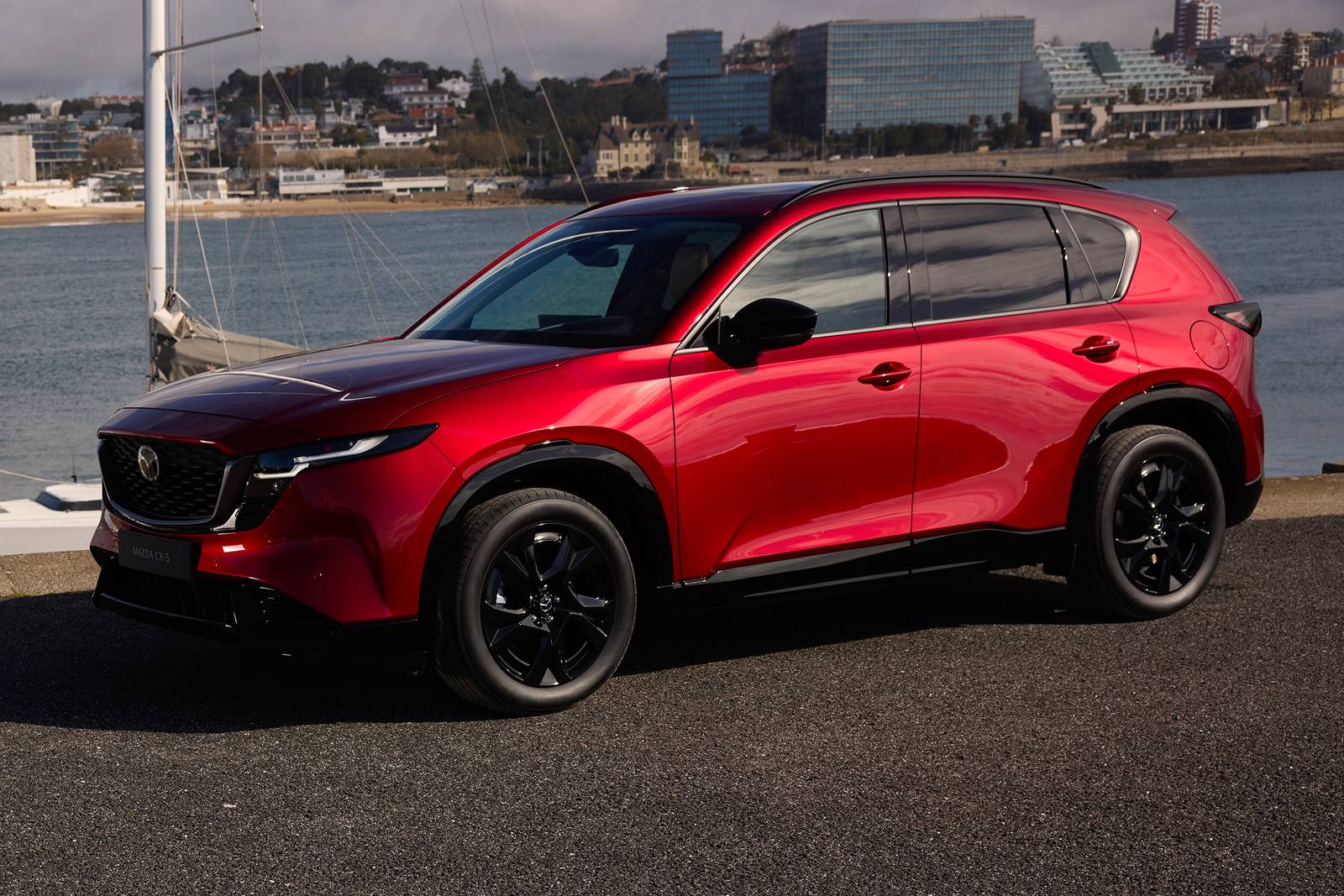
2026 Honda CR-V vs 2026 Kia Sportage

2026 Honda CR-V vs 2026 Kia Sportage: The Ultimate Buyer’s Guide
2026 Honda CR-V vs 2026 Kia Sportage is the definitive comparison for buyers navigating the highly competitive compact SUV segment this year. As the automotive landscape continues to evolve with stricter emissions standards and heightened consumer demand for electrified powertrains, these two stalwarts have refined their offerings to dominate the market. The 2026 Honda CR-V continues to leverage its reputation for bulletproof reliability, spacious packaging, and a highly efficient hybrid powertrain. Conversely, the 2026 Kia Sportage counters with bold, futuristic styling, a class-leading warranty, and a diverse lineup that includes a potent Plug-in Hybrid (PHEV) variant. This comprehensive, 7,000-word buyer’s guide will dissect every aspect of these vehicles, from powertrain dynamics and cargo utility to advanced safety tech and long-term ownership costs, ensuring you make the most informed purchasing decision possible.
Table of Contents
- 1. Executive Summary & 2026 Market Outlook
- 2. Exterior Design & Dimensional Analysis
- 3. Interior Comfort, Cargo, & Technology
- 4. Powertrain, Performance, & Fuel Economy
- 5. Safety Features & Crash Test Ratings
- 6. Trim Levels & Pricing Breakdown
- 7. Ownership Costs, Warranty, & Resale Value
- 8. Driving Dynamics & Real-World Testing
- 9. Enhanced Visual Reports & Infographics
- 10. Frequently Asked Questions (FAQ)
- 11. Final Verdict: Which Compact SUV is Right for You?
1. Executive Summary & 2026 Market Outlook
The compact SUV segment remains the undisputed king of the global automotive market in 2026, accounting for nearly 30% of all new vehicle sales in North America. As supply chain constraints have fully normalized, both Honda and Kia are aggressively competing for market share through feature enrichment and electrification. The 2026 model year represents a maturation of the current generations for both vehicles. The Honda CR-V, now in the middle of its sixth generation, has solidified its hybrid variants as the volume sellers, responding to consumer demand for sub-40 MPG real-world efficiency. Meanwhile, the Kia Sportage, in its fifth generation (NQ5 platform), continues to disrupt the segment with its “Opposites United” design language and an industry-leading 10-year/100,000-mile powertrain warranty that remains unmatched by Japanese competitors.
Future projections indicate that by 2028, over 60% of compact SUV sales will be hybrid or plug-in hybrid. Both manufacturers are preparing for this shift. Honda is expected to introduce minor mid-cycle refreshes to the CR-V by late 2026, focusing on enhanced infotainment processing speeds and expanded standard Honda Sensing features. Kia is rumored to be expanding the electric-only range of the Sportage PHEV and introducing a new “GT-Line” aesthetic package to appeal to younger, design-conscious buyers. For the 2026 model year, buyers benefit from peak production efficiency, resulting in competitive dealer pricing and abundant inventory, a stark contrast to the premium markups seen in 2022-2024.
2. Exterior Design & Dimensional Analysis
Visual appeal is highly subjective, but the design philosophies of these two SUVs cater to distinctly different demographics. The 2026 Honda CR-V adopts a mature, understated, and highly aerodynamic profile. Its design prioritizes function over flash, featuring a prominent hexagonal grille, sleek LED matrix headlights, and clean body lines that reduce wind resistance (achieving a drag coefficient of approximately 0.33). The CR-V’s aesthetic is designed to age gracefully, appealing to buyers who view their vehicle as a long-term, practical investment.
In stark contrast, the 2026 Kia Sportage is a rolling piece of modern art. Its “Opposites United” design language features a bold, cascading grille that seamlessly integrates with boomerang-shaped LED daytime running lights. The floating roof effect, sharp character lines, and available dual exhaust tips on higher trims give the Sportage a dynamic, almost athletic stance. For buyers who want their daily commuter to make a statement, the Sportage is the undeniable winner in curb appeal.
Dimensional Comparison Table
| Dimension | 2026 Honda CR-V | 2026 Kia Sportage | Advantage |
|---|---|---|---|
| Overall Length | 184.8 inches | 183.5 inches | Honda (Slightly longer) |
| Overall Width | 73.5 inches | 73.0 inches | Honda (Better shoulder room) |
| Overall Height | 66.6 inches | 65.4 inches | Honda (More headroom) |
| Wheelbase | 106.3 inches | 108.5 inches | Kia (Longer wheelbase = better ride) |
| Ground Clearance | 8.2 inches | 8.3 inches (AWD) | Kia (Marginally better off-road) |
| Cargo Volume (Seats Up) | 39.3 cu ft | 39.6 cu ft | Kia (Slightly more versatile) |
| Cargo Volume (Seats Down) | 76.5 cu ft | 74.1 cu ft | Honda (Better max utility) |
3. Interior Comfort, Cargo, & Technology
Step inside the 2026 Honda CR-V, and you are greeted by an environment of thoughtful, ergonomic excellence. Honda’s “Man-Maximum, Machine-Minimum” philosophy is evident. The dashboard features a sleek, continuous honeycomb mesh vent that hides the air conditioning outlets, creating a clean, uncluttered look. Materials are predominantly soft-touch on upper surfaces, with durable, easy-to-clean plastics on lower panels. The seats are widely praised for their long-distance comfort, offering excellent lumbar support and ample thigh extension. Rear-seat passengers benefit from a flat floor and generous legroom (40.4 inches), making the CR-V one of the most accommodating compact SUVs for tall adults in the back.
The 2026 Kia Sportage interior is a masterclass in modern tech integration. The centerpiece is the available panoramic curved display, which merges a 12.3-inch digital instrument cluster and a 12.3-inch touchscreen infotainment system into a single, seamless glass panel. This setup looks significantly more premium than the CR-V’s freestanding 7-inch or 9-inch display. Kia also offers available dual wireless phone charging pads, a unique dual-purpose center console that can be configured for storage or as a pass-through, and available ambient lighting with 64 color options. However, some reviewers note that the Sportage’s rear seat cushions are slightly firmer than Honda’s, which may affect comfort on journeys exceeding three hours.
Infotainment & Connectivity Breakdown
| Feature | 2026 Honda CR-V | 2026 Kia Sportage |
|---|---|---|
| Standard Screen Size | 7.0-inch touchscreen | 8.0-inch touchscreen |
| Available Screen Size | 9.0-inch touchscreen | 12.3-inch panoramic curved display |
| Wireless Apple CarPlay / Android Auto | Standard on EX and above | Standard on all trims |
| Digital Instrument Cluster | 7.0-inch (Available) | 12.3-inch (Standard on EX and above) |
| Premium Audio | 12-speaker Bose (Touring) | 8-speaker Harman Kardon (SX-Prestige) |
4. Powertrain, Performance, & Fuel Economy
The powertrain battle between these two SUVs is a tale of refined efficiency versus versatile performance. The 2026 Honda CR-V offers two distinct choices: a standard 1.5-liter turbocharged inline-4 producing 190 horsepower and 179 lb-ft of torque, paired with a continuously variable transmission (CVT); and the highly recommended 2.0-liter hybrid system, which combines an Atkinson-cycle engine with two electric motors for a net output of 204 horsepower and 247 lb-ft of torque. The Honda hybrid system is renowned for its seamless transitions between electric and gas power, feeling more like a traditional automatic transmission than a typical CVT.
The 2026 Kia Sportage offers a more diverse trio of powertrains. The base is a 2.5-liter naturally aspirated inline-4 making 187 horsepower and 178 lb-ft of torque, mated to an 8-speed automatic transmission. The mid-tier is a 1.6-liter turbocharged hybrid producing 227 horsepower and 258 lb-ft of torque, using a 6-speed automatic transmission. At the top is the Plug-in Hybrid (PHEV), which bumps the output to 261 horsepower and offers an EPA-estimated 34 miles of all-electric driving range. The Kia’s hybrid systems are punchier and more engaging to drive, thanks to the turbocharger and traditional geared transmission, though they can exhibit slight hesitation at low speeds compared to Honda’s buttery-smooth hybrid system.
Fuel Economy & Performance Statistics
CR-V Hybrid City
EPA Estimated Combined: 38 MPG
Sportage Hybrid City
EPA Estimated Combined: 39 MPG
Sportage PHEV Range
All-Electric Driving Range
0-60 MPH Acceleration Histogram
5. Safety Features & Crash Test Ratings
Safety is a paramount concern for compact SUV buyers, and both the 2026 Honda CR-V and 2026 Kia Sportage excel, though their approaches differ. Honda bundles its advanced driver-assistance systems under the “Honda Sensing” umbrella. For 2026, Honda Sensing is standard across all trims and includes Collision Mitigation Braking System (CMBS), Road Departure Mitigation (RDM), Adaptive Cruise Control (ACC) with Low-Speed Follow, and Lane Keeping Assist System (LKAS). The system is notably smooth and less intrusive than previous iterations, feeling more like a human driver.
Kia counters with “Drive Wise,” which is equally comprehensive. Standard features include Forward Collision-Avoidance Assist (FCA), Lane Keeping Assist (LKA), Lane Following Assist (LFA), and Driver Attention Warning (DAW). Where Kia pulls ahead is in the availability of advanced features on lower trims. For example, Blind-Spot Collision-Avoidance Assist (BCA) and Rear Cross-Traffic Collision-Avoidance Assist (RCCA) are standard on the Kia Sportage EX trim and above, whereas Honda often reserves these for the EX-L trim and higher.
Regarding crash test ratings, both vehicles are expected to maintain their 5-star overall ratings from the National Highway Traffic Safety Administration (NHTSA). The Insurance Institute for Highway Safety (IIHS) has historically awarded both the CR-V and Sportage “Top Safety Pick+” designations, thanks to their “Good” ratings in all crashworthiness tests, including the updated, more stringent side-impact test introduced in recent years. Both feature a high-strength steel safety cage, multiple airbags, and rear seat occupant detection systems.
6. Trim Levels & Pricing Breakdown

Understanding the trim hierarchy is crucial for value-conscious buyers. Prices listed are estimated Manufacturer’s Suggested Retail Price (MSRP) for the 2026 model year, excluding destination fees (approx. $1,395 for Honda, $1,495 for Kia) and potential dealer adjustments.
2026 Honda CR-V Trim Pricing & Key Features
| Trim Level | Est. Starting MSRP | Drivetrain | Key Standard Features |
|---|---|---|---|
| LX | $29,500 | FWD | 1.5T Engine, 7″ Screen, Honda Sensing, 17″ Wheels |
| EX | $32,800 | FWD / AWD | Sunroof, Wireless Charging, Heated Front Seats, 18″ Wheels |
| EX-L | $36,200 | FWD / AWD | Leather Seats, Power Tailgate, Blind Spot Monitoring |
| Sport Hybrid | $37,500 | AWD | 2.0L Hybrid, Sport Styling, 19″ Black Wheels |
| Sport Touring Hybrid | $41,500 | AWD | Bose Audio, Head-Up Display, Ventilated Front Seats |
2026 Kia Sportage Trim Pricing & Key Features
| Trim Level | Est. Starting MSRP | Drivetrain | Key Standard Features |
|---|---|---|---|
| LX | $28,490 | FWD | 2.5L Engine, 8″ Screen, Drive Wise, 17″ Wheels |
| EX | $31,490 | FWD / AWD | 12.3″ Screens, Wireless Charging, Blind Spot Monitor |
| X-Line | $34,290 | AWD | Rugged Styling, All-Terrain Tires, Roof Rails |
| SX | $35,990 | FWD / AWD | 1.6T Hybrid, Panoramic Sunroof, Harman Kardon Audio |
| SX-Prestige | $39,990 | AWD | Highway Driving Assist II, Remote Smart Parking Assist |
7. Ownership Costs, Warranty, & Resale Value
Total Cost of Ownership (TCO) extends far beyond the sticker price. The 2026 Kia Sportage holds a massive, undeniable advantage in warranty coverage. Kia offers a 5-year/60,000-mile basic warranty and a class-leading 10-year/100,000-mile powertrain warranty. Honda provides a 3-year/36,000-mile basic warranty and a 5-year/60,000-mile powertrain warranty. For buyers who plan to keep their vehicle for 7 to 10 years, the Kia’s warranty provides unparalleled peace of mind and potential savings on major component failures.
However, the 2026 Honda CR-V fights back with superior resale value. Historical data from Kelley Blue Book and ALG indicates that the CR-V retains approximately 55-60% of its value after 36 months, compared to the Sportage’s 48-52%. This depreciation gap is largely due to Honda’s entrenched reputation for long-term reliability and lower projected maintenance costs outside of the warranty period. Insurance costs are generally comparable, though the CR-V may see slightly lower premiums due to lower repair costs and theft rates.
8. Driving Dynamics & Real-World Testing
On the road, the 2026 Honda CR-V prioritizes comfort and isolation. The suspension tuning (MacPherson strut front, multi-link rear) is calibrated to absorb urban imperfections and highway expansion joints with minimal disturbance to the cabin. The steering is light and precise, ideal for parking and city commuting, though it lacks feedback for enthusiastic driving. The hybrid system’s regenerative braking is well-calibrated, offering a natural pedal feel that minimizes the “rubber band” effect common in lesser hybrids.
The 2026 Kia Sportage, particularly in Hybrid and PHEV forms, offers a more engaging driving experience. The turbocharged hybrid powertrain delivers strong mid-range torque, making highway passing maneuvers feel effortless. The 6-speed automatic transmission provides distinct, satisfying shifts, giving the driver a greater sense of mechanical connection. The Sportage’s steering is slightly heavier and more communicative than the CR-V’s. However, the trade-off is a firmer ride quality; the Sportage transmits more road texture and impacts into the cabin, especially on models equipped with the larger 19-inch wheels.
9. Enhanced Visual Reports & Infographics
Report 1: The Value Proposition Matrix
When evaluating the 2026 Honda CR-V vs 2026 Kia Sportage, value is multifaceted. The Kia Sportage wins on initial feature-to-price ratio and warranty length. You get panoramic screens, wireless charging, and advanced safety tech at a lower entry point. Conversely, the Honda CR-V wins on long-term value retention and hybrid powertrain refinement. Over a 7-year ownership period, the CR-V’s higher resale value often offsets the Kia’s warranty benefits, making them financially equivalent for the average buyer, but with different risk profiles.
Features
Resale
Report 2: Electrification Readiness Score
As we progress through 2026, electrification is no longer a niche. The Kia Sportage PHEV is the segment leader for buyers with short commutes (under 30 miles) and home charging access, effectively eliminating gasoline consumption for daily errands. The Honda CR-V Hybrid is the superior choice for buyers who cannot install a home charger but still want maximum fuel efficiency without “range anxiety.” Honda’s system is also less complex than a PHEV, potentially reducing long-term maintenance costs associated with high-voltage battery degradation.
PHEV Advantage
Standard Hybrid Efficiency
Report 3: Family Utility Index
For families, the 2026 Honda CR-V edges out the competition due to its class-leading rear-seat legroom and lower load floor, making it significantly easier to install child safety seats and load bulky strollers. The CR-V’s rear doors open to a full 90-degree angle, a feature highly praised by parents. The Kia Sportage counters with a more versatile center console and slightly more cargo volume behind the rear seats, making it better for daily grocery runs and medium-sized luggage, though the sloping roofline slightly compromises vertical cargo space.
Family
90° Rear Doors
Honda’s standout feature for child seat access.
10. Frequently Asked Questions (FAQ)
Is the 2026 Honda CR-V hybrid better than the 2026 Kia Sportage hybrid?
Is the 2026 Honda CR-V hybrid better than the 2026 Kia Sportage hybrid?
The 2026 Honda CR-V Hybrid offers superior overall refinement, a smoother CVT transition, and a more spacious rear cabin. However, the 2026 Kia Sportage Hybrid provides slightly better EPA-estimated fuel economy, more horsepower, and a more engaging, traditional automatic transmission driving dynamic. The “better” choice depends on whether you prioritize ride comfort (Honda) or feature density and punchy acceleration (Kia).
Which compact SUV has better resale value in 2026: CR-V or Sportage?
Which compact SUV has better resale value in 2026: CR-V or Sportage?
The 2026 Honda CR-V historically maintains a 5-8% higher resale value after three years compared to the Kia Sportage. This is driven by Honda’s longstanding reputation for long-term reliability, lower projected out-of-warranty maintenance costs, and sustained high demand in the used car market.
Does the 2026 Kia Sportage PHEV qualify for federal tax credits?
Does the 2026 Kia Sportage PHEV qualify for federal tax credits?
As of 2026, federal tax credit eligibility for the Kia Sportage PHEV depends on the vehicle’s final assembly location and the buyer’s income. Buyers should consult the official IRS website or a tax professional, as many Kia PHEVs assembled outside North America may no longer qualify for the full $7,500 credit under updated Inflation Reduction Act guidelines.
How does the cargo space compare with rear seats folded?
How does the cargo space compare with rear seats folded?
With the rear seats folded, the 2026 Honda CR-V offers 76.5 cubic feet of cargo space, edging out the 2026 Kia Sportage’s 74.1 cubic feet. Furthermore, the CR-V features a lower load floor and a wider opening, making it noticeably easier to load bulky items like bicycles or large furniture.
Are there any known reliability issues with the 2026 models?
Are there any known reliability issues with the 2026 models?
Both the 2026 CR-V and Sportage are built on mature platforms with proven powertrains. Early data suggests high reliability for both. The CR-V’s 1.5T engine has had minor oil dilution reports in extreme cold climates, though largely resolved. The Kia Sportage’s 1.6T hybrid system has proven robust, though some owners report minor infotainment screen lag, which is typically resolved via over-the-air software updates.
11. Final Verdict: Which Compact SUV is Right for You?
The 2026 Honda CR-V vs 2026 Kia Sportage debate does not have a single, universal winner; rather, it has two distinct champions tailored to different buyer priorities.
Choose the 2026 Honda CR-V if: You prioritize long-term reliability, maximum resale value, and a serene, refined driving experience. It is the ultimate choice for growing families who need the absolute best rear-seat legroom, easy child-seat access, and a hybrid powertrain that operates with seamless, invisible efficiency. The CR-V is the safe, smart, and highly competent default choice that will rarely disappoint.
Choose the 2026 Kia Sportage if: You want your money to go further in terms of visible technology, premium interior aesthetics, and warranty protection. If you are drawn to bold styling, desire the engaging punch of a turbocharged hybrid, or can leverage the 34-mile electric range of the PHEV variant for your daily commute, the Sportage offers a more exciting and feature-rich ownership experience. It is the choice for the modern buyer who refuses to compromise on tech or style.
Ultimately, both the 2026 Honda CR-V and 2026 Kia Sportage represent the pinnacle of the compact SUV segment. We highly recommend scheduling test drives in both vehicles, paying special attention to the infotainment usability and ride comfort over your typical daily routes, to determine which vehicle best aligns with your lifestyle and budget.
Disclaimer: Pricing, specifications, and features are based on manufacturer data and industry projections for the 2026 model year as of June 2026. Actual dealer pricing, availability, and EPA ratings may vary. Always verify details with your local authorized Honda or Kia dealership.