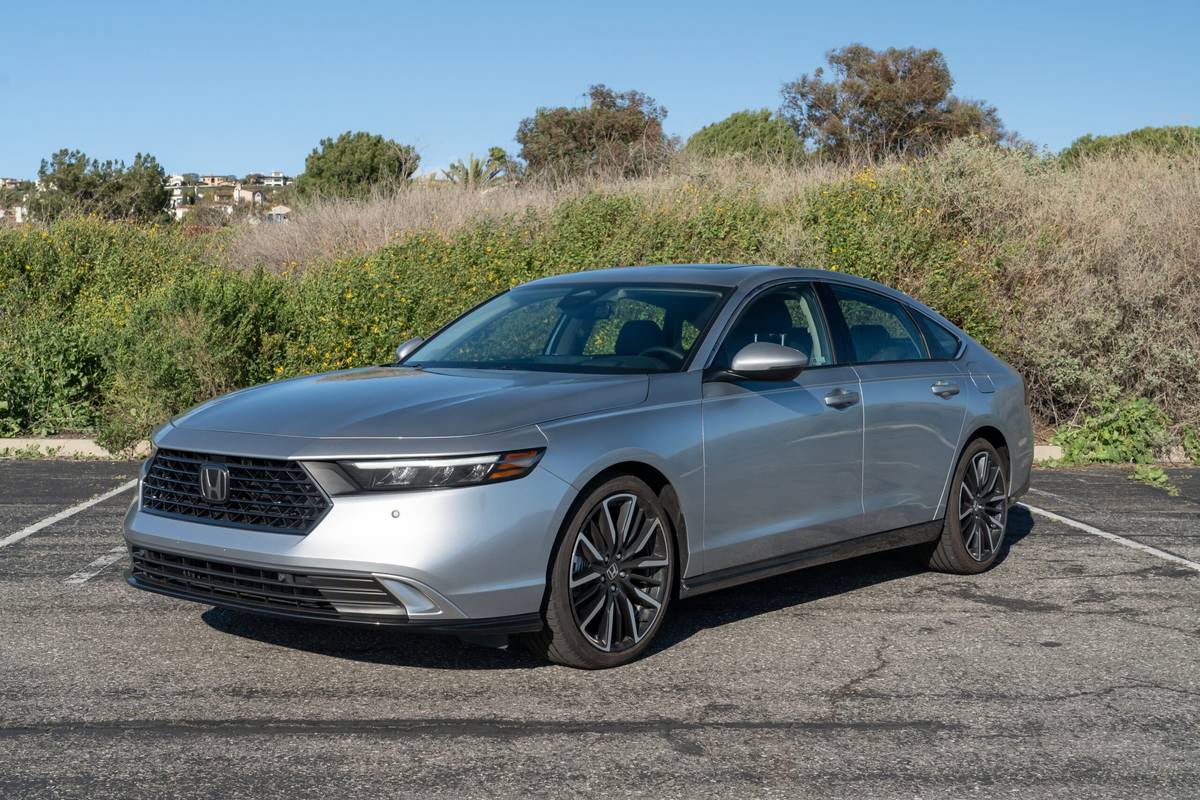
2026 Hyundai Sonata vs 2025 Subaru Legacy

The 2026 Hyundai Sonata vs 2025 Subaru Legacy is one of the most searched comparisons among midsize sedan shoppers in 2026, and for good reason. As the automotive landscape continues to shift toward crossovers and SUVs, two stalwarts of the sedan segment remain relevant for buyers who value efficiency, comfort, and value. The 2026 Hyundai Sonata enters the model year with refined styling, updated trim structures, and a compelling hybrid option, while the 2025 Subaru Legacy bows out as the final model year of a 36-year legacy, offering standard all-wheel drive and a turbocharged engine option that few rivals can match.
This comprehensive buyer guide breaks down every critical factor you need to evaluate before choosing between these two midsize sedans. From pricing and performance to safety ratings and resale value, we cover the specifications, features, and real-world considerations that matter most. Whether you are a daily commuter, a growing family, or a value-conscious shopper looking for the last new Subaru Legacy ever built, this guide provides the data-driven insights you need to make an informed decision.
Table of Contents
- Overview and Segment Positioning
- 2026 Hyundai Sonata: What Is New and What Stays
- 2025 Subaru Legacy: The Final Chapter
- Price Comparison and Trim Levels
- Engine Options and Performance
- Fuel Economy and Efficiency
- All-Wheel Drive vs Front-Wheel Drive
- Interior Space and Comfort
- Technology and Infotainment
- Safety Ratings and Driver Assistance
- Reliability and Warranty Coverage
- Resale Value and Ownership Costs
- Which Sedan Should You Buy?
- Frequently Asked Questions
1. Overview and Segment Positioning
The midsize sedan segment in 2026 is more competitive than ever, even as consumer preferences drift toward SUVs. The 2026 Hyundai Sonata and 2025 Subaru Legacy represent two distinct philosophies within this shrinking but vital category. Hyundai approaches the segment with bold design, hybrid efficiency, and a feature-rich value proposition. Subaru, meanwhile, has built the Legacy around practicality, safety, and the confidence of standard symmetrical all-wheel drive.
According to Kelley Blue Book, the 2025 Subaru Legacy remains the only midsize sedan with standard all-wheel drive across its entire lineup, a distinction that has defined the model for decades. However, Subaru has confirmed that 2025 marks the end of the road for the Legacy nameplate after 36 years and more than 1.3 million sales. This makes the 2025 Legacy a unique proposition for buyers who want a piece of automotive history or who prioritize all-weather capability in a traditional sedan package.
The 2026 Hyundai Sonata, by contrast, is a carryover model following its significant 2024 refresh. Hyundai has streamlined the trim lineup for 2026, replacing the SEL and SEL Convenience trims with a new SEL Sport variant and introducing a base Blue Hybrid trim to make electrification more accessible. With three distinct powertrains, available all-wheel drive on select trims, and a design language that turns heads, the Sonata continues to punch above its weight in a segment dominated by the Toyota Camry and Honda Accord.
2. 2026 Hyundai Sonata: What Is New and What Stays
The 2026 Hyundai Sonata builds on the dramatic redesign introduced for the 2024 model year. Hyundai describes the 2026 Sonata as a carryover model, but several meaningful changes improve its competitiveness. The most significant update is the restructuring of the trim lineup. The SEL and SEL Convenience trims have been discontinued and replaced by the new SEL Sport, which is available in both front-wheel drive and all-wheel drive configurations. This new trim bridges the gap between the entry-level SE and the premium Limited, offering 18-inch alloy wheels, a leather-wrapped steering wheel, wireless device charging, built-in navigation, and a panoramic sunroof as standard equipment.
On the hybrid side, Hyundai has introduced a new Blue Hybrid base trim, making the Sonata Hybrid more accessible to budget-conscious buyers who prioritize fuel economy. The SEL Hybrid trim now includes a panoramic sunroof, previously reserved for the Limited Hybrid. These changes reflect Hyundai’s strategy to make hybrid technology more mainstream while maintaining the Sonata’s reputation for value and technology leadership.
Powertrain options remain unchanged for 2026. The standard engine is a 2.5-liter inline-four producing 191 horsepower and 181 lb-ft of torque, paired with an eight-speed automatic transmission. The Sonata Hybrid combines a 2.0-liter four-cylinder with an electric motor for a combined 192 horsepower and exceptional fuel economy. For enthusiasts, the N Line trim continues to offer a turbocharged 2.5-liter four-cylinder delivering 290 horsepower and 311 lb-ft of torque through an eight-speed dual-clutch automatic transmission. Car and Driver testing recorded a 0-60 mph time of just 5.4 seconds for the N Line, making it one of the quickest front-wheel-drive sedans on the market.
3. 2025 Subaru Legacy: The Final Chapter
The 2025 Subaru Legacy represents the swan song for one of the most enduring nameplates in the Subaru lineup. After 36 years of continuous production, Subaru has confirmed that the Legacy will be discontinued after the 2025 model year. This decision reflects broader industry trends as consumers increasingly favor SUVs and crossovers over traditional sedans. The Subaru Outback, which originally began as a variant of the Legacy, now outsells its sedan sibling by more than five to one.
For 2025, Subaru made minimal changes to the Legacy, focusing primarily on the range-topping Limited trim. New standard features for the Limited include a power moonroof, heated steering wheel, and navigation system. These additions enhance the perceived value of the top trim as Subaru clears inventory ahead of the model’s discontinuation. The Legacy continues to be offered in five trim levels: Base, Premium, Limited, Sport, and Touring XT.
Every 2025 Legacy comes standard with Subaru’s symmetrical all-wheel-drive system and the EyeSight Driver Assist Technology suite. The base engine is a 2.5-liter horizontally opposed four-cylinder producing 182 horsepower and 176 lb-ft of torque. For buyers seeking more performance, the Sport and Touring XT trims feature a turbocharged 2.4-liter boxer-four engine delivering 260 horsepower and 277 lb-ft of torque. Both engines are paired with a continuously variable automatic transmission (CVT) featuring an eight-speed manual mode.
Edmunds notes that the Legacy’s discontinuation could create opportunities for buyers to secure favorable deals, as dealers may be motivated to move remaining inventory. However, prospective buyers should also consider the implications of purchasing a discontinued model, including potential impacts on resale value and parts availability down the road.
4. Price Comparison and Trim Levels
Pricing is often the deciding factor for midsize sedan buyers, and both the 2026 Hyundai Sonata and 2025 Subaru Legacy offer competitive entry points with vastly different value equations. Understanding the trim structure and what each level includes is essential for making an apples-to-apples comparison.
2026 Hyundai Sonata Pricing and Trims
| Trim | Starting MSRP | Key Features |
|---|---|---|
| SE | ~$28,000 | 16-inch wheels, 12.3-inch touchscreen, LED lighting, cloth seats, comprehensive safety suite |
| SEL Sport (FWD) | ~$30,500 | 18-inch wheels, leather-wrapped steering wheel, wireless charging, panoramic sunroof, built-in navigation, 12.3-inch digital cluster |
| SEL Sport (AWD) | ~$32,000 | All-wheel drive added to SEL Sport features |
| Limited | ~$35,500 | Leather seating, ventilated front seats, Bose audio, ambient lighting, highway driving assist |
| N Line | ~$38,000 | 290-hp turbo engine, sport-tuned suspension, dual-clutch transmission, unique styling |
| Blue Hybrid | ~$29,500 | Base hybrid with maximum fuel economy focus |
| SEL Hybrid | ~$32,500 | Mid-level hybrid with panoramic sunroof, premium features |
| Limited Hybrid | ~$37,500 | Top hybrid with all premium features, remote smart parking assist |
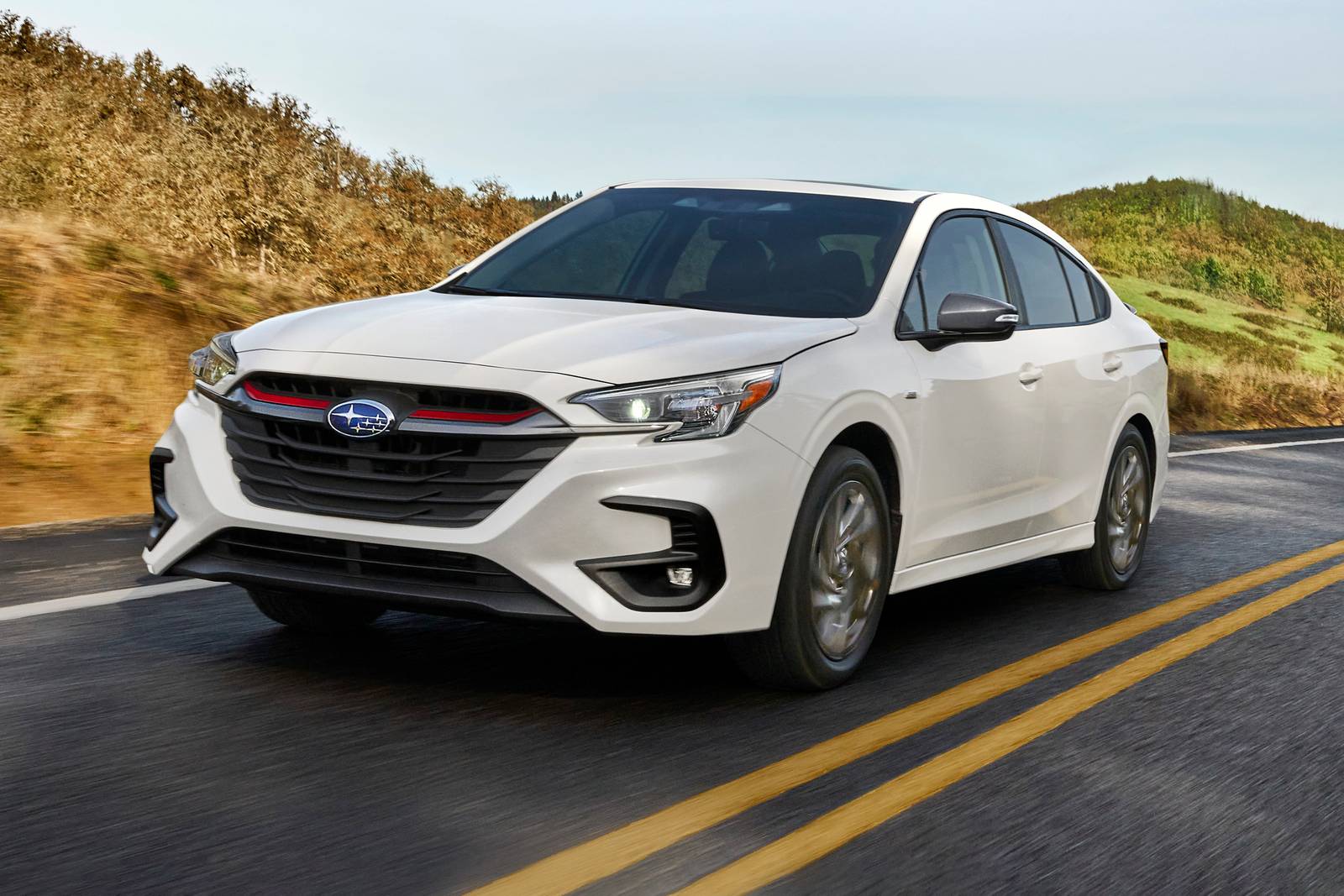
2025 Subaru Legacy Pricing and Trims
| Trim | Starting MSRP | Key Features |
|---|---|---|
| Base | $25,010 | 17-inch wheels, dual 7-inch displays, cloth seats, EyeSight safety suite, standard AWD |
| Premium | $27,310 | 11.6-inch touchscreen, heated front seats, power driver’s seat, wireless smartphone integration, dual-zone climate |
| Limited | $34,120 | Leather upholstery, Harman Kardon audio, heated steering wheel, sunroof, navigation, heated rear seats |
| Sport | $34,610 | 260-hp turbo engine, sport-tuned suspension, 18-inch gray wheels, unique exterior trim |
| Touring XT | $38,310 | All features plus ventilated front seats, Nappa leather, front-view camera, power-folding mirrors |
At first glance, the Subaru Legacy appears to offer a lower entry price, with the Base trim starting at approximately $25,010 compared to the Sonata SE at around $28,000. However, the Legacy Base trim is notably spartan, featuring manually adjustable cloth seats, a basic four-speaker audio system, and dual 7-inch displays rather than a single large touchscreen. The Sonata SE, while more expensive, includes a standard 12.3-inch touchscreen, more comprehensive safety technology, and a more modern interior design.
When comparing similarly equipped mid-level trims, the gap narrows significantly. The Legacy Premium at $27,310 competes closely with the Sonata SEL Sport, though the Hyundai offers more technology and convenience features for a slightly higher price. At the top of the range, the Legacy Touring XT at $38,310 and the Sonata N Line at approximately $38,000 are priced almost identically, though they cater to different buyer priorities, with Subaru emphasizing luxury and all-weather capability while Hyundai focuses on performance.
5. Engine Options and Performance
Performance characteristics diverge significantly between these two sedans, reflecting their different engineering philosophies. The 2026 Hyundai Sonata offers three distinct powertrains, each tailored to a specific type of driver, while the 2025 Subaru Legacy provides two horizontally opposed boxer engines, both paired with all-wheel drive.
Hyundai Sonata Powertrains
- 2.5-liter inline-four (Standard): 191 horsepower, 181 lb-ft of torque, 8-speed automatic, front-wheel drive standard, all-wheel drive available
- 2.0-liter hybrid four-cylinder: 192 combined horsepower, 6-speed automatic, front-wheel drive only
- 2.5-liter turbocharged inline-four (N Line): 290 horsepower, 311 lb-ft of torque, 8-speed dual-clutch automatic, front-wheel drive
Subaru Legacy Powertrains
- 2.5-liter boxer four-cylinder (Base, Premium, Limited): 182 horsepower, 176 lb-ft of torque, CVT with 8-speed manual mode, standard all-wheel drive
- 2.4-liter turbocharged boxer four-cylinder (Sport, Touring XT): 260 horsepower, 277 lb-ft of torque, CVT with 8-speed manual mode, standard all-wheel drive
On paper, the Sonata N Line is the clear performance champion, with its 290 horsepower enabling a 0-60 mph sprint of just 5.4 seconds according to Car and Driver testing. The Legacy’s turbocharged engine is no slouch, however, delivering robust acceleration and a substantial 40 percent power increase over the base engine. Edmunds testing showed the base Legacy accelerating from 0-60 mph in 8.5 seconds, which is adequate but unremarkable for the segment.
Where the Legacy distinguishes itself is in driving dynamics during inclement weather. The standard symmetrical all-wheel-drive system provides superior traction on wet, snowy, or gravel surfaces compared to the front-wheel-drive Sonata. While Hyundai does offer all-wheel drive on the SEL Sport trim, it is not available with the hybrid or N Line powertrains, limiting its appeal for buyers in northern climates.
The Sonata’s use of conventional automatic transmissions, rather than the CVT found in the Legacy, may appeal to driving enthusiasts who prefer the feel of discrete gear changes. MotorTrend notes that the Sonata’s base engine can feel wheezy during highway passing or hill climbing, a criticism also leveled at the Legacy’s base engine by Edmunds. Both vehicles benefit significantly from their respective turbocharged upgrades.
6. Fuel Economy and Efficiency
Fuel economy is a critical consideration for midsize sedan buyers, and this is where the 2026 Hyundai Sonata, particularly in hybrid form, establishes a decisive advantage over the 2025 Subaru Legacy.
| Model / Powertrain | City MPG | Highway MPG | Combined MPG |
|---|---|---|---|
| Hyundai Sonata 2.5L (FWD) | ~25 | ~36 | ~29 |
| Hyundai Sonata 2.5L (AWD) | ~24 | ~33 | ~27 |
| Hyundai Sonata Hybrid | ~50 | ~54 | ~52 |
| Hyundai Sonata N Line | ~20 | ~29 | ~23 |
| Subaru Legacy 2.5L | 27 | 35 | 30 |
| Subaru Legacy 2.4L Turbo | 23 | 31 | 26 |
The Sonata Hybrid’s EPA-estimated 52 mpg combined represents a massive 22 mpg advantage over the base Legacy and a 26 mpg advantage over the turbocharged Legacy. For commuters who drive 15,000 miles annually, the hybrid Sonata could save approximately $1,000 per year in fuel costs compared to the Legacy, based on current average fuel prices. Even the non-hybrid Sonata with front-wheel drive achieves comparable fuel economy to the Legacy, despite the Subaru’s efficiency-focused CVT and lighter weight.
It is worth noting that the Legacy’s fuel economy is commendable, given that every trim includes all-wheel drive. When compared to all-wheel-drive versions of the Sonata or other competitors like the Toyota Camry AWD, the Legacy’s 30 mpg combined is competitive. However, Subaru’s decision not to offer a hybrid powertrain in the Legacy, even as a final-year special, leaves a significant gap in its portfolio for efficiency-minded buyers.
7. All-Wheel Drive vs Front-Wheel Drive
The drivetrain configuration represents one of the most significant differences between these two vehicles and often serves as the primary deciding factor for buyers in certain geographic regions.
The 2025 Subaru Legacy’s claim to fame is its standard symmetrical all-wheel-drive system, which has been a Subaru hallmark for decades. This full-time AWD system continuously distributes power to all four wheels, providing enhanced traction on snow, ice, rain-soaked pavement, and gravel roads. For buyers in the Northeast, Midwest, Mountain West, or Pacific Northwest, this feature alone often justifies the Legacy’s place on the shopping list. Kelley Blue Book emphasizes that the Legacy is the only midsize sedan to offer AWD as standard equipment across every trim level, a unique selling proposition that no competitor, including the Sonata, can match.
The 2026 Hyundai Sonata, by default, is a front-wheel-drive vehicle. Hyundai offers all-wheel drive as an option on the SEL Sport trim, but it is unavailable on the SE, Limited, N Line, and all hybrid variants. This means that buyers who want the Sonata’s excellent hybrid fuel economy or the N Line’s thrilling performance must accept front-wheel drive. For drivers in mild climates, this is a non-issue. For those who regularly encounter winter weather, it represents a meaningful compromise.
That said, modern front-wheel-drive vehicles with quality all-season tires and electronic stability control handle winter conditions far better than their predecessors. The Sonata’s available AWD on the SEL Sport provides a middle ground for buyers who want both Hyundai’s technology and all-weather capability, though they must sacrifice the hybrid or N Line powertrains to get it.
8. Interior Space and Comfort
Both the Sonata and Legacy prioritize passenger comfort and interior space, but they achieve their goals through different means. The Sonata leans into modern design and technology, while the Legacy focuses on straightforward practicality and visibility.
Passenger Space Comparison
| Dimension | 2026 Hyundai Sonata | 2025 Subaru Legacy |
|---|---|---|
| Front Headroom | ~40.0 inches | ~39.4 inches |
| Front Legroom | ~46.1 inches | ~42.8 inches |
| Rear Headroom | ~38.4 inches | ~37.2 inches |
| Rear Legroom | ~34.8 inches | ~39.5 inches |
| Trunk Capacity | 16.0 cubic feet | 15.1 cubic feet |
The Sonata offers superior front legroom, making it an excellent choice for tall drivers or those who prefer a more stretched-out seating position. However, the Legacy counters with significantly more rear legroom, nearly 39.5 inches compared to the Sonata’s approximately 34.8 inches. For families who regularly transport adults in the back seat, the Legacy’s rear accommodations are notably more generous. Only the Honda Accord offers more rear legroom than the Legacy in this segment.
Trunk capacity favors the Sonata, with 16.0 cubic feet compared to the Legacy’s 15.1 cubic feet. Both sedans offer 60/40 split-folding rear seats to accommodate larger cargo. Edmunds notes that the Legacy’s trunk is deep and tall, making it practical for bulky items despite its slightly smaller volume.
Interior quality and design represent a clear win for the Hyundai. The Sonata’s cabin features a sleek, horizontal dashboard design dominated by dual 12.3-inch displays on higher trims, premium materials, and ambient lighting. The Legacy’s interior, while comfortable and functional, has been criticized for looking anonymous and relying too heavily on its large touchscreen for controls. Edmunds describes the Legacy’s design as clean but notes that the materials mix, while above average, does not convey the refinement found in newer competitors.
9. Technology and Infotainment
Technology integration is increasingly important to car buyers, and both manufacturers have invested heavily in their respective infotainment and connectivity suites. However, the execution and user experience differ substantially.
The 2026 Hyundai Sonata comes standard with a 12.3-inch touchscreen infotainment display across all trims, a significant advantage over the Legacy’s base dual 7-inch setup. Wireless Apple CarPlay and Android Auto are standard on all Sonata trims, while the Legacy reserves wireless connectivity for the Premium and above. Higher Sonata trims add a 12.3-inch digital instrument cluster, creating a seamless dual-screen experience that rivals luxury vehicles. The N Line and Limited trims offer a Bose 12-speaker premium audio system, while the Limited Hybrid includes advanced features like Remote Smart Parking Assist and a Blind-Spot View Monitor.
The 2025 Subaru Legacy’s technology story is more mixed. The base trim’s dual 7-inch displays feel dated in 2026, though the Premium and above upgrade to an 11.6-inch vertical touchscreen. This large screen has drawn criticism from reviewers for its slow response times, steep learning curve, and overreliance on touch controls for basic functions. Edmunds reports that the infotainment system suffered from frequent crashes during testing, and the voice control system was largely ineffectual. On the positive side, the available 12-speaker Harman Kardon audio system in the Limited and Touring XT delivers excellent sound quality.
Both vehicles offer comprehensive smartphone integration, multiple USB ports, and available Wi-Fi hotspots. Hyundai’s Blue Link connected services and Subaru’s Starlink system both provide remote start, vehicle status monitoring, and emergency assistance. For tech-savvy buyers who prioritize a responsive, intuitive interface, the Sonata holds a clear advantage.
10. Safety Ratings and Driver Assistance
Safety is a paramount concern for family sedan buyers, and both the 2026 Hyundai Sonata and 2025 Subaru Legacy deliver comprehensive protection. Both vehicles have earned top marks from major safety organizations, though their approaches to driver assistance technology differ slightly.
The 2025 Subaru Legacy received a five-star overall safety rating from the National Highway Traffic Safety Administration (NHTSA) and top ratings of Good in all tested categories from the Insurance Institute for Highway Safety (IIHS). Every Legacy comes standard with Subaru’s EyeSight Driver Assist Technology, which includes advanced adaptive cruise control with lane centering, pre-collision braking, lane departure warning, and sway warning. Higher trims add features like blind-spot detection, rear cross-traffic alert, reverse automatic braking, and a driver distraction mitigation system.
The 2026 Hyundai Sonata similarly offers a robust suite of standard safety features, including forward collision-avoidance assist, lane keeping assist, lane following assist, blind-spot collision warning, rear cross-traffic collision-avoidance assist, and smart cruise control with stop-and-go capability. Highway Driving Assist is available on the N Line and Limited Hybrid, providing semi-autonomous driving capabilities on the highway. Hyundai’s safety suite is comprehensive and standard across all trims, matching Subaru’s commitment to making advanced safety technology accessible.
Edmunds notes that while the Legacy’s EyeSight system is comprehensive, some features can be overly sensitive. The forward collision warning system may trigger alerts during gradual stops, and the adaptive cruise control can react too quickly to changing traffic situations. Similarly, some reviewers have found Hyundai’s lane-keeping assist to be overly aggressive in certain situations. These are minor quibbles, however, and both vehicles represent the safest options in the midsize sedan segment.
11. Reliability and Warranty Coverage
Long-term reliability and warranty protection are crucial factors in the total cost of ownership. Both Hyundai and Subaru have established reputations for building durable vehicles, but their warranty programs differ significantly.
Hyundai offers one of the best warranty packages in the industry. The 2026 Sonata comes with a five-year/60,000-mile basic warranty and a 10-year/100,000-mile powertrain warranty. Additionally, Hyundai provides five years of complimentary roadside assistance and three years of complimentary scheduled maintenance. This industry-leading coverage reflects Hyundai’s confidence in its product and provides substantial peace of mind for buyers.
Subaru’s warranty coverage for the 2025 Legacy is more typical of the segment, offering a three-year/36,000-mile basic warranty and a five-year/60,000-mile powertrain warranty. Roadside assistance is included for three years or 36,000 miles. While adequate, this coverage is notably less generous than Hyundai’s offering, especially considering the Legacy’s status as a discontinued model.
From a reliability standpoint, both brands generally score well in consumer satisfaction surveys. Subaru’s boxer engines and all-wheel-drive systems have proven durable over many years, though some owners have reported issues with the CVT transmission and infotainment system glitches. Hyundai has made significant strides in reliability over the past decade, and the Sonata’s conventional automatic transmissions may appeal to buyers who are wary of CVT longevity.
12. Resale Value and Ownership Costs
Understanding the total cost of ownership requires looking beyond the purchase price to factors like depreciation, fuel costs, insurance, maintenance, and resale value.
Kelley Blue Book indicates that the Subaru Legacy’s resale value is about average for the midsize sedan segment. However, the model’s discontinuation after 2025 introduces uncertainty into future resale values. While the final-year status may appeal to collectors or enthusiasts, mainstream buyers may be hesitant to purchase a discontinued model, potentially accelerating depreciation. On the flip side, the scarcity of new Legacy models could support values for well-maintained examples in the short term.
The Hyundai Sonata typically experiences depreciation consistent with other mainstream midsize sedans, though its strong warranty and hybrid options may help support values. The Sonata Hybrid, in particular, may hold its value better as fuel prices fluctuate and consumer interest in electrification grows.
Insurance costs for both vehicles should be comparable, as midsize sedans generally fall into similar risk categories. Maintenance costs may be slightly higher for the Legacy over time due to the complexity of its all-wheel-drive system, while the Sonata’s longer complimentary maintenance period reduces out-of-pocket expenses in the first three years.
13. Which Sedan Should You Buy?
Choosing between the 2026 Hyundai Sonata and the 2025 Subaru Legacy ultimately depends on your priorities, driving environment, and lifestyle needs. Here is a breakdown of which vehicle excels in specific scenarios.
Buy the 2026 Hyundai Sonata If:
- You prioritize fuel efficiency and want the option of a 52-mpg hybrid powertrain
- You value cutting-edge technology, a modern interior design, and a large standard touchscreen
- You want the peace of mind provided by Hyundai’s 10-year/100,000-mile powertrain warranty
- You prefer the availability of a high-performance turbocharged engine (N Line) with sub-6-second 0-60 acceleration
- You live in a mild climate where front-wheel drive is sufficient, or you can opt for AWD on the SEL Sport
- You want complimentary scheduled maintenance for the first three years
Buy the 2025 Subaru Legacy If:
- You require standard all-wheel drive for winter weather, rural roads, or mountainous terrain
- You need maximum rear-seat legroom for adult passengers
- You want to own the final model year of a 36-year automotive legacy
- You prefer the smooth, distinctive character of a horizontally opposed boxer engine
- You can secure a favorable deal as dealers clear the final inventory
- You value Subaru’s reputation for safety and all-weather capability over cutting-edge interior design
For the average buyer in 2026, the Hyundai Sonata offers a more compelling overall package. Its superior fuel economy, especially in hybrid form, addresses one of the most pressing concerns for sedan buyers. The technology advantage is substantial, with a more responsive infotainment system and more generous standard features. The warranty coverage provides long-term financial protection that Subaru cannot match.
However, the Subaru Legacy remains the definitive choice for buyers in snowbelt states or those who frequently drive on unpaved roads. Its standard all-wheel drive is not merely a feature but a fundamental engineering philosophy that no front-wheel-drive competitor can replicate. The Legacy’s spacious rear seat and comfortable ride also make it an excellent choice for families who prioritize practicality over panache.
Ultimately, the 2026 Hyundai Sonata vs 2025 Subaru Legacy comparison highlights a broader truth about the modern midsize sedan market. As the segment contracts, the remaining players have become more specialized, catering to specific buyer needs rather than trying to be all things to all people. The Sonata is the tech-forward, efficiency-minded choice for the modern commuter. The Legacy is the rugged, practical, all-weather sedan for buyers who refuse to compromise on traction. Both are excellent vehicles, but they serve different masters.
14. Frequently Asked Questions
Is the 2025 Subaru Legacy being discontinued?
Yes. Subaru has confirmed that the 2025 model year is the final production run for the Legacy after 36 years. The Outback, which originated as a Legacy variant, will continue in the Subaru lineup.
Does the 2026 Hyundai Sonata offer all-wheel drive?
Yes, but only on the SEL Sport trim. All other Sonata trims, including the SE, Limited, N Line, and all hybrid variants, are front-wheel drive only.
Which is more fuel-efficient, the Sonata Hybrid or the Legacy?
The 2026 Hyundai Sonata Hybrid is significantly more fuel-efficient, with an EPA-estimated 52 mpg combined compared to the Legacy’s 30 mpg combined with the base engine and 26 mpg with the turbocharged engine.
How much horsepower does the Sonata N Line have?
The 2026 Hyundai Sonata N Line produces 290 horsepower and 311 lb-ft of torque from its turbocharged 2.5-liter four-cylinder engine, enabling a 0-60 mph time of approximately 5.4 seconds.
Is the Subaru Legacy safe?
Yes. The 2025 Subaru Legacy received a five-star overall safety rating from NHTSA and top Good ratings from IIHS. It comes standard with Subaru’s EyeSight Driver Assist Technology suite.
Which has better resale value?
Both vehicles have average resale value for the segment. The Legacy’s discontinuation may impact long-term values, while the Sonata benefits from Hyundai’s strong warranty and growing brand reputation.
Can I still buy a new 2025 Subaru Legacy?
As of mid-2026, remaining 2025 Legacy inventory may be limited. Check with local Subaru dealers for availability, and be prepared to negotiate, as dealers may offer incentives to clear final stock.
Does the Sonata or Legacy have a better warranty?
The 2026 Hyundai Sonata has a superior warranty: five years/60,000 miles basic and 10 years/100,000 miles powertrain, plus three years of complimentary maintenance. The 2025 Subaru Legacy offers three years/36,000 miles basic and five years/60,000 miles powertrain.