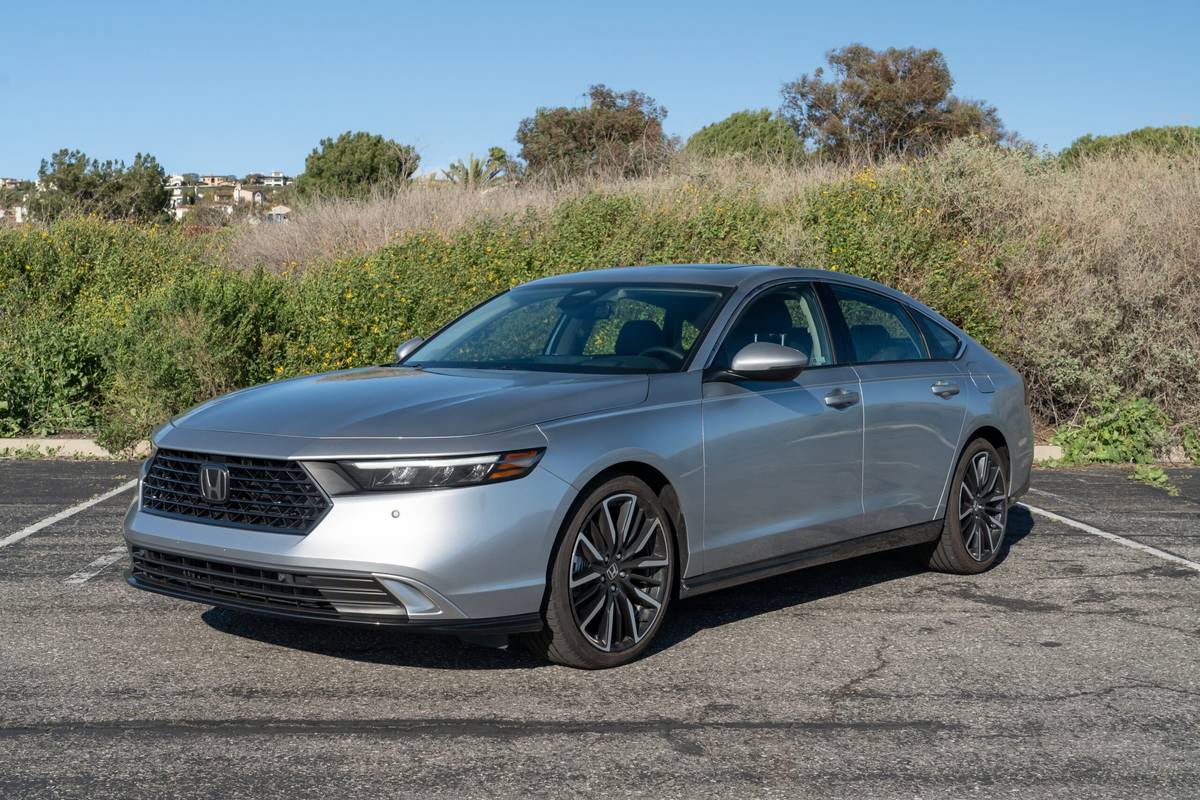
2026 Honda Accord vs 2026 Hyundai Sonata

The 2026 Honda Accord vs 2026 Hyundai Sonata is the matchup every midsize sedan shopper needs to consider before signing on the dotted line. In an automotive landscape increasingly dominated by crossovers and SUVs, these two stalwarts prove that the traditional family sedan still has plenty to offer—if you know where to look. Whether you prioritize fuel economy, driving dynamics, interior space, or long-term value, this comprehensive buyer’s guide breaks down every critical detail to help you make the smartest purchase decision in 2026.
Table of Contents
- Quick Overview
- Pricing and Trim Levels
- Engine, Performance, and Driving Dynamics
- Fuel Economy Comparison
- Interior, Comfort, and Cargo Space
- Technology and Infotainment
- Safety Ratings and Driver Assistance
- Reliability, Warranty, and Ownership Costs
- Which One Should You Buy?
- Frequently Asked Questions
1. 2026 Honda Accord vs 2026 Hyundai Sonata
The midsize sedan segment has shrunk dramatically over the past decade, but the 2026 Honda Accord and 2026 Hyundai Sonata remain two of the most compelling reasons to skip the SUV craze. Both vehicles deliver exceptional value, strong fuel economy, and generous feature lists at price points that undercut similarly equipped crossovers by thousands of dollars.
The 2026 Honda Accord carries forward its reputation as the driver’s choice in the segment. With a refined hybrid powertrain, class-leading interior space, and a 10Best award pedigree from Car and Driver, the Accord continues to set the benchmark for what a family sedan should be. Honda offers the Accord in both gas-powered and hybrid configurations, with the hybrid now dominating the upper trim levels.
The 2026 Hyundai Sonata, meanwhile, counters with bold styling, a trio of powertrain options including a muscular N Line variant, and Hyundai’s legendary warranty coverage. For 2026, Hyundai has streamlined the lineup by replacing the SEL and SEL Convenience trims with the new SEL Sport, while adding a base Blue Hybrid trim for maximum efficiency. The Sonata also offers something the Accord does not: available all-wheel drive on select trims.
So which one deserves your hard-earned money? Let’s dive into the details.
2. Pricing and Trim Levels
Price is often the first filter for car buyers, and both the Accord and Sonata deliver strong value propositions—though they approach pricing from slightly different angles.
2026 Honda Accord Pricing
The 2026 Honda Accord starts at $28,395 MSRP for the LX trim, which comes with the 1.5-liter turbocharged four-cylinder engine. The SE trim bumps the price to $31,890. Moving into hybrid territory, the Sport Hybrid starts at $34,990, the EX-L Hybrid at $36,290, the Sport-L Hybrid at $36,690, and the range-topping Touring Hybrid commands $40,690. Notably, Honda does not offer all-wheel drive on any Accord trim for 2026—all power is sent to the front wheels.
2026 Hyundai Sonata Pricing
The 2026 Hyundai Sonata opens at a slightly lower $27,450 MSRP for the base SE trim with the 2.5-liter naturally aspirated engine. The new SEL Sport starts at $29,150, while the SEL Hybrid comes in at $29,200. The SEL Sport Hybrid is priced at $32,450, the N Line performance trim at $36,050, and the Limited Hybrid tops the range at $38,250. Unlike the Accord, the Sonata offers available HTRAC all-wheel drive on the SEL Sport trim, giving it a weather-weather advantage for buyers in snowy climates.
Bottom line on pricing: The Sonata undercuts the Accord at the entry level by nearly $1,000, and its hybrid variants are also priced more aggressively. However, the Accord’s strong resale value and lower depreciation can offset the higher upfront cost over a five-year ownership period.
3. Engine, Performance, and Driving Dynamics
Performance is where these two sedans diverge most dramatically. Your choice of powertrain will largely determine your driving experience.
2026 Honda Accord Powertrains
The non-hybrid 2026 Honda Accord is powered by a 1.5-liter turbocharged inline-4 producing 192 horsepower and 192 lb-ft of torque, paired with a continuously variable transmission (CVT). While adequate for daily commuting, this engine lacks the punch of the Accord’s previous 2.0-liter turbo option, which Honda discontinued. The CVT does its best to keep the engine in its power band, but enthusiasts will notice the absence of a more spirited powertrain in the gas-only trims.
The real star is the Accord Hybrid, which pairs a 2.0-liter Atkinson-cycle inline-4 with an electric motor for a combined output of 204 horsepower and 247 lb-ft of torque. Unlike the gas model’s CVT, the hybrid uses a direct-drive transmission that delivers smoother, more linear acceleration. Car and Driver recorded a 0-60 mph time of 6.7 seconds for the hybrid—quicker than the non-hybrid’s 7.3 seconds and competitive with the Toyota Camry Hybrid.
2026 Hyundai Sonata Powertrains
Hyundai offers three distinct powertrains for the 2026 Sonata, giving buyers more choice than Honda:
- 2.5-liter naturally aspirated inline-4: 191 horsepower, 181 lb-ft of torque, 8-speed automatic. Available on SE and SEL Sport trims.
- 2.0-liter hybrid inline-4 with electric motor: 192 combined horsepower, 6-speed automatic. Available on Blue, SEL, and SEL Sport Hybrid trims.
- 2.5-liter turbocharged inline-4 (N Line): 290 horsepower, 311 lb-ft of torque, 8-speed dual-clutch automatic. Exclusive to the N Line trim.
The Sonata N Line is the undisputed performance king of this comparison. With 290 horsepower and a 0-60 mph time of just 5.4 seconds, it dusts both the Accord and the Toyota Camry. The retuned 8-speed dual-clutch transmission for 2026 improves low-speed drivability and launch consistency, addressing earlier complaints about jerkiness in traffic.
Driving Dynamics
Car and Driver consistently ranks the Honda Accord as the best-handling sedan in the segment, praising its “virtuoso ride and handling” and composed chassis. The Accord’s steering is more communicative than the Sonata’s, and its suspension tuning strikes an ideal balance between comfort and cornering confidence. The hybrid’s added weight (about 270 pounds over the gas model) is well-managed and doesn’t detract from the driving experience.
The Sonata, by contrast, prioritizes comfort over engagement. It’s composed and pleasant to drive, but as Car and Driver notes, “the Honda Accord is more engaging to drive.” The Sonata’s ride is soft and isolating, which many buyers will appreciate, but it lacks the Accord’s athletic edge. The N Line tightens things up with sport-tuned suspension and larger brakes, but it still doesn’t match the Accord’s overall chassis refinement.
4. Fuel Economy Comparison
Fuel economy is a major selling point for both sedans, and both deliver impressive EPA ratings—though the Sonata Hybrid holds a slight edge in highway efficiency.
| Model / Trim | City MPG | Highway MPG | Combined MPG |
|---|---|---|---|
| 2026 Honda Accord (Gas) | 29 | 37 | 32 |
| 2026 Honda Accord Hybrid | 46-51 | 41-44 | 44-48 |
| 2026 Hyundai Sonata SE (Gas) | 28 | 38 | 32 |
| 2026 Hyundai Sonata SEL Sport AWD | 24 | 33 | 27 |
| 2026 Hyundai Sonata Hybrid | 44-47 | 51-56 | 47-51 |
| 2026 Hyundai Sonata N Line | 23 | 32 | 27 |
Key takeaways on fuel economy:
- The Sonata Hybrid achieves up to 56 mpg highway on the Blue trim, beating the Accord Hybrid’s 44 mpg highway on the Touring trim. However, the Accord Hybrid’s city rating of up to 51 mpg exceeds the Sonata’s 47 mpg city maximum.
- The Accord Hybrid EX-L is the most efficient Accord, rated at 51 mpg city and 44 mpg highway. The Sport and Touring hybrids drop slightly to 46 city / 41 highway due to larger 19-inch wheels.
- Opting for AWD on the Sonata SEL Sport reduces fuel economy significantly to 24 city / 33 highway—a trade-off for weather traction.
- The Sonata N Line is predictably thirsty at 23 city / 32 highway, but that’s the price of 290 horsepower.
In real-world testing by Car and Driver, a non-hybrid Accord achieved 40 mpg on their 75-mph highway loop, while a hybrid Accord returned 36 mpg. A Sonata hybrid previously tested delivered 51 mpg on the same route. Your actual mileage will vary based on driving habits, but both sedans are among the most efficient non-plug-in options in the segment.
5. Interior, Comfort, and Cargo Space
Both the Accord and Sonata offer spacious, well-appointed cabins that belie their affordable price tags. However, they prioritize different aspects of the interior experience.
2026 Honda Accord Interior
The Accord’s interior is a masterclass in minimalist design. A sweeping honeycomb mesh trim piece conceals the air vents, creating a clean, uncluttered dashboard that echoes the Civic and CR-V. Material quality is excellent for the price point, with soft-touch surfaces and tight panel gaps throughout. The 12.3-inch touchscreen is standard across all trims and integrates seamlessly into the dash.
Passenger space is where the Accord truly shines. Front legroom measures 42.3 inches, and rear legroom is among the best in class. The trunk offers 16.7 cubic feet of cargo capacity—large enough for seven carry-on suitcases, or 20 with the rear seats folded. Importantly, the hybrid models sacrifice no trunk space to the battery pack, unlike some competitors.
The only interior compromise is rear headroom. The Accord’s sleek, fastback roofline looks great from the outside but forces taller rear passengers to duck on entry and can feel snug for anyone over six feet.
2026 Hyundai Sonata Interior

The Sonata’s cabin is equally modern but more visually dramatic. Dual 12.3-inch screens (one for gauges, one for infotainment) create a tech-forward atmosphere that rivals luxury brands. Material quality is surprisingly good for a sub-$30,000 sedan, with available leather seating surfaces, ambient lighting, and a panoramic sunroof on upper trims.
Front-seat space is actually more generous than the Accord’s in some measurements, and the seats themselves are comfortable and supportive. However, the rear seat is less accommodating—Car and Driver describes it as “not the roomiest in the segment,” though average-size adults will be fine for hour-long trips. The trunk matches the Accord at approximately 16 cubic feet and features a wide opening for easy loading.
Interior verdict: The Accord wins on sheer space and practicality, especially for families who frequently carry rear passengers. The Sonata counters with more dramatic styling and available luxury features like ventilated seats, a Bose 12-speaker audio system, and Remote Smart Parking Assist on the Limited Hybrid.
6. Technology and Infotainment
Modern car buyers expect their vehicles to function as rolling smartphones, and both Honda and Hyundai deliver—though with different approaches.
2026 Honda Accord Technology
Every 2026 Accord comes standard with a 12.3-inch touchscreen featuring wireless Apple CarPlay and Android Auto. The interface is intuitive, with large icons and responsive touch inputs. Honda has finally abandoned its frustrating capacitive touch volume slider in favor of a physical knob on the latest models—a welcome change for 2026.
Hybrid trims add a 4-mode drive system (Sport, ECON, Normal, and Individual) and steering-wheel-mounted regenerative braking paddles that let you adjust deceleration intensity. The Touring Hybrid adds a head-up display, built-in Google integration, and a 12-speaker Bose audio system.
2026 Hyundai Sonata Technology
The Sonata also features a 12.3-inch touchscreen with wireless Apple CarPlay and Android Auto on all trims. Hyundai’s Bluelink+ connected services are standard, offering remote start, climate preconditioning, and vehicle status checks via smartphone app. The dual-screen setup on upper trims looks more premium than the Accord’s single-screen layout, though some users find the interface slightly less intuitive than Honda’s.
Standout tech features on the Sonata include:
- Remote Smart Parking Assist (RSPA): Available on Limited Hybrid, this allows the car to park itself while you stand outside.
- Blind-Spot View Monitor (BVM): Displays a live camera feed of your blind spot in the digital gauge cluster when signaling.
- Digital Key: Use your smartphone as a key on select trims.
- Bose Premium Audio: 12-speaker system available on Limited Hybrid and N Line.
Technology verdict: It’s a close call. The Sonata offers more gimmicky “wow” features, while the Accord focuses on execution and ease of use. For most buyers, both systems will be more than adequate, but tech enthusiasts may prefer the Sonata’s feature depth.
7. Safety Ratings and Driver Assistance
Safety is non-negotiable for family sedan buyers, and both the Accord and Sonata come loaded with advanced driver-assistance systems.
2026 Honda Accord Safety
The 2026 Honda Accord received a 5-star overall safety rating from NHTSA and earned the IIHS Top Safety Pick+ designation—the institute’s highest honor. Every Accord comes standard with the Honda Sensing suite, which includes:
- Automatic emergency braking with pedestrian detection
- Lane-keeping assist and lane departure warning
- Adaptive cruise control
- Traffic sign recognition
- Blind-spot monitoring
- Rear cross-traffic alert
- Automatic high-beams
Available features include front and rear parking sensors, rain-sensing wipers, and a driver focus monitor on the Touring Hybrid.
2026 Hyundai Sonata Safety
Hyundai equips every 2026 Sonata with an equally comprehensive suite of safety features:
- Forward collision-avoidance assist with pedestrian, cyclist, and junction-turning detection
- Lane-keeping assist and lane following assist
- Smart cruise control with stop-and-go
- Blind-spot collision warning
- Rear cross-traffic collision-avoidance assist
- Driver attention warning
- High beam assist
- Rear occupant alert
The Limited Hybrid adds the Blind-Spot View Monitor, Parking Distance Warning for forward, reverse, and side, and Remote Smart Parking Assist. Highway Driving Assist (HDA)—Hyundai’s hands-on semi-autonomous driving system—is standard on N Line and Limited Hybrid.
Safety verdict: Both sedans are exceptionally safe, with top ratings and comprehensive standard equipment. The Accord’s NHTSA 5-star rating and IIHS Top Safety Pick+ give it a slight edge in third-party validation, but the Sonata matches it feature-for-feature and adds some unique tech like the Blind-Spot View Monitor.
8. Reliability, Warranty, and Ownership Costs
Long-term ownership costs can make or break a purchase decision, and this is where Hyundai’s warranty advantage becomes impossible to ignore.
Warranty Comparison
| Coverage | 2026 Honda Accord | 2026 Hyundai Sonata |
|---|---|---|
| Basic Warranty | 3 years / 36,000 miles | 5 years / 60,000 miles |
| Powertrain Warranty | 5 years / 60,000 miles | 10 years / 100,000 miles |
| Hybrid Battery Warranty | 10 years / 100,000 miles | 10 years / 100,000 miles |
| Complimentary Maintenance | Not included | 3 years / 36,000 miles |
| Roadside Assistance | 3 years / 36,000 miles | 5 years / unlimited miles |
Hyundai’s warranty is the best in the business. The 10-year/100,000-mile powertrain coverage is double Honda’s, and complimentary scheduled maintenance for three years adds real value. For buyers planning to keep their car long-term, the Sonata’s warranty is a major selling point.
Reliability and Resale Value
Honda has built its reputation on reliability, and the Accord consistently ranks among the most dependable vehicles in its class. However, Hyundai has closed the gap significantly in recent years, with the Sonata earning strong reliability scores from J.D. Power and Consumer Reports.
Where Honda still dominates is resale value. According to Kelley Blue Book, the Accord consistently retains more of its original value than the Sonata over five years. The Accord’s 5-year cost to own is approximately $53,484 for the LX, while the Sonata SE’s 5-year cost to own is $58,915—a difference largely driven by depreciation. If you plan to trade in or sell within five years, the Accord will likely cost less overall despite the higher purchase price.
9. Which One Should You Buy?
After weighing all the factors, here’s our trim-by-trim recommendation:
Buy the 2026 Honda Accord If…
- You prioritize driving dynamics and want the most engaging sedan in the segment.
- Rear passenger space is critical—families will appreciate the Accord’s class-leading legroom.
- You want the best resale value and lowest long-term ownership costs.
- You prefer hybrid efficiency with a more refined driving experience (the Accord Hybrid is quicker and smoother than the Sonata Hybrid).
- You value proven reliability and Honda’s decades-long reputation.
Recommended trim: The Accord Hybrid EX-L ($36,290) offers the best balance of efficiency (51 city / 44 highway), features, and value. If budget allows, the Touring Hybrid ($40,690) adds luxury features like ventilated seats, a head-up display, and Google built-in.
Buy the 2026 Hyundai Sonata If…
- You want the best warranty coverage in the industry for peace of mind.
- All-wheel drive is a must-have for your climate (available on SEL Sport).
- You crave performance—the N Line’s 290 horsepower is unmatched in the segment.
- You prefer bold styling and a more tech-forward interior design.
- You want maximum highway fuel economy—the Sonata Blue Hybrid achieves 56 mpg highway.
- You’re price-sensitive—the Sonata undercuts the Accord at nearly every trim level.
Recommended trim: The Sonata SEL Sport Hybrid ($32,450) offers excellent efficiency (44 city / 51 highway), generous features, and strong value. Performance enthusiasts should spring for the N Line ($36,050), which delivers sports-sedan acceleration at a fraction of the price of a BMW or Audi.
10. Frequently Asked Questions
Is the 2026 Honda Accord or 2026 Hyundai Sonata more reliable?
Both are highly reliable, but Honda’s longer track record gives the Accord a slight edge in perceived reliability. However, Hyundai’s 10-year/100,000-mile powertrain warranty provides unmatched protection if issues do arise.
Which has better fuel economy: the 2026 Accord Hybrid or the 2026 Sonata Hybrid?
The Sonata Hybrid wins on highway economy (up to 56 mpg vs. 44 mpg), while the Accord Hybrid is more efficient in city driving (up to 51 mpg vs. 47 mpg). For mixed driving, they’re nearly identical.
Does the 2026 Honda Accord offer all-wheel drive?
No. The 2026 Honda Accord is front-wheel drive only. The 2026 Hyundai Sonata offers available HTRAC all-wheel drive on the SEL Sport trim.
Which is faster: the Accord Hybrid or the Sonata N Line?
The Sonata N Line is significantly faster. It hits 60 mph in 5.4 seconds compared to the Accord Hybrid’s 6.7 seconds. The N Line’s 290 horsepower dwarfs the Accord Hybrid’s 204 horsepower.
Which sedan has more trunk space?
The Accord has a slight edge at 16.7 cubic feet versus the Sonata’s approximately 16 cubic feet. Both can accommodate seven carry-on suitcases.
Is the 2026 Sonata or 2026 Accord cheaper to own long-term?
Despite the Sonata’s lower purchase price, the Accord typically costs less to own over five years due to slower depreciation and better fuel economy in real-world driving. Kelley Blue Book estimates the Accord LX’s 5-year cost to own at $53,484 versus $58,915 for the Sonata SE.
Final Verdict
The 2026 Honda Accord vs 2026 Hyundai Sonata debate doesn’t have a single winner—it has two excellent choices tailored to different buyers. The Accord remains the enthusiast’s pick, offering superior driving dynamics, more interior space, and stronger resale value. It’s the rational choice for families and long-term owners who prioritize practicality and proven quality.
The Sonata, meanwhile, is the value champion. With a lower starting price, an unbeatable warranty, available all-wheel drive, and a performance variant that embarrasses pricier sports sedans, it appeals to buyers who want maximum features per dollar and aren’t afraid of bold styling.
Our advice? Test drive both. The Accord will win you over with its polished road manners and spacious cabin. The Sonata will impress you with its feature list and warranty peace of mind. Either way, you’ll be driving one of the best midsize sedans on the market—and saving thousands compared to an equivalent SUV.