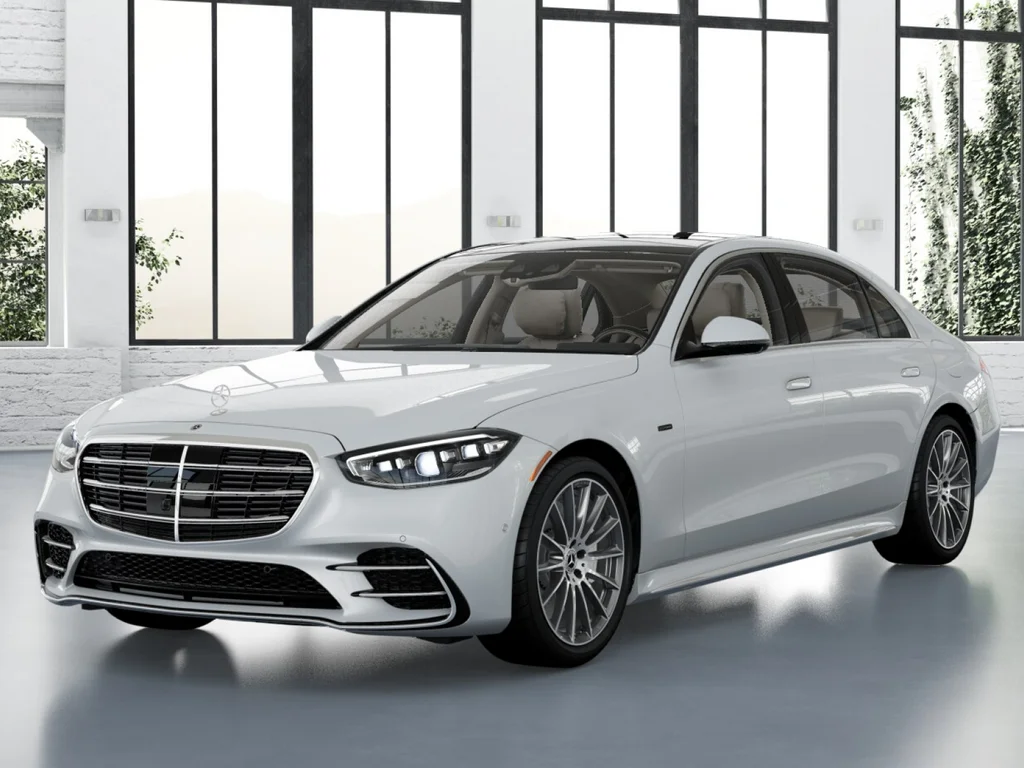
2025 Mercedes-Benz E-Class vs 2025 Lexus ES

2025 Mercedes-Benz E-Class vs 2025 Lexus ES — choosing between these two luxury sedans is one of the most common dilemmas facing buyers in the mid-size premium segment today. Both vehicles represent the pinnacle of their respective brands’ engineering philosophies: the Mercedes-Benz E-Class delivers German precision, cutting-edge technology, and dynamic performance, while the Lexus ES offers Japanese craftsmanship, serene comfort, and exceptional value. In this comprehensive buyer guide, we break down every critical aspect of these two sedans to help you make an informed decision.
Table of Contents
- Overview: 2025 Mercedes-Benz E-Class vs 2025 Lexus ES
- Pricing and Value Comparison
- Engine, Performance, and Driving Dynamics
- Fuel Economy and Efficiency
- Interior Quality, Comfort, and Technology
- Safety Features and Crash Test Ratings
- Dimensions, Cargo Space, and Practicality
- Reliability, Warranty, and Ownership Costs
- Final Verdict: Which Sedan Should You Buy?
2025 Mercedes-Benz E-Class vs 2025 Lexus ES
The 2025 Mercedes-Benz E-Class and 2025 Lexus ES occupy slightly different positions within the luxury sedan hierarchy, yet they frequently compete for the same buyers. The E-Class is Mercedes’ core mid-size offering, positioned above the C-Class and below the flagship S-Class. It represents the brand’s technological showcase and is widely regarded as one of the most complete luxury sedans on the market. The 2025 E-Class carries forward the W214 generation that debuted for the 2024 model year, featuring mild-hybrid powertrains, a stunning interior with the latest MBUX infotainment, and an available air suspension system.
The 2025 Lexus ES, on the other hand, is the final year of the seventh-generation model that launched in 2019. It serves as Lexus’ entry-level luxury sedan, positioned below the IS sport sedan and the flagship LS. For 2025, the ES lineup remains largely unchanged from previous years, with the addition of a new Black Line appearance package for the ES 350 F Sport Handling trim. The ES continues to offer three distinct powertrain options: the ES 250 with a 2.5-liter four-cylinder and all-wheel drive, the ES 350 with a 3.5-liter V6 and front-wheel drive, and the ES 300h hybrid that delivers exceptional fuel economy. Importantly, 2025 marks the final year for this generation before the completely redesigned 2026 ES arrives with an all-new hybrid-only powertrain and dramatically different styling.
When comparing these two sedans, the most significant difference is price. The 2025 Mercedes-Benz E-Class starts at approximately $62,450 for the E 350 sedan, while the 2025 Lexus ES begins at around $42,040 for the ES 250. This roughly $20,000 price gap is substantial and represents the core value proposition that Lexus offers. However, the E-Class justifies its premium with more advanced technology, superior performance, and a more prestigious brand image. Understanding how these differences manifest in real-world driving is essential for making the right choice.
Pricing and Value Comparison
Pricing is often the deciding factor when comparing the 2025 Mercedes-Benz E-Class vs 2025 Lexus ES. The Mercedes commands a significant premium, but it also delivers more in terms of performance, technology, and brand prestige. Let’s examine the pricing structure for both vehicles.
2025 Mercedes-Benz E-Class Pricing
| Trim | Engine | Starting MSRP | Drivetrain |
|---|---|---|---|
| E 350 | 2.0L turbo I-4 mild hybrid (255 hp) | $62,450 | RWD |
| E 350 4MATIC | 2.0L turbo I-4 mild hybrid (255 hp) | $64,950 | AWD |
| E 450 4MATIC | 3.0L inline-6 mild hybrid (375 hp) | $70,850 | AWD |
2025 Lexus ES Pricing
| Model | Engine | Starting MSRP | Drivetrain |
|---|---|---|---|
| ES 250 | 2.5L I-4 (203 hp) | $42,040 | AWD |
| ES 350 | 3.5L V6 (302 hp) | $42,040 | FWD |
| ES 300h | 2.5L hybrid (215 hp) | $43,440 | FWD |
The pricing gap between these two sedans is substantial. Even the most affordable E-Class (E 350 RWD at $62,450) costs approximately $20,000 more than the base Lexus ES 250 or ES 350. When comparing similarly equipped models, the gap can widen further. A fully loaded E 450 4MATIC with the Pinnacle trim and premium options can easily exceed $80,000, while a top-tier ES 350 Ultra Luxury tops out around $52,330. For buyers prioritizing value, the Lexus ES is the clear winner, offering genuine luxury features at a significantly lower price point.
However, value is not just about the purchase price. The Mercedes-Benz E-Class holds its value well in the luxury segment and offers a more advanced ownership experience. Additionally, the E-Class provides access to Mercedes’ extensive options list, including the Burmester audio system, augmented reality navigation, and the Drive Pilot semi-autonomous driving system. The Lexus ES, while well-equipped, cannot match the E-Class’s technological depth or performance capabilities at any price point.
Engine, Performance, and Driving Dynamics
Performance is where the 2025 Mercedes-Benz E-Class vs 2025 Lexus ES comparison reveals the most dramatic differences. These two sedans approach driving dynamics from entirely different philosophical perspectives, and the results are immediately apparent from behind the wheel.
2025 Mercedes-Benz E-Class Powertrains
The 2025 E-Class offers two sophisticated mild-hybrid powertrains, both paired with a 9-speed automatic transmission. The E 350 uses a turbocharged 2.0-liter inline-four engine producing 255 horsepower and 295 lb-ft of torque, supplemented by a 23-horsepower electric motor integrated into the transmission. This setup delivers smooth, responsive acceleration with EPA ratings of 25 mpg city and 33 mpg highway for the rear-wheel-drive version. The E 350 4MATIC adds all-wheel drive and achieves 24 mpg city and 33 mpg highway.
For enthusiasts, the E 450 4MATIC is the standout choice. Its turbocharged 3.0-liter inline-six engine produces 375 horsepower and 369 lb-ft of torque, with a more powerful integrated starter-generator that smooths power delivery and reduces turbo lag. This engine is a masterpiece of refinement, delivering effortless acceleration and a silken character that defines the Mercedes luxury experience. In Car and Driver testing, the E 450 4MATIC accelerated from 0 to 60 mph in just 4.4 seconds, while the E 350 4MATIC managed 5.8 seconds. Both figures place the E-Class firmly in the upper echelon of the mid-size luxury segment.
The E-Class chassis is equally impressive. The standard steel-spring suspension provides excellent ride comfort and handling balance, while the optional air suspension elevates both attributes to world-class levels. An available rear-wheel-steering system improves maneuverability in tight spaces and stability at highway speeds. The E-Class strikes a rare balance between comfort and athleticism, inviting spirited driving on back roads while remaining supremely composed during long highway journeys.
2025 Lexus ES Powertrains
The 2025 Lexus ES offers three powertrain choices, each serving a different buyer profile. The ES 250 features a naturally aspirated 2.5-liter inline-four engine producing 203 horsepower and 184 lb-ft of torque, paired with an 8-speed automatic transmission and standard all-wheel drive. This is the most affordable entry point, but performance is modest. Edmunds testing shows the ES 250 requires 8.6 seconds to reach 60 mph, which is adequate for daily driving but unimpressive for a luxury sedan.
The ES 350 is the performance leader of the Lexus lineup, featuring a 3.5-liter V6 engine producing 302 horsepower and 267 lb-ft of torque. This engine delivers smooth, linear acceleration and a refined character that suits the ES’s luxury mission. The ES 350 reaches 60 mph in approximately 6.6 seconds, which is respectable but still trails the four-cylinder E 350 by nearly a full second. The V6 is paired with an 8-speed automatic transmission and front-wheel drive only, which limits its appeal for buyers in snowy climates.
The ES 300h hybrid combines a 2.5-liter inline-four with an electric motor system for a total output of 215 horsepower. While not the quickest option, it delivers exceptional fuel economy of 44 mpg combined, making it the efficiency champion of the segment. The hybrid uses a continuously variable transmission (CVT) that prioritizes smoothness over engagement, which aligns with the ES’s comfort-first philosophy.
The Lexus ES chassis is tuned exclusively for comfort. The suspension absorbs road imperfections with remarkable effectiveness, and the cabin remains whisper-quiet at all speeds. However, this comfort comes at the expense of athleticism. The ES is not a car that encourages spirited driving, with body roll in corners and a steering system that prioritizes isolation over feedback. For buyers who value a serene, relaxing driving experience, this is a strength. For those seeking engagement and precision, the Mercedes is the superior choice.
Fuel Economy and Efficiency
Fuel economy is an important consideration for luxury sedan buyers, and both the 2025 Mercedes-Benz E-Class and 2025 Lexus ES offer competitive efficiency. However, the Lexus ES 300h hybrid stands apart as the segment leader.
| Model | City MPG | Highway MPG | Combined MPG |
|---|---|---|---|
| Mercedes E 350 RWD | 25 | 33 | 28 |
| Mercedes E 350 4MATIC | 24 | 33 | 27 |
| Mercedes E 450 4MATIC | 22 | 31 | 25 |
| Lexus ES 250 AWD | 24 | 33 | 28 |
| Lexus ES 350 FWD | 22 | 32 | 26 |
| Lexus ES 300h Hybrid | 48 | 44 | 46 |
The Lexus ES 300h hybrid is the clear efficiency winner, delivering 46 mpg combined — nearly double the E 450’s rating and significantly better than even the four-cylinder E 350. For buyers who prioritize fuel economy and environmental consciousness, the ES 300h is compelling. However, the Mercedes mild-hybrid systems are also impressive. The E 350’s 2.0-liter turbo four with integrated electric assistance achieves 28 mpg combined, matching the ES 250 and nearly matching the non-hybrid ES 350. In Car and Driver’s real-world 75-mph highway testing, both the E 350 and E 450 4MATIC achieved 35 mpg, demonstrating the effectiveness of Mercedes’ mild-hybrid technology.
It’s worth noting that the Mercedes requires premium unleaded fuel, while the Lexus ES can run on regular gasoline. This difference in fuel costs can add up over time, particularly for the ES 300h, which uses the cheapest fuel while delivering the best efficiency. For high-mileage drivers, the ES 300h’s operating cost advantage is substantial.
Interior Quality, Comfort, and Technology
The interior is where the 2025 Mercedes-Benz E-Class vs 2025 Lexus ES comparison becomes most subjective, as both brands excel in different ways. Mercedes prioritizes technological spectacle and material richness, while Lexus focuses on ergonomic simplicity and tactile quality.
2025 Mercedes-Benz E-Class Interior
The E-Class interior is a technological tour de force. The standard configuration features a digital instrument cluster and a 14.4-inch central touchscreen running the latest MBUX (Mercedes-Benz User Experience) interface. For those who want maximum screen real estate, the optional Superscreen adds a passenger-side display, creating a dashboard-spanning digital environment. The materials are impeccable, with genuine leather, open-pore wood, and brushed metal trim available throughout.
Mercedes has integrated some clever features that may delight or divide buyers. An in-car selfie camera, downloadable third-party apps including TikTok and Angry Birds, and Zoom video conferencing capability are available. The augmented reality navigation system overlays directional arrows onto a live camera view of the road ahead, making navigation intuitive and engaging. The optional Burmester 4D surround sound system with 17 speakers and seat-integrated transducers creates an immersive audio experience.
Comfort is exceptional in both rows. The front seats are power-adjustable with heating, ventilation, and massage functions available. Rear-seat passengers enjoy generous legroom and headroom, with available power sunshades and quad-zone climate control. The E-Class cabin is a genuinely special place that rivals the ambiance of the more expensive S-Class.
2025 Lexus ES Interior
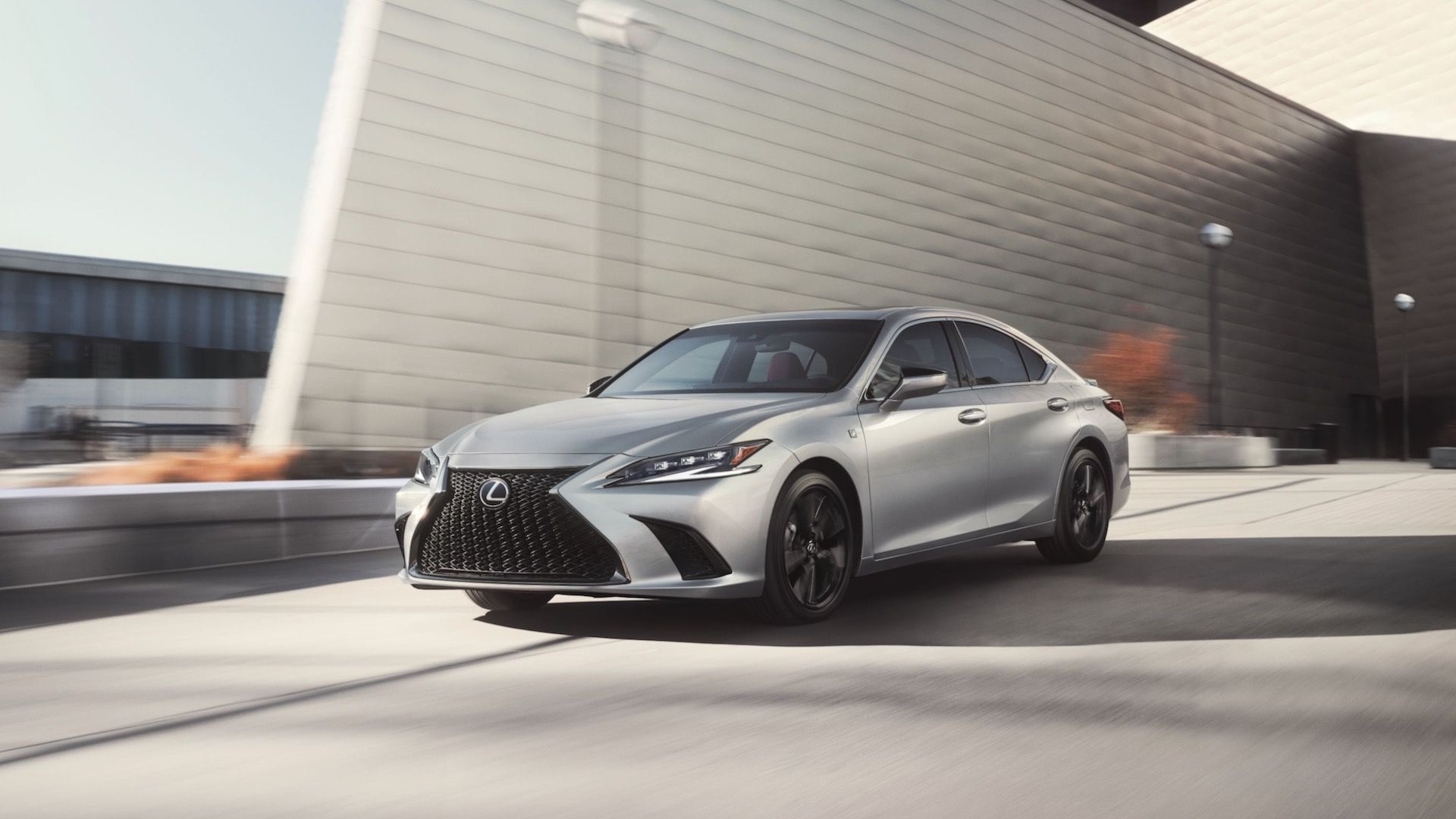
The Lexus ES interior takes a more traditional approach to luxury. The design is clean and elegant, with a focus on physical controls and intuitive operation. The standard 8-inch touchscreen is small by modern standards, but the available 12.3-inch display is more competitive. Lexus’ infotainment system supports wireless Apple CarPlay and Android Auto, and the available Mark Levinson 17-speaker audio system delivers outstanding sound quality.
Where the ES truly excels is in material quality and build consistency. The leather upholstery is supple, the wood trim is genuine, and the panel gaps are tighter than many competitors. The physical buttons and knobs have a satisfying damping that feels expensive and durable. The front seats are among the most comfortable in the segment, with excellent support for long drives. The rear seat is spacious, with 39.2 inches of legroom that exceeds the E-Class’s 35.8 inches.
However, the ES interior is not without drawbacks. The infotainment system, while functional, lacks the visual sophistication and responsiveness of Mercedes’ MBUX. The available head-up display and digital instrument cluster are less advanced than the E-Class’s offerings. And while the ES is well-equipped for its price, it cannot match the E-Class’s depth of available technology and luxury features.
Safety Features and Crash Test Ratings
Both the 2025 Mercedes-Benz E-Class and 2025 Lexus ES are equipped with comprehensive safety technology, but their approaches and ratings differ.
2025 Mercedes-Benz E-Class Safety
The E-Class comes standard with automated emergency braking with pedestrian detection, blind-spot monitoring, and driver-attention monitoring. Optional features include adaptive cruise control with lane-centering, lane-departure warning with lane-keeping assist, and the groundbreaking Drive Pilot system, which allows hands-free driving on certain highways under specific conditions. The E-Class has earned top ratings from the IIHS, including Good scores in all crash-test categories.
2025 Lexus ES Safety
The Lexus ES comes standard with Lexus Safety System+ 2.5, which includes forward collision mitigation, lane departure mitigation, lane keeping assist, adaptive cruise control, and blind-spot warning with rear cross-traffic alert. The ES has earned a 5-star overall rating from NHTSA, with top scores in side crash tests. IIHS ratings include Good scores in most categories, though the updated moderate overlap front test earned a Marginal rating, and the updated side impact test received an Acceptable rating.
Both vehicles offer excellent safety, but the Mercedes provides more advanced semi-autonomous driving capabilities, while the Lexus offers a longer list of standard features at a lower price point. For buyers who prioritize cutting-edge driver assistance, the E-Class has an edge. For those who want comprehensive safety without paying extra, the ES is compelling.
Dimensions, Cargo Space, and Practicality
Practicality matters in the luxury sedan segment, and both vehicles offer competitive dimensions with some notable differences.
| Dimension | Mercedes E-Class | Lexus ES |
|---|---|---|
| Length | 194.9 in | 195.9 in |
| Width | 73.7 in | 73.4 in |
| Height | 57.9 in | 56.9 in |
| Wheelbase | 116.6 in | 113.0 in |
| Front Legroom | 41.3 in | 42.4 in |
| Rear Legroom | 35.8 in | 39.2 in |
| Trunk Volume | 12.7 cu ft | 13.9 cu ft |
| Curb Weight | 4,134 lbs | 3,737 lbs |
The Lexus ES offers more rear legroom and a larger trunk, making it the better choice for buyers who frequently carry passengers or cargo. The ES’s longer wheelbase relative to its overall length also contributes to its spacious interior. However, the Mercedes E-Class’s longer wheelbase provides a more stable, composed ride, and its wider track improves handling. The E-Class’s lower roofline creates a more aerodynamic, sporty profile, though it slightly reduces headroom compared to the ES.
A significant practical drawback of the Lexus ES is that the rear seats do not fold down, limiting the ability to carry long items. The Mercedes E-Class offers a 40/20/40 split-folding rear seat as standard, greatly expanding cargo versatility. For buyers who need maximum practicality, this is an important distinction.
Reliability, Warranty, and Ownership Costs
Long-term ownership costs are a critical factor in the luxury sedan segment, and this is where the Lexus ES traditionally excels.
Warranty Comparison
| Coverage | Mercedes E-Class | Lexus ES |
|---|---|---|
| Basic Warranty | 4 years / 50,000 miles | 4 years / 50,000 miles |
| Powertrain Warranty | 4 years / 50,000 miles | 6 years / 70,000 miles |
| Hybrid Component Warranty | N/A | 8 years / 100,000 miles |
| Roadside Assistance | 4 years / 50,000 miles | 4 years / unlimited miles |
| Complimentary Maintenance | None | 1 year / 10,000 miles |
Lexus provides a longer powertrain warranty and complimentary maintenance for the first year, while Mercedes offers no complimentary maintenance. Historically, Lexus vehicles have demonstrated superior long-term reliability compared to Mercedes-Benz models, with lower repair costs and fewer mechanical issues as vehicles age. The ES, in particular, benefits from Toyota’s proven powertrain engineering, with the 3.5-liter V6 and hybrid systems having excellent track records.
The Mercedes E-Class, while more complex and potentially more expensive to maintain, offers a more engaging driving experience and advanced technology that many buyers find worth the additional cost. Mercedes’ mild-hybrid systems are relatively new, and long-term reliability data is still emerging. However, Mercedes has made significant strides in quality and durability in recent years.
Final Verdict: Which Sedan Should You Buy?
Choosing between the 2025 Mercedes-Benz E-Class and 2025 Lexus ES ultimately depends on your priorities, budget, and driving preferences.
Buy the 2025 Mercedes-Benz E-Class If You Want:
- Cutting-edge technology and infotainment
- Superior performance and driving dynamics
- Prestigious brand image and status
- Available inline-six engine with exceptional refinement
- Advanced semi-autonomous driving features
- More configurable luxury options
- All-wheel drive with the base engine
Buy the 2025 Lexus ES If You Want:
- Exceptional value for money
- Superior fuel economy (especially the ES 300h hybrid)
- Proven long-term reliability
- Serene, comfortable ride quality
- Lower operating and maintenance costs
- Standard all-wheel drive (ES 250)
- More rear passenger space
- Higher resale value in some markets
The 2025 Mercedes-Benz E-Class is the more complete luxury sedan, offering superior performance, technology, and brand prestige. It justifies its higher price for buyers who value these attributes and can afford the premium. The E-Class is a car that satisfies on multiple levels — it’s comfortable enough for daily commuting, capable enough for spirited weekend drives, and prestigious enough for valet parking at the finest restaurants.
The 2025 Lexus ES is the smarter financial choice, delivering genuine luxury at a significantly lower price point. It excels in the areas that matter most to many buyers: comfort, reliability, efficiency, and value. The ES 300h hybrid, in particular, offers a unique combination of luxury and efficiency that no competitor can match. For buyers who prioritize a serene driving experience and long-term ownership satisfaction over performance and technology, the ES is the better choice.
Ultimately, if your budget allows and you desire the best that the mid-size luxury sedan segment has to offer, the 2025 Mercedes-Benz E-Class is the superior vehicle. If you seek exceptional value without sacrificing genuine luxury, the 2025 Lexus ES is the pragmatic choice that will serve you well for years to come. Both are excellent sedans — the question is which philosophy aligns with your priorities.
Frequently Asked Questions
Is the 2025 Mercedes E-Class worth the extra money over the Lexus ES?
For buyers who prioritize performance, technology, and brand prestige, the E-Class is worth the premium. It offers more powerful engines, a more advanced infotainment system, and a more engaging driving experience. However, for buyers focused on value, reliability, and operating costs, the Lexus ES delivers 80% of the luxury experience at 60% of the price.
Which is more reliable: the Mercedes E-Class or Lexus ES?
Historically, the Lexus ES has demonstrated superior long-term reliability compared to the Mercedes E-Class. Lexus consistently ranks at the top of J.D. Power and Consumer Reports reliability studies, while Mercedes typically scores below average. The ES’s simpler mechanical design and proven Toyota powertrains contribute to its durability advantage.
Does the 2025 Lexus ES 350 have all-wheel drive?
No, the 2025 Lexus ES 350 is only available with front-wheel drive. All-wheel drive is available on the ES 250 (the four-cylinder model) but not on the ES 350 V6 or the ES 300h hybrid. This is a significant limitation for buyers in snowy climates who want the V6’s performance.
What is the 0-60 time for the 2025 Mercedes E-Class?
The 2025 Mercedes-Benz E 350 accelerates from 0 to 60 mph in approximately 5.8 seconds (4MATIC version), while the E 450 4MATIC achieves 0-60 in just 4.4 seconds. These figures are significantly quicker than the Lexus ES 350’s 6.6 seconds and the ES 250’s 8.6 seconds.
Is the 2025 Lexus ES 300h hybrid a good choice?
Yes, the ES 300h is an excellent choice for buyers prioritizing fuel efficiency and environmental consciousness. With 46 mpg combined, it delivers nearly double the efficiency of non-hybrid competitors while maintaining the ES’s luxury character. The hybrid system is proven and reliable, and the price premium over the standard ES is modest.