2026 Acura Integra vs 2026 BMW 2-Series Buyer Guide
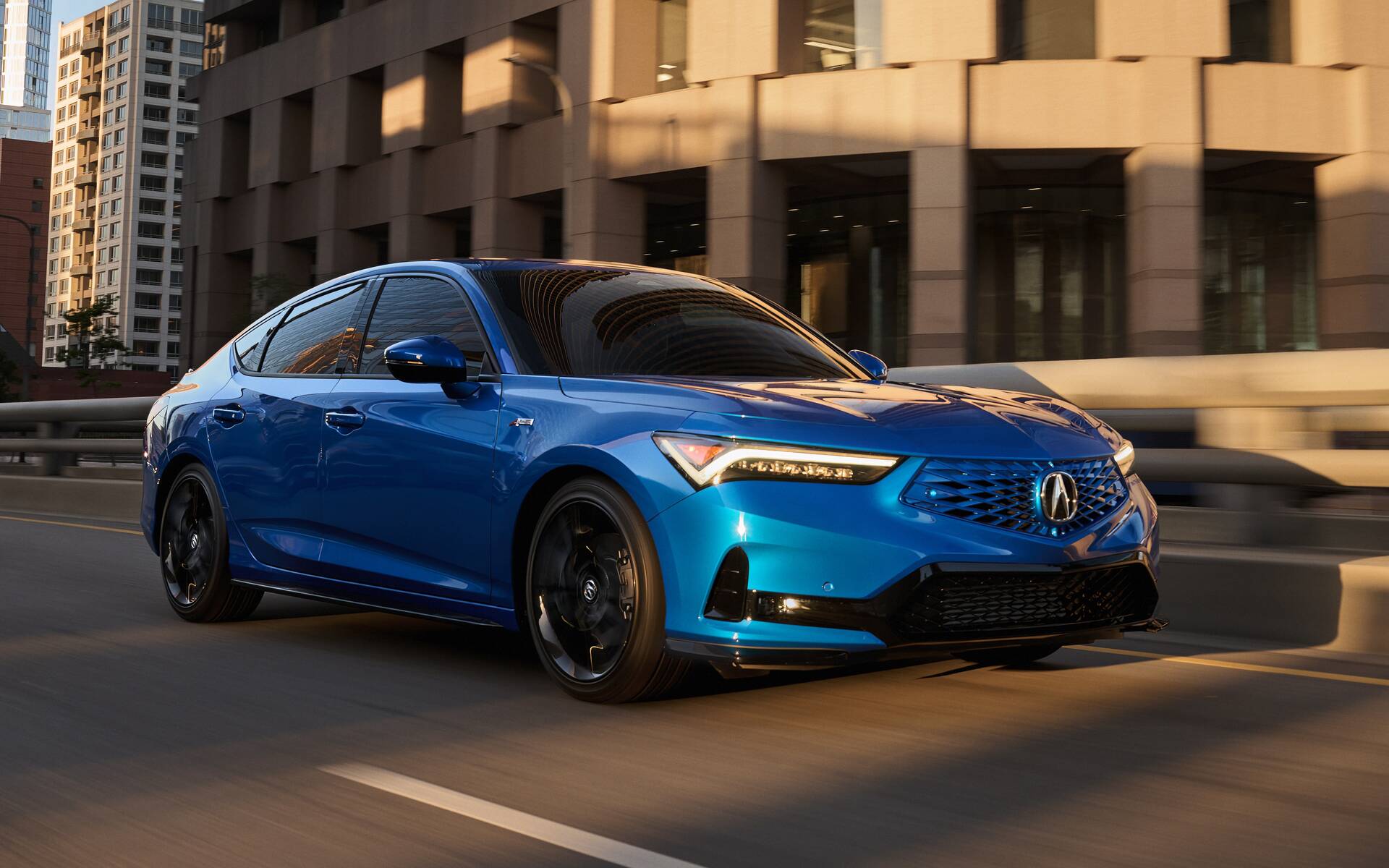
The 2026 Acura Integra vs 2026 BMW 2-Series is one of the most debated matchups in the entry-luxury compact segment this year. If you are shopping for a premium small car that blends daily usability with genuine driving excitement, both the Acura Integra and the BMW 2-Series deserve a spot on your shortlist. But these two vehicles approach the same mission from fundamentally different angles. The Integra is a front-wheel-drive hatchback rooted in Honda engineering, while the 2-Series is a rear-wheel-drive (or all-wheel-drive) coupe built on a traditional BMW longitudinal platform. In this comprehensive buyer guide, we break down every critical detail—pricing, performance, fuel economy, interior quality, technology, safety, warranty coverage, and real-world ownership costs—so you can make an informed decision in 2026.
Quick Overview: 2026 Acura Integra vs 2026 BMW 2-Series
Before diving into the granular details, here is a high-level snapshot of how these two vehicles compare. The 2026 Acura Integra is a five-door liftback that starts at approximately $33,400 and tops out around $55,195 for the high-performance Type S variant. It offers a choice between a 200-horsepower 1.5-liter turbocharged four-cylinder and a 320-horsepower 2.0-liter turbocharged four-cylinder in the Type S. The 2026 BMW 2-Series, meanwhile, is a two-door coupe (or four-door Gran Coupe) with a starting price around $40,775 for the 230i and climbing to roughly $53,000+ for the M240i. The 230i uses a 255-horsepower 2.0-liter turbo four, while the M240i packs a 382-horsepower 3.0-liter inline-six. The BMW is rear-wheel-drive by default with optional xDrive all-wheel drive, whereas the Integra is exclusively front-wheel drive.
| Specification | 2026 Acura Integra | 2026 BMW 2-Series |
|---|---|---|
| Starting MSRP | $33,400 | $40,775 (230i Coupe) |
| Body Style | 5-door liftback/hatchback | 2-door coupe / 4-door Gran Coupe |
| Base Engine | 1.5L turbo I4 (200 hp / 192 lb-ft) | 2.0L turbo I4 (255 hp / 295 lb-ft) |
| Performance Engine | 2.0L turbo I4 (320 hp / 310 lb-ft) Type S | 3.0L turbo I6 (382 hp / 369 lb-ft) M240i |
| Transmission | CVT or 6-speed manual | 8-speed automatic only |
| Drivetrain | Front-wheel drive | Rear-wheel drive or xDrive AWD |
| EPA Combined MPG (Base) | 30–32 mpg | 26–29 mpg |
| Cargo Capacity | 24.3 cu ft | 10–14 cu ft |
| Seating | 5 passengers | 4 passengers (coupe) / 5 (Gran Coupe) |
| Warranty | 4 yr/50k mi limited; 6 yr/70k mi powertrain | 4 yr/50k mi limited and powertrain |
| Complimentary Maintenance | 2 yr/24k mi | 3 yr/36k mi |
2026 Acura Integra: Detailed Breakdown
Pricing and Trim Levels
The 2026 Acura Integra carries over the fifth-generation platform that debuted in 2023, with meaningful interior upgrades for the new model year. Acura structures the Integra lineup across several trim levels. The base Integra starts at $33,400 and comes standard with the 200-horsepower 1.5-liter VTEC turbocharged inline-four, a continuously variable transmission (CVT), and front-wheel drive. Moving up to the A-Spec trim adds sportier styling, larger wheels, and an adaptive suspension system. The A-Spec with Technology Package represents the sweet spot for most buyers, bundling the 10.2-inch digital instrument cluster, 16-speaker ELS Studio 3D premium audio, wireless charging, and—crucially—the availability of a six-speed manual transmission with a limited-slip differential. For 2026, the 9.0-inch infotainment touchscreen is now standard across all trims, featuring a faster processor that reduces input lag. New exterior colors include Solar Silver Metallic, Urban Gray Pearl, and Double Apex Blue Pearl, while the A-Spec gains a new aero body kit and fresh 18-inch black wheels.
At the top of the range sits the Integra Type S, starting at approximately $52,900 and reaching $55,195 depending on options. The Type S is powered by a 2.0-liter turbocharged inline-four producing 320 horsepower and 310 lb-ft of torque—shared with the Honda Civic Type R but tuned for a more refined, mature character. It comes exclusively with a six-speed manual transmission, front-wheel drive, a limited-slip differential, Brembo brakes, and 19-inch wheels with summer tires. The Type S has earned Car and Driver’s Editors’ Choice award for three consecutive years, underscoring its credibility as a legitimate performance machine disguised as a daily driver.
Engine, Transmission, and Performance
The standard Integra’s 200-horsepower 1.5-liter turbocharged four-cylinder is mechanically related to the engine found in the Honda Civic Si. In Car and Driver testing, an A-Spec manual model accelerated from 0 to 60 mph in 6.8 seconds, while the CVT-equipped version took 7.1 seconds. Those numbers are respectable for the segment but not class-leading. The engine delivers its 192 lb-ft of torque starting at just 1,800 rpm, which makes the Integra feel responsive in everyday driving. The six-speed manual is a highlight—light, precise, and satisfying—and the adaptive suspension on A-Spec models with the Technology Package allows drivers to toggle between Comfort, Normal, and Sport modes. The Integra pulled 0.93 g on the skidpad in testing, demonstrating genuine cornering capability.
The Integra Type S is an entirely different animal. With 320 horsepower and 310 lb-ft of torque available at 2,600 rpm, it sprints to 60 mph in just 5.1 seconds and covers the quarter-mile in 13.7 seconds at 105 mph. It achieves 1.02 g on the skidpad and stops from 70 mph in an impressive 153 feet. Despite its performance credentials, the Type S remains comfortable enough for daily commuting thanks to its adaptive suspension and additional sound-deadening material compared to the Civic Type R.
Fuel Economy
Fuel efficiency is one of the Integra’s strongest selling points. The EPA rates the base and A-Spec CVT models at 29 mpg city and 37 mpg highway, with a combined rating of 32 mpg. Opting for the manual transmission drops those figures slightly to 26 mpg city and 36 mpg highway. In real-world testing, Car and Driver observed 40 mpg on the highway with the manual A-Spec and 38 mpg with the CVT A-Spec—both exceeding EPA estimates. The Type S is understandably thirstier, rated at 21 mpg city, 28 mpg highway, and 24 mpg combined, though it still managed 31 mpg in Car and Driver’s 75-mph highway test.
Interior, Comfort, and Cargo
The Integra’s interior walks a fine line between premium and practical. While it shares its underlying architecture with the Honda Civic, Acura differentiates the cabin with higher-quality materials, unique trim panels, and a more refined design language. For 2026, new patterned trim panels adorn the dashboard, and the A-Spec trim receives extended ambient lighting. Wireless Apple CarPlay and Android Auto are now standard across the board, as is wireless smartphone charging on higher trims. The liftback body style is a major advantage, offering 24.3 cubic feet of cargo space behind the rear seats—enough to fit a mountain bike with the seats folded. Rear legroom is generous for the segment, and the Integra seats five passengers comfortably.
However, critics note that the Integra’s cabin does not feel as luxurious as those of the Mercedes-Benz CLA-Class or Audi A3. Road noise is more pronounced than expected for a luxury-branded vehicle, and many desirable features—such as the premium audio system, adaptive suspension, and manual transmission—are locked behind the top trim level. The Type S swaps the rear bench for two individual bucket seats and a center console, reducing seating to four but adding a sportier atmosphere with microfiber upholstery and Type S badging.
Safety and Driver Assistance
The 2026 Acura Integra comes standard with a comprehensive suite of advanced driver-assistance systems. These include automated emergency braking with pedestrian detection, lane-departure warning with lane-keeping assist, and adaptive cruise control. A-Spec models with the Technology Package add front and rear parking sensors and low-speed braking control. The Integra has earned a five-star overall safety rating from the NHTSA and achieved Good ratings in most IIHS crash tests, including small overlap front driver-side and side impact evaluations.
Warranty and Ownership Costs
Acura offers a competitive warranty package: four years or 50,000 miles for the limited warranty and six years or 70,000 miles for the powertrain warranty—the latter being longer than what most European competitors provide. Complimentary scheduled maintenance covers two years or 24,000 miles. According to Edmunds, the estimated monthly cost to drive a base Integra is approximately $146 per month (based on 15,000 miles annually and premium fuel at $3.87 per gallon), making it one of the more affordable luxury cars to own in this segment.
2026 BMW 2-Series: Detailed Breakdown

Pricing and Trim Levels
The 2026 BMW 2-Series carries over unchanged from the 2025 refresh, which introduced updated styling and a revised interior with BMW’s curved display. The lineup is split between the two-door coupe (built on a rear-wheel-drive platform) and the four-door Gran Coupe (built on a front-wheel-drive platform shared with the Mini Cooper). For this comparison, we focus primarily on the coupe, as it represents the purest expression of BMW’s driving philosophy and is the closest competitor to the Integra in terms of enthusiast appeal.
The base 230i Coupe starts at approximately $40,775 (or $43,550 according to some sources, depending on destination and options). It is powered by a 255-horsepower 2.0-liter turbocharged inline-four and comes standard with rear-wheel drive. The 230i xDrive adds all-wheel drive for an additional cost. The M240i Coupe represents the performance flagship of the non-M lineup, starting around $49,500–$53,000 and featuring a 382-horsepower 3.0-liter turbocharged inline-six. Both engines are paired exclusively with an eight-speed automatic transmission—BMW no longer offers a manual transmission in the 2-Series coupe, a decision that has disappointed some enthusiasts.
Engine, Transmission, and Performance
The 230i’s 255-horsepower turbocharged four-cylinder is a strong performer, delivering 295 lb-ft of torque from just 1,550 rpm. In Car and Driver testing, the rear-wheel-drive 230i reached 60 mph in 5.1 seconds and completed the quarter-mile in 13.7 seconds at 101 mph. It pulled 0.92 g on the skidpad and stopped from 70 mph in 152 feet. Adding the M Sport and Dynamic Handling packages brings 19-inch performance tires, a sportier suspension tune, upgraded brakes, a variable-ratio steering system, and an electronically controlled rear differential—effectively transforming the 230i into a baby M car.
The M240i is in another league entirely. Its 382-horsepower inline-six rockets the coupe to 60 mph in just 3.6 seconds—faster than a Porsche Cayman S and nearly on par with the previous-generation BMW M2. It covers the quarter-mile in 12.1 seconds at 114 mph and achieves 0.94 g on the skidpad. The M240i comes standard with an adaptive M Sport suspension, larger brakes, and staggered 19-inch wheels with Michelin Pilot Sport 4S tires. For enthusiasts who want M-level performance without the M2’s $69,550 starting price, the M240i is arguably the best value in BMW’s current lineup.
Fuel Economy
The BMW 2-Series is reasonably efficient given its performance orientation. The rear-wheel-drive 230i is EPA-rated at 26 mpg city and 35 mpg highway, with a combined rating of 29 mpg. Adding xDrive all-wheel drive drops those figures to 25 mpg city and 33 mpg highway. In Car and Driver’s real-world 75-mph highway test, the 230i achieved an impressive 38 mpg—three mpg better than its EPA estimate. The M240i is rated at 23 mpg city and 32 mpg highway regardless of drivetrain configuration, with a combined rating of 26 mpg. While the Integra holds a clear advantage in fuel economy, the BMW’s efficiency is respectable for a vehicle with significantly more power.
Interior, Comfort, and Cargo
The 2026 BMW 2-Series interior is dominated by a curved glass panel that houses a 12.3-inch digital instrument cluster and a 14.9-inch infotainment touchscreen running BMW’s iDrive 8.5 software. The design is minimalist and screen-heavy, with most climate and seat controls relegated to the touchscreen or voice commands. Build quality is excellent, and materials are appropriate for the price point, though the cabin lacks the opulence of larger BMW models. Heated front seats, synthetic leather upholstery, dual-zone automatic climate control, and memory settings are standard.
The 2-Series coupe’s biggest weakness is practicality. The back seat is snug for adults, with limited headroom and legroom. The trunk offers just 10 cubic feet of cargo space—less than half the Integra’s capacity. The four-door Gran Coupe improves rear-seat space and adds a fifth seating position, but its trunk is even smaller at roughly 12 cubic feet, and it sacrifices the coupe’s rear-wheel-drive purity for a front-wheel-drive-based platform. For buyers who prioritize cargo versatility and rear-seat comfort, the Integra is the clear winner.
Technology and Infotainment
BMW’s iDrive 8.5 is one of the most advanced infotainment systems on the market, supporting wireless Apple CarPlay and Android Auto, over-the-air updates, and natural voice recognition. The 14.9-inch touchscreen responds to finger taps, control-pad inputs, and voice commands. A seven-speaker audio system is standard, with a 12-speaker Harman/Kardon surround-sound system available as an option. Available tech features include a head-up display, wireless charging, ambient lighting, and a surround-view camera system. The 2-Series Gran Coupe was named an IIHS Top Safety Pick, and standard safety equipment includes forward collision warning with automatic emergency braking, blind-spot monitoring, lane-keeping assist, and parking sensors.
Warranty and Ownership Costs
BMW offers a four-year/50,000-mile limited warranty and powertrain warranty, which is standard for the segment. However, BMW stands out with three years or 36,000 miles of complimentary scheduled maintenance—longer than Acura’s two-year/24,000-mile plan and a benefit that Mercedes-Benz does not match. Roadside assistance is included for the full warranty period with unlimited mileage. While BMW ownership costs tend to be higher than Acura’s due to more expensive parts and labor, the complimentary maintenance plan helps offset some of those expenses in the first three years.
Head-to-Head Comparison: Integra vs 2-Series
Performance and Driving Dynamics
When comparing base models, the BMW 230i holds a significant power advantage over the standard Acura Integra. The 230i’s 255 horsepower and 295 lb-ft of torque outgun the Integra’s 200 horsepower and 192 lb-ft by a wide margin, and the BMW’s rear-wheel-drive layout delivers a more engaging driving experience for purists. In straight-line acceleration, the 230i hits 60 mph in 5.1 seconds compared to the Integra manual’s 6.8 seconds—a difference of 1.7 seconds that is immediately noticeable in real-world driving.
However, the comparison becomes more nuanced when you factor in the Integra Type S. At 320 horsepower, the Type S is closer to the M240i (382 hp) than the 230i, and its 5.1-second 0–60 time matches the base BMW. The Type S also offers a manual transmission—something the BMW 2-Series no longer provides—which is a major selling point for driving enthusiasts. That said, the M240i’s 3.6-second sprint to 60 mph is in a completely different performance tier, and its inline-six engine delivers a soundtrack and refinement that no four-cylinder can match.
In terms of handling, both cars are impressive. The Integra’s front-wheel-drive layout with a limited-slip differential (on manual and Type S models) delivers surprising grip, achieving 0.93–1.02 g on the skidpad. The BMW’s rear-wheel-drive architecture provides superior balance and steering feel, though critics note that modern BMWs have lost some of the tactile feedback that defined earlier generations. The 2-Series is the lighter and smaller of the two, making it feel more nimble on tight roads, while the Integra’s longer wheelbase and hatchback body contribute to better high-speed stability and practicality.
Practicality and Everyday Usability
This is where the Acura Integra pulls decisively ahead. Its liftback design offers 24.3 cubic feet of cargo space—more than double the BMW coupe’s 10 cubic feet and even exceeding the Gran Coupe’s 12–14 cubic feet. The Integra seats five passengers versus the BMW coupe’s four, and rear legroom is significantly more generous. For buyers who need to haul gear, transport passengers, or simply appreciate the versatility of a hatchback, the Integra is the obvious choice.
The BMW 2-Series Gran Coupe attempts to close this gap with its four-door design, but it does so at the cost of the coupe’s rear-wheel-drive dynamics and still cannot match the Integra’s cargo capacity. Additionally, the Gran Coupe’s front-wheel-drive-based platform is mechanically unrelated to the coupe and lacks the same level of chassis sophistication. For families, road-trippers, or anyone who values utility, the Integra is the more logical daily driver.
Value and Ownership Costs
The Acura Integra undercuts the BMW 2-Series by approximately $7,000 at the base level, and that gap widens when comparing similarly equipped models. The Integra’s superior fuel economy—up to 37 mpg highway versus the BMW’s 35 mpg—translates to lower running costs over time. Acura’s longer powertrain warranty (six years/70,000 miles vs. BMW’s four years/50,000 miles) provides additional peace of mind, though BMW counters with an extra year of complimentary maintenance.
Where the BMW justifies its higher price is in perceived prestige, interior technology, and raw performance. The curved display, iDrive 8.5, and available inline-six engine are features that the Integra cannot match at any price. For buyers who prioritize the BMW badge, cutting-edge tech, or six-cylinder power, the premium is worth paying. For buyers who want 90 percent of the experience at 70 percent of the cost, the Integra is the smarter financial decision.
Technology and Infotainment
BMW’s iDrive 8.5 system is more visually impressive and feature-rich than Acura’s infotainment setup. The 14.9-inch touchscreen dwarfs the Integra’s 9.0-inch display, and the curved glass panel gives the BMW a distinctly modern, tech-forward ambiance. However, BMW’s reliance on touchscreen controls for climate and seat functions frustrates some users who prefer physical buttons. Acura’s system is simpler and more intuitive, with a faster processor for 2026 that reduces lag. Both systems support wireless Apple CarPlay and Android Auto, and both offer premium audio upgrades (ELS Studio 3D in the Acura, Harman/Kardon in the BMW).
Safety Ratings and Features
Both vehicles come well-equipped with standard safety technology. The Acura Integra earns a five-star NHTSA overall rating and Good IIHS scores in most categories. The BMW 2-Series Gran Coupe is an IIHS Top Safety Pick, though coupe-specific crash test data is less comprehensive. Both offer automated emergency braking, lane-keeping assist, blind-spot monitoring, and adaptive cruise control. Acura includes more features as standard equipment, while BMW reserves some advanced aids—such as surround-view cameras and automated parking—for higher trims or options packages.
Which One Should You Buy?
Buy the 2026 Acura Integra If…
- You want the most practical and versatile vehicle in the segment, with a large cargo area and seating for five.
- You prioritize fuel economy and lower ownership costs over outright performance.
- You prefer a manual transmission and cannot live without a clutch pedal (the Type S is your only option between these two).
- You value Acura’s longer powertrain warranty and lower starting price.
- You need a car that can handle daily commuting, weekend errands, and occasional road trips without compromise.
- You appreciate the liftback design and the ability to fold the rear seats for bulky cargo.
Buy the 2026 BMW 2-Series If…
- You are a driving enthusiast who values rear-wheel-drive dynamics and superior steering feedback.
- You want the fastest acceleration in the segment and are willing to pay for the M240i’s inline-six engine.
- You prefer a coupe body style and do not need significant rear-seat or cargo space.
- You want the most advanced infotainment system and a cabin that feels distinctly modern and luxurious.
- You live in a snowy climate and need the security of xDrive all-wheel drive.
- The BMW badge and brand prestige matter to you as part of the ownership experience.
Final Verdict
The 2026 Acura Integra vs 2026 BMW 2-Series debate ultimately comes down to what you value most in a vehicle. The Integra is the rational choice: it costs less, holds more cargo, seats more people, sips less fuel, and offers a manual transmission for purists. It is the better daily driver and the smarter financial investment for buyers who need their luxury car to do it all. The Type S variant adds legitimate performance credibility, making the Integra a true dual-purpose machine.
The BMW 2-Series, particularly in M240i form, is the emotional choice. It delivers a level of performance, refinement, and brand cachet that the Integra cannot match. Its rear-wheel-drive platform and inline-six engine represent the pinnacle of compact luxury sports coupe engineering. But those virtues come with significant trade-offs in practicality, fuel economy, and purchase price.
For the majority of buyers shopping in the $35,000–$55,000 range, the 2026 Acura Integra offers the superior overall package. It blends luxury, performance, and utility in a way that the BMW 2-Series simply cannot replicate. However, if your budget stretches to the M240i and your lifestyle accommodates a two-door coupe, the BMW remains one of the most rewarding driver’s cars on the market today. Whichever you choose, both vehicles represent excellent examples of what modern entry-luxury automobiles can achieve—and neither will leave you disappointed behind the wheel.
Frequently Asked Questions
Is the 2026 Acura Integra faster than the 2026 BMW 2-Series?
No. The base BMW 230i (5.1 seconds to 60 mph) is faster than the base Integra (6.8–7.1 seconds). However, the Integra Type S (5.1 seconds) matches the 230i and is closer to the M240i (3.6 seconds) than the standard Integra.
Does the 2026 BMW 2-Series offer a manual transmission?
No. The 2026 BMW 2-Series coupe and Gran Coupe are available exclusively with an eight-speed automatic transmission. The only manual option in BMW’s compact lineup is the M2. The Acura Integra Type S, by contrast, comes standard with a six-speed manual.
Which is more reliable, the Acura Integra or BMW 2-Series?
Historically, Acura vehicles have demonstrated higher long-term reliability and lower repair costs than BMWs. Acura’s longer powertrain warranty (six years/70,000 miles vs. BMW’s four years/50,000 miles) reflects the brand’s confidence in its engineering. BMW ownership costs tend to rise more sharply after the warranty period expires.
Can the Acura Integra fit a bike in the trunk?
Yes. The Integra’s 24.3 cubic feet of cargo space and 60/40 split-folding rear seats make it possible to fit a mountain bike with the front wheel removed. The BMW 2-Series coupe’s 10 cubic feet of trunk space cannot accommodate a bike without a roof or hitch-mounted rack.
Is the BMW 2-Series Gran Coupe the same as the 2-Series Coupe?
No. The 2-Series Gran Coupe is a four-door sedan built on a front-wheel-drive platform shared with the Mini Cooper. The 2-Series Coupe is a two-door built on a rear-wheel-drive platform with a longitudinal engine layout. They share a name but are mechanically unrelated.
2026 Honda Civic Type R vs 2026 Mazda Mazda3
2026 Honda Civic Type R vs 2025 Hyundai Elantra N


2025 Audi A4 vs 2026 BMW 3-Series Buyer Guide

2026 Honda Civic Type R vs 2026 Honda Civic Hybrid
2025 Audi A4 vs Mercedes-Benz C-Class Buyer Guide

2026 Acura Integra vs 2025 Audi A4 Buyer Guide
