2026 Honda Civic Type R vs 2025 Hyundai Elantra N: Ultimate 2026 Buyer Guide

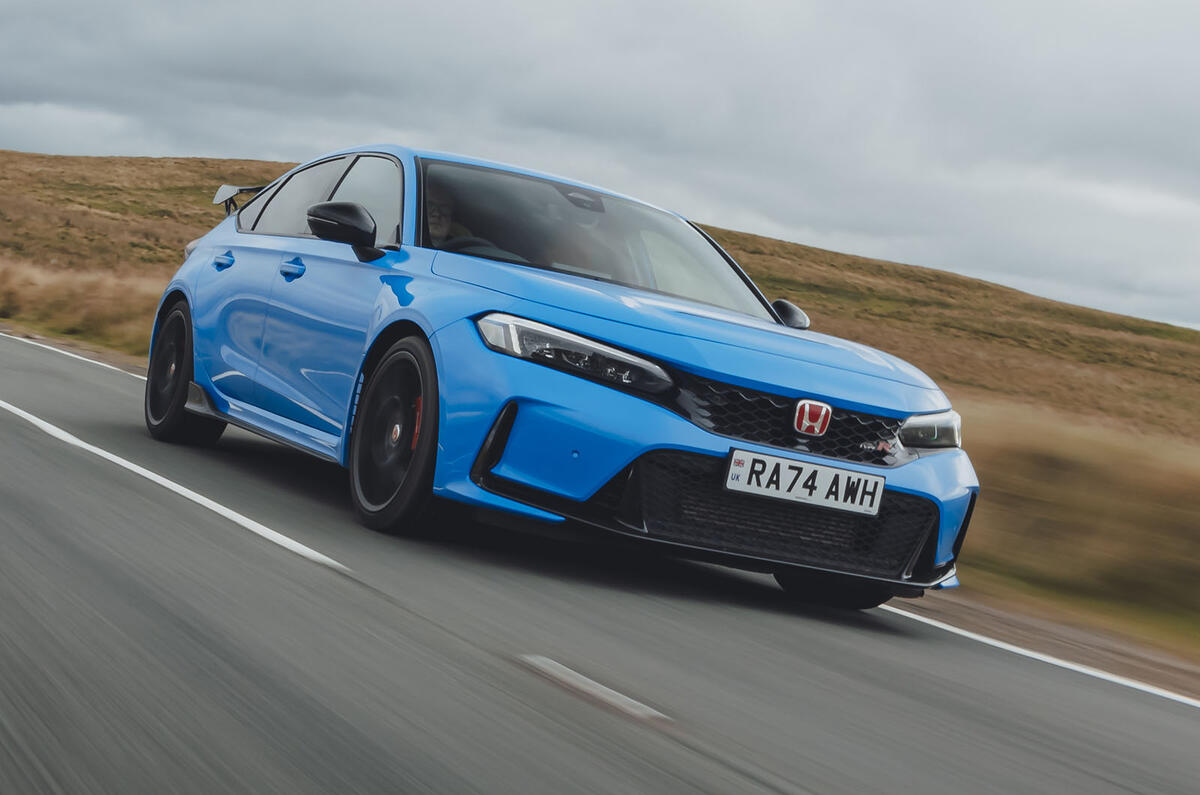
Honda Civic Type R 2026 vs 2025 Hyundai Elantra N is one of the most debated matchups in the sport compact segment right now. If you are shopping for a front-wheel-drive performance car in 2026 and want the best blend of track capability, daily drivability, and long-term value, this comparison is exactly what you need. Both the 2026 Honda Civic Type R and the 2025 Hyundai Elantra N represent the pinnacle of affordable performance from their respective brands, but they approach the hot compact formula from very different angles. This comprehensive buyer guide breaks down every critical category—powertrain, handling, pricing, interior, warranty, fuel economy, and real-world ownership costs—so you can make the smartest purchase decision in 2026.
Whether you are a weekend track-day warrior, a daily commuter who wants excitement, or a first-time buyer stepping into the performance car world, understanding the differences between these two machines is essential. The Civic Type R commands a significant price premium, but it also delivers a level of engineering refinement and motorsport pedigree that few cars under $50,000 can match. On the other hand, the Elantra N punches well above its weight with aggressive pricing, a standard manual transmission, and a chassis that reviewers consistently call the sharpest in its class. By the end of this guide, you will know exactly which car fits your budget, your driving style, and your lifestyle.
Table of Contents
- Quick Overview: 2026 Civic Type R vs 2025 Elantra N
- Pricing and Value in 2026
- Engine, Powertrain, and Performance
- Acceleration and Track Performance
- Handling, Suspension, and Braking
- Fuel Economy and Real-World Efficiency
- Interior, Comfort, and Practicality
- Technology and Infotainment
- Safety and Driver Assistance
- Warranty and Ownership Costs
- Which One Should You Buy? The Verdict
- Frequently Asked Questions (FAQ)
1. Quick Overview: 2026 Civic Type R vs 2025 Elantra N
Before diving into the details, here is a high-level snapshot of how these two performance compacts stack up against each other in 2026.
| Specification | 2026 Honda Civic Type R | 2025 Hyundai Elantra N |
|---|---|---|
| Starting MSRP | $48,090 | $35,595 |
| Engine | 2.0L turbocharged inline-4 (VTEC) | 2.0L turbocharged inline-4 (GDI) |
| Horsepower | 315 hp @ 6,500 rpm | 276 hp @ 5,500 rpm (286 hp with N Grin Shift) |
| Torque | 310 lb-ft @ 2,600 rpm | 289 lb-ft @ 2,100 rpm |
| Transmission | 6-speed manual only | 6-speed manual (standard) / 8-speed DCT (optional) |
| Drivetrain | Front-wheel drive | Front-wheel drive |
| Curb Weight | 3,188 lbs | 3,186 lbs (MT) / 3,296 lbs (DCT) |
| 0-60 MPH | ~4.9 seconds | ~5.1 seconds (MT) / ~4.8 seconds (DCT) |
| EPA Combined MPG | 24 mpg | 24 mpg (MT) / 23 mpg (DCT) |
| Body Style | 4-door hatchback | 4-door sedan |
| Seating | 4 passengers | 5 passengers |
| Cargo Capacity | 25.0 cu ft (seats up) | 14.2 cu ft |
| Brakes (Front) | 13.8-inch vented discs (Brembo 4-piston) | 14.2-inch vented discs |
| Tires | Michelin Pilot Sport 4S (265/30ZR-19) | Michelin Pilot Sport 4S (245/35ZR-19) |
| Warranty (Basic) | 3 years / 36,000 miles | 5 years / 60,000 miles |
| Powertrain Warranty | 5 years / 60,000 miles | 10 years / 100,000 miles |
| Complimentary Maintenance | 1 year / 12,000 miles | 3 years / 36,000 miles |
As the table above illustrates, the 2026 Honda Civic Type R and 2025 Hyundai Elantra N are closely matched in several areas—particularly curb weight and fuel economy—but diverge dramatically when it comes to price, power output, body style, and warranty coverage. The Civic Type R is the more expensive, more powerful, and more motorsport-focused machine, while the Elantra N delivers exceptional value with a lower entry price, a standard manual transmission, and class-leading warranty protection.
2. Pricing and Value in 2026
Pricing is often the first filter buyers apply when comparing two vehicles, and in this matchup, the gap is substantial. The 2026 Honda Civic Type R carries a starting MSRP of $48,090, which represents a $1,000 increase over the 2025 model year. There are no trim levels to choose from—the Type R is a single-spec, fully loaded performance hatchback. Optional extras are limited to premium paint colors such as Championship White, Boost Blue Pearl, and Sonic Gray Pearl, each adding approximately $455 to the bottom line. At this price point, the Civic Type R sits in a unique position: it is significantly more expensive than the Elantra N, yet still undercuts all-wheel-drive rivals like the Volkswagen Golf R ($50,730) and the Toyota GR Corolla ($41,415 and up).
By contrast, the 2025 Hyundai Elantra N starts at $35,595 for the six-speed manual transmission model. The optional eight-speed dual-clutch automatic transmission (DCT) adds $1,500, bringing the total to $37,095. Even fully loaded with the DCT and a few accessory packages, the Elantra N remains comfortably under $40,000. That is roughly a $12,500 price difference between the base Elantra N manual and the base Civic Type R. For many buyers, that gap alone makes the Elantra N the more attractive proposition—especially when you consider that both cars deliver similar real-world performance in daily driving scenarios.
However, value is not just about the sticker price. The Civic Type R holds its resale value exceptionally well, often retaining a higher percentage of its original MSRP after three to five years compared to the Elantra N. Honda’s reputation for reliability, combined with the Type R’s cult following and limited production numbers, means that depreciation is less of a concern. The Elantra N, while offering outstanding warranty coverage, does not command the same resale premiums on the used market. If you plan to keep your car for five or more years, the Civic Type R’s stronger residual value can partially offset its higher upfront cost.
3. Engine, Powertrain, and Performance
Under the hood, both cars use turbocharged 2.0-liter inline-four engines, but that is where the similarities end. The 2026 Honda Civic Type R is powered by a high-output K20C1 engine featuring Honda’s legendary VTEC variable valve timing and lift system. It produces 315 horsepower at 6,500 rpm and 310 lb-ft of torque at 2,600 rpm. Power is sent exclusively to the front wheels through a short-throw six-speed manual transmission—there is no automatic option. Honda’s dual-axis MacPherson strut front suspension is a standout engineering feature, virtually eliminating torque steer even under hard acceleration. A helical limited-slip differential, adaptive dampers, and a triple-outlet active exhaust system are all standard.
The 2025 Hyundai Elantra N uses a 2.0L turbocharged GDI four-cylinder derived from the now-retired Veloster N. In standard form, it makes 276 horsepower at 5,500 rpm and 289 lb-ft of torque at 2,100 rpm. However, Hyundai’s N Grin Shift overboost function temporarily raises output to 286 horsepower for short bursts. The Elantra N offers a choice of transmissions: a six-speed manual is standard, and an eight-speed wet dual-clutch automatic is optional. Both transmissions route power to the front wheels through an electronically limited-slip differential. The Elantra N also features an Integrated Drive Axle front suspension design that mitigates torque steer, N Adaptive Dampers with three modes, and an aggressive exhaust system with pops and crackles.
On paper, the Civic Type R holds a 39-horsepower advantage over the standard Elantra N (29 hp over the overboosted figure). That gap is noticeable on the track and during high-speed highway pulls, but in everyday driving—merging onto freeways, passing slower traffic, or carving canyon roads—the difference is less dramatic than the numbers suggest. Both engines deliver strong low-end torque, responsive throttle calibration, and a willingness to rev. The Civic’s VTEC engine has a more refined, motorsport-inspired character, while the Elantra N’s powerplant feels rawer and more aggressive, especially with the exhaust in its loudest setting.
4. Acceleration and Track Performance
When it comes to straight-line acceleration, the two cars are surprisingly close. Independent testing by Car and Driver recorded a 0-60 mph time of 4.9 seconds for the 2026 Honda Civic Type R. The manual-transmission 2025 Hyundai Elantra N achieved 5.1 seconds to 60 mph, while the DCT-equipped model matched the Civic Type R at 4.8 seconds. In the quarter-mile, the Civic Type R ran 13.5 seconds at 106 mph, while the Elantra N DCT posted 13.4 seconds at the same trap speed. These numbers prove that transmission choice matters just as much as horsepower when measuring acceleration.
Where the Civic Type R truly separates itself is on the racetrack. Its lighter curb weight (3,188 lbs vs. 3,296 lbs for the Elantra N DCT), superior aerodynamics, and more sophisticated suspension geometry allow it to carry more speed through corners and brake later. Car and Driver measured the Civic Type R pulling 1.02 g on the 300-foot skidpad, compared to 0.96 g for the Elantra N. Braking from 70 to 0 mph took 153 feet in the Civic Type R versus 161 feet in the Elantra N. The Type R’s dual-axis front suspension and wider 265-section tires provide a level of front-end grip and steering precision that the Elantra N cannot quite match, even with its excellent chassis tuning.
That said, the Elantra N is no slouch on track. Reviewers consistently praise its razor-sharp turn-in, minimal body roll, and the way it communicates grip limits to the driver. The N Adaptive Damper system offers three distinct settings—Normal, Sport, and Sport+—with Sport+ delivering a genuinely stiff, track-focused ride. The Elantra N’s 14.2-inch front brake rotors are actually larger than the Civic Type R’s 13.8-inch units, though the Honda’s Brembo four-piston calipers provide superior feel and fade resistance during repeated hard stops. For amateur track-day enthusiasts, both cars are more than capable, but the Civic Type R is the faster, more composed machine when lap times matter.
5. Handling, Suspension, and Braking
Handling is where both of these cars shine, albeit with different philosophies. The 2026 Honda Civic Type R is engineered with a singular focus: to be the best front-wheel-drive performance car on the planet. Its dual-axis MacPherson strut front suspension is a race-bred solution that separates the steering axis from the damper axis, virtually eliminating torque steer and delivering hyper-precise steering feedback. The rear multi-link suspension uses high-rigidity components to maintain stability under hard cornering. Adaptive dampers with four modes—Comfort, Sport, +R, and Individual—allow the driver to tailor the ride from street-tolerable to track-stiff. In +R mode, the dampers, throttle response, steering weight, and exhaust valve all sharpen to their most aggressive settings.
The 2025 Hyundai Elantra N takes a slightly different approach. Its front suspension uses an Integrated Drive Axle design that also reduces torque steer, while the rear multi-link setup has been revised with urethane bushings and reinforced components for the 2024 model year refresh. The N Adaptive Damper system offers three modes, with Sport+ being genuinely spine-cracking on rough pavement. The Elantra N’s steering is notably quick and communicative, with a ratio that feels almost go-kart-like in its immediacy. Where the Elantra N arguably exceeds the Civic Type R is in pure front-end aggression—it dives into corners with startling eagerness, and the Michelin Pilot Sport 4S tires provide massive grip.
However, the Civic Type R’s broader performance envelope gives it the edge. In Comfort mode, it is more compliant for daily driving than the Elantra N’s Normal mode. In +R mode, it is more capable on track than the Elantra N’s Sport+ mode. The Type R’s wider tires (265/30ZR-19 vs. 245/35ZR-19) and lower center of gravity contribute to higher cornering limits and more predictable breakaway characteristics. Both cars suffer from firm rides—this is the price of performance—but the Civic Type R offers a slightly wider bandwidth between comfort and aggression.
6. Fuel Economy and Real-World Efficiency

Given their performance focus, neither car is a fuel-sipper, but both are surprisingly efficient when driven with restraint. The 2026 Honda Civic Type R is EPA-rated at 22 mpg city, 28 mpg highway, and 24 mpg combined. In Car and Driver’s real-world 75-mph highway fuel economy test, the Civic Type R exceeded its EPA estimate, returning 30 mpg. With a 12.4-gallon fuel tank, that translates to a theoretical highway range of approximately 372 miles.
The 2025 Hyundai Elantra N with the manual transmission is EPA-rated at 21 mpg city, 29 mpg highway, and 24 mpg combined. The DCT-equipped model drops slightly to 20 mpg city, 27 mpg highway, and 23 mpg combined. In real-world testing, the manual Elantra N achieved 32 mpg on the highway, while the DCT model returned an impressive 37 mpg at a steady 75 mph. Both cars require premium unleaded gasoline, so budget accordingly for fuel costs. Over a year of mixed driving, the difference in fuel expenses between these two cars is negligible—perhaps $100 to $200 annually depending on driving habits and local fuel prices.
Where the Civic Type R has a practical advantage is its 25 cubic feet of cargo capacity behind the rear seats—nearly double the Elantra N’s 14.2 cubic feet. For road trips, grocery runs, or track-day gear hauling, the hatchback body style is undeniably more versatile. The Elantra N’s sedan trunk is usable, but the rear chassis brace that runs between the trunk and rear seats can interfere with loading longer items, even with the rear seatbacks folded down.
7. Interior, Comfort, and Practicality
Step inside the 2026 Honda Civic Type R, and you are greeted by a minimalist, driver-focused cockpit that prioritizes function over flash. The front sport seats are aggressively bolstered yet comfortable for long drives, upholstered in synthetic suede with red contrast stitching. A row of shift lights sits atop the digital instrument cluster, helping drivers time upshifts perfectly. The aluminum shift knob looks great but can become uncomfortably hot in direct sunlight. Rear-seat passengers enjoy generous legroom and headroom, though the Type R seats only four—Honda deleted the center rear seat to accommodate a pair of cupholders and a more rigid chassis structure. Cargo space is excellent at 25 cubic feet, expanding to accommodate 20 carry-on suitcases with the rear seats folded.
The 2025 Hyundai Elantra N offers a more visually dramatic interior, with a cockpit-like dashboard angled toward the driver, Alcantara-trimmed sport seats, and illuminated N logos on the seatbacks. The front seats are heated—a feature notably absent from the Civic Type R—and the rear seat accommodates three passengers with 38 inches of legroom. The Elantra N’s interior is roomier overall, with a total passenger volume of 99 cubic feet versus the Civic Type R’s 99 cubic feet, but the sedan body style limits cargo versatility. Build quality is good for the price point, though reviewers note an abundance of hard plastics that remind you this is fundamentally a $23,000 economy car underneath the performance upgrades.
One notable ergonomic quirk in the Elantra N is the circular control to the left of the steering wheel, which Hyundai has admitted serves no functional purpose. It is a minor annoyance in an otherwise well-thought-out cabin. The Civic Type R’s interior feels more premium and cohesive, with better materials and a more restrained design language. If you value a mature, upscale atmosphere, the Type R wins. If you want bold, youthful styling with more rear-seat flexibility, the Elantra N is the better choice.
8. Technology and Infotainment
Both cars come well-equipped with modern technology, but there are meaningful differences in execution. The 2026 Honda Civic Type R features a 9.0-inch touchscreen infotainment system with wireless Apple CarPlay and Android Auto, built-in navigation, a Wi-Fi hotspot, and wireless smartphone charging. A 12-speaker Bose premium audio system delivers excellent sound quality. The 10.2-inch digital instrument cluster is customizable and displays performance data such as G-forces, lap timers, and boost pressure. Honda’s infotainment interface is intuitive and responsive, though some users prefer physical knobs for volume and tuning.
The 2025 Hyundai Elantra N counters with a 10.3-inch digital instrument cluster and a 10.3-inch infotainment touchscreen, both angled slightly toward the driver. Apple CarPlay and Android Auto are standard, but frustratingly, they require a wired connection—the much cheaper base Elantra trims offer wireless connectivity, but the N does not. A wireless charging pad and an 8-speaker Bose audio system with a subwoofer are standard. The Elantra N’s infotainment system is feature-rich and easy to use, but the lack of wireless smartphone mirroring is a significant oversight in 2026.
Both cars offer N-mode or +R-mode displays that show real-time performance metrics, including turbo boost, oil temperature, lap times, and G-force data. The Civic Type R’s system feels more integrated and motorsport-inspired, while the Elantra N’s display is flashier and more video-game-like. For tech-savvy buyers, the Civic Type R’s wireless connectivity gives it a clear advantage, though the Elantra N’s larger screens are visually impressive.
9. Safety and Driver Assistance
Safety technology is comprehensive on both vehicles, though neither is primarily marketed as a safety-first car. The 2026 Honda Civic Type R comes standard with the Honda Sensing suite, which includes adaptive cruise control, lane-keeping assist, road departure mitigation, collision mitigation braking, road-sign recognition, and blind-spot monitoring with rear cross-traffic alert. These features work unobtrusively and do not dampen the driving experience—a common complaint in lesser performance cars.
The 2025 Hyundai Elantra N includes a similarly robust suite of safety features: forward collision warning, automatic emergency braking, lane departure warning, lane-keeping assist, blind-spot monitoring, rear cross-traffic alert, and driver attention monitoring. However, one notable omission is adaptive cruise control, which is not available on the Elantra N at any price. For buyers who frequently commute in heavy traffic, the lack of adaptive cruise control is a significant drawback. Both vehicles have earned strong crash-test ratings from the NHTSA and IIHS, though official 2026 ratings for the Civic Type R may still be pending as of this writing.
10. Warranty and Ownership Costs
This is where the 2025 Hyundai Elantra N absolutely dominates. Hyundai offers a 5-year/60,000-mile basic warranty, a 10-year/100,000-mile powertrain warranty, a 7-year/unlimited-mile anti-perforation warranty, and 5 years of unlimited-mile roadside assistance. Complimentary scheduled maintenance is included for 3 years or 36,000 miles. No other manufacturer in this segment comes close to matching Hyundai’s warranty coverage, and it is a major selling point for buyers who plan to keep their car long-term or who simply want peace of mind.
The 2026 Honda Civic Type R offers a more conventional warranty package: 3 years/36,000 miles basic, 5 years/60,000 miles powertrain, and 1 year/12,000 miles of complimentary maintenance. While Honda’s reliability reputation is sterling, the shorter warranty period is a clear disadvantage compared to Hyundai’s industry-leading coverage. Resale value, however, favors the Civic Type R. Historical data shows that Type R models retain value exceptionally well, often depreciating less than 20% after three years. The Elantra N, while a strong performer, does not command the same resale premiums and may depreciate more steeply.
Insurance costs will be higher for both cars than for standard economy compacts, though the Civic Type R’s higher MSRP and theft desirability may result in slightly steeper premiums. Maintenance costs are reasonable for both, with the Elantra N’s complimentary maintenance providing a cost advantage in the first three years. Long-term reliability data for the current-generation Type R is limited but encouraging, while the Elantra N benefits from Hyundai’s improving quality record and extensive warranty protection.
11. Which One Should You Buy? The Verdict
Choosing between the 2026 Honda Civic Type R and the 2025 Hyundai Elantra N ultimately comes down to your budget, your priorities, and how you plan to use the car. Here is our breakdown for different buyer profiles:
Buy the 2026 Honda Civic Type R if:
- You want the absolute best front-wheel-drive performance car money can buy under $50,000
- Track days and autocross events are a regular part of your driving life
- You value Honda’s motorsport pedigree, resale value, and long-term reliability reputation
- You need the cargo versatility of a hatchback for daily errands or road trips
- You prefer a more refined, mature interior with wireless smartphone connectivity
- You can comfortably afford the $48,090 MSRP without stretching your budget
Buy the 2025 Hyundai Elantra N if:
- You want 90% of the Type R’s performance for $12,500 less
- You prioritize warranty coverage and complimentary maintenance
- You prefer a sedan body style or need seating for five passengers
- You want the option of an automatic transmission (DCT) without sacrificing performance
- You enjoy a louder, more aggressive exhaust note and bolder styling
- You are a first-time performance car buyer who wants maximum value
The Civic Type R is the more complete, more capable, and more prestigious machine. It is a car that feels special every time you drive it, with a level of engineering polish that justifies its premium price. The Elantra N, however, is the smarter financial decision for most buyers. It delivers thrilling performance, a sharp chassis, and outstanding warranty coverage at a price point that leaves room in the budget for tires, track days, or modifications. If you have the money and the passion, buy the Type R. If you want the best bang for your buck in the sport compact segment, buy the Elantra N.
12. Frequently Asked Questions (FAQ)
Is the 2026 Honda Civic Type R worth $48,090?
Yes, for enthusiasts who value track capability, resale value, and Honda’s engineering pedigree. However, buyers primarily using the car for commuting may find the Elantra N offers better value.
Does the 2025 Hyundai Elantra N have a manual transmission?
Yes. A six-speed manual transmission is standard, and an eight-speed dual-clutch automatic is optional for an additional $1,500.
Which car is faster in a straight line?
The DCT-equipped Elantra N and the Civic Type R are essentially tied, both reaching 60 mph in approximately 4.8-4.9 seconds. The manual Elantra N is slightly slower at 5.1 seconds.
Which car is better for daily driving?
The Elantra N is arguably the better daily driver due to its lower price, five-passenger seating, and more comfortable ride in Normal mode. The Civic Type R’s ride is firmer even in Comfort mode, and its four-passenger layout limits practicality.
Can you track the Hyundai Elantra N?
Absolutely. The Elantra N is a capable track car with strong brakes, adaptive dampers, and excellent front-end grip. It may not lap as quickly as the Civic Type R, but it is more than fast enough for amateur track-day enthusiasts.
Does the Civic Type R hold its value better?
Yes. Civic Type R models historically retain value exceptionally well due to limited production, high demand, and Honda’s reliability reputation. The Elantra N depreciates at a more typical rate for the segment.
Which car has better warranty coverage?
The Hyundai Elantra N wins decisively with its 5-year/60,000-mile basic warranty, 10-year/100,000-mile powertrain warranty, and 3 years of complimentary maintenance. The Civic Type R offers 3 years/36,000 miles basic and 1 year of maintenance.
Is the Elantra N or Civic Type R more reliable?
Both cars are built by manufacturers with strong reliability records. Honda has a longer track record with high-performance engines, but Hyundai’s warranty provides extra peace of mind. Long-term reliability data for the current Elantra N is still emerging.
Can you get all-wheel drive on either car?
No. Both the 2026 Civic Type R and the 2025 Elantra N are front-wheel drive only. Buyers wanting AWD in this segment should consider the Volkswagen Golf R, Toyota GR Corolla, or Subaru WRX.
Which car has a better exhaust sound?
Sound is subjective, but the Elantra N’s exhaust is louder and more aggressive with pops and crackles. The Civic Type R’s triple-outlet exhaust is more refined and motorsport-inspired. Both can be adjusted via drive modes.
Should I wait for a 2026 Elantra N?
As of mid-2026, Hyundai has not announced significant changes for the Elantra N beyond the 2024 refresh. The 2025 model is current and well-equipped. If a 2026 model is released with updates, this guide will be revised accordingly.
Final Thoughts
The 2026 Honda Civic Type R vs 2025 Hyundai Elantra N debate does not have a single correct answer—it has two. The Civic Type R is the aspirational choice: the car you buy when you refuse to compromise on performance, engineering, and brand heritage. It is a machine that feels worth every penny of its $48,090 asking price, provided you have the pennies to spend. The Elantra N is the pragmatic enthusiast’s choice: the car that proves you do not need to spend luxury-car money to experience world-class performance. At $35,595, it is one of the best performance values on the market in 2026, full stop.
Whichever car you choose, you are getting a front-wheel-drive performance vehicle that punches far above its weight class. Both the Civic Type R and the Elantra N represent the best of what Japanese and Korean engineering can achieve when focused on the driving experience. Test drive both, trust your gut, and enjoy the ride—because in 2026, there has never been a better time to be a sport compact enthusiast.

2026 Honda Civic Type R vs 2026 Mazda Mazda3



2026 Acura Integra vs 2025 Audi A4 Buyer Guide
2026 Honda Civic Type R vs 2026 Honda Civic Hybrid
2026 Acura Integra vs 2026 BMW 2-Series Buyer Guide
2026 Honda Civic Type R vs 2025 Hyundai Elantra N