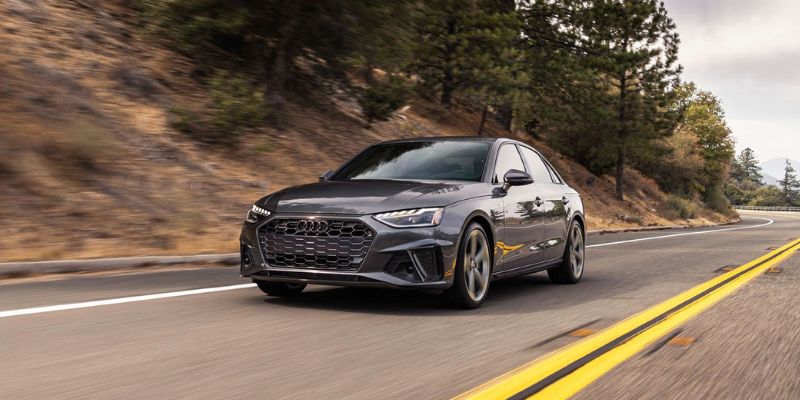
2026 Honda Civic Hybrid vs 2025 Hyundai Elantra N — Complete Buyer Guide

The 2026 Honda Civic Hybrid vs 2025 Hyundai Elantra N is one of the most compelling head-to-head matchups in the compact sedan segment for 2026. Whether you are a daily commuter seeking maximum fuel efficiency or an enthusiast craving track-ready performance, these two vehicles represent opposite ends of the compact car spectrum—yet both deliver exceptional value in their respective categories. This comprehensive buyer guide breaks down every critical specification, performance metric, safety rating, pricing detail, and ownership consideration to help you make the right decision.
Table of Contents
- Powertrain and Performance Comparison
- Fuel Economy and Efficiency
- Pricing, Trims, and Value Analysis
- Interior, Technology, and Infotainment
- Safety Ratings and Crash Test Results
- Driving Dynamics and Handling
- Ownership Costs and Reliability
- Which One Should You Buy?
- Final Verdict
1. Powertrain and Performance Comparison
The powertrain is where the 2026 Honda Civic Hybrid vs 2025 Hyundai Elantra N comparison diverges most dramatically. These two vehicles are engineered for entirely different driving experiences, and understanding their mechanical differences is essential before making a purchase decision.
2026 Honda Civic Hybrid Powertrain
The 2026 Honda Civic Hybrid utilizes a sophisticated two-motor hybrid system built around a 2.0-liter Atkinson-cycle inline-four gasoline engine. This powertrain produces a combined system output of 200 horsepower and 232 lb-ft of torque, making it the most powerful hybrid in the compact sedan segment. The system pairs the gasoline engine with two electric motors and a 1.1-kWh lithium-ion battery pack, delivering power through an electro-continuously variable transmission (e-CVT) that mimics traditional gear shifts. In independent testing by MotorTrend, the Civic Hybrid accelerated from 0-60 mph in just 6.1 seconds—quicker than the Toyota Prius Limited (7.5 seconds) and the Hyundai Elantra Hybrid (8.7 seconds). The hybrid system operates primarily on electric power at low speeds, with the gasoline engine engaging at higher speeds or under heavy throttle demand. Drivers can select between Econ, Normal, Sport, and Individual drive modes to tailor throttle response, steering weight, and regenerative braking intensity.
2025 Hyundai Elantra N Powertrain
The 2025 Hyundai Elantra N is a purpose-built performance machine powered by a 2.0-liter turbocharged inline-four engine producing 276 horsepower and 289 lb-ft of torque. For DCT-equipped models, Hyundai offers the N Grin Shift (NGS) overboost function, which temporarily increases output to 286 horsepower for 20-second bursts before requiring a 40-second cooldown period. The Elantra N is available with two transmission options: a six-speed manual transmission with rev-matching, or an eight-speed wet dual-clutch automatic (DCT) with paddle shifters. In Car and Driver testing, the DCT-equipped Elantra N reached 60 mph in a blistering 4.8 seconds—faster than the Honda Civic Type R and on par with significantly more expensive sports cars. The manual transmission variant is slightly slower, with 0-60 times ranging from 5.1 to 5.4 seconds. Power is routed to the front wheels through an electronic limited-slip differential (e-LSD), and the N Corner Carving Differential maximizes traction during aggressive cornering.
Performance at a Glance
| Specification | 2026 Honda Civic Hybrid | 2025 Hyundai Elantra N (DCT) |
|---|---|---|
| Engine | 2.0L Atkinson-cycle I4 + dual electric motors | 2.0L turbocharged inline-four |
| Horsepower | 200 hp (combined system) | 276 hp (286 hp with NGS) |
| Torque | 232 lb-ft | 289 lb-ft @ 2,100 rpm |
| Transmission | e-CVT (electro-CVT) | 8-speed wet DCT or 6-speed manual |
| Drivetrain | Front-wheel drive | Front-wheel drive with e-LSD |
| 0-60 mph | 6.1 seconds | 4.8 seconds |
| Quarter Mile | 15.0 sec @ 91 mph | 13.4 sec @ 106 mph |
| Top Speed | 114 mph (governed) | 155 mph (estimated) |
| Braking (70-0 mph) | 174 feet | 161 feet |
| Skidpad Grip | 0.85 g | 0.96 g |
Verdict: The Elantra N dominates in raw performance metrics, offering 76 more horsepower, significantly quicker acceleration, and superior track capability. However, the Civic Hybrid delivers surprisingly brisk acceleration for a hybrid and offers instant electric torque that makes city driving feel responsive and effortless.
2. Fuel Economy and Efficiency
Fuel economy is arguably the most critical factor for many compact sedan buyers, and this is where the 2026 Honda Civic Hybrid vs 2025 Hyundai Elantra N comparison reveals the starkest contrast.
2026 Honda Civic Hybrid EPA Ratings
The 2026 Honda Civic Hybrid sedan achieves an EPA-estimated 50 mpg city, 47 mpg highway, and 49 mpg combined. The hatchback variant is slightly less efficient at 48 mpg combined. In real-world testing by Car and Driver, a Civic Hybrid Sport Touring sedan achieved 47 mpg on their 75-mph highway fuel economy test—matching its EPA highway rating. The hybrid system recovers energy through regenerative braking, and drivers can adjust regenerative intensity using steering wheel-mounted deceleration selectors. With a 10.6-gallon fuel tank, the Civic Hybrid offers an estimated driving range of approximately 519 miles per tank. The vehicle runs on regular unleaded gasoline, keeping fuel costs minimal.
2025 Hyundai Elantra N EPA Ratings

The 2025 Hyundai Elantra N is EPA-rated at 20 mpg city, 27 mpg highway, and 23 mpg combined for the DCT-equipped model. The manual transmission variant fares slightly better at 21 mpg city and 29 mpg highway. However, real-world testing has shown the Elantra N can exceed EPA estimates on the highway—Car and Driver recorded 37 mpg in their 75-mph highway test with the automatic and 32 mpg with the manual. The Elantra N requires premium unleaded fuel (91 octane or higher recommended for maximum performance), which increases operating costs. With a 12.4-gallon fuel tank, the DCT model offers approximately 285 miles of city range or 335 miles of highway range.
Annual Fuel Cost Comparison
| Metric | 2026 Honda Civic Hybrid | 2025 Hyundai Elantra N (DCT) |
|---|---|---|
| EPA Combined MPG | 49 mpg | 23 mpg |
| City MPG | 50 mpg | 20 mpg |
| Highway MPG | 47 mpg | 27 mpg |
| Fuel Type | Regular unleaded | Premium unleaded (recommended) |
| Fuel Tank Capacity | 10.6 gallons | 12.4 gallons |
| Estimated Range (Combined) | ~519 miles | ~285 miles |
| Annual Fuel Cost (est.) | ~$1,400 | ~$2,900 |
Verdict: The Civic Hybrid is the clear winner for fuel economy, delivering more than double the combined MPG of the Elantra N while running on cheaper regular fuel. Over five years, Civic Hybrid owners could save approximately $7,500 in fuel costs compared to Elantra N owners.
3. Pricing, Trims, and Value Analysis
Understanding the pricing structure and value proposition of each vehicle is crucial for budget-conscious buyers.
2026 Honda Civic Hybrid Pricing
The 2026 Honda Civic Hybrid is available in two primary trim levels in the United States:
- Sport Hybrid: Starting at $29,295 USD ($37,055 CAD)
- Sport Touring Hybrid: Starting at $32,295 USD ($40,555 CAD)
The price premium over the non-hybrid Civic Sport is less than $2,000, making the hybrid powertrain an exceptionally compelling value proposition. The Sport Hybrid comes well-equipped with 18-inch alloy wheels, LED headlights and taillights, a 7-inch touchscreen with wired Apple CarPlay and Android Auto, and the full Honda Sensing safety suite. The Sport Touring Hybrid upgrades to a 9-inch touchscreen with wireless smartphone integration, a 10.2-inch digital instrument cluster, Bose premium audio, leather-trimmed seats, and additional convenience features.
2025 Hyundai Elantra N Pricing
The 2025 Hyundai Elantra N is offered in a single well-equipped trim with two transmission choices:
- Elantra N (6-speed manual): Starting at $35,100 USD ($35,595 with destination)
- Elantra N (8-speed DCT): Starting at $36,600 USD ($37,095 with destination)
For 2026, Hyundai introduced the limited-production Elantra N TCR Edition, which adds forged wheels, upgraded four-piston monoblock front brakes, a massive adjustable rear wing, Alcantara interior accents, and blue seatbelts for approximately $3,500 more than the standard model. The Elantra N comes standard with 19-inch forged wheels, Michelin Pilot Sport 4S summer tires, N adaptive dampers, an e-LSD, and a comprehensive technology package including dual 10.25-inch displays, Bose premium audio, and Hyundai’s full suite of driver assistance features.
Value Comparison
| Factor | 2026 Honda Civic Hybrid | 2025 Hyundai Elantra N |
|---|---|---|
| Base MSRP (USD) | $29,295 | $35,100 |
| Top Trim MSRP (USD) | $32,295 | $36,600 (DCT) |
| Price Difference | $5,805 less | $5,805 more |
| 5-Year Fuel Savings | ~$7,500 | Baseline |
| Insurance (5-year est.) | ~$5,500 | ~$6,682 |
| Depreciation (5-year est.) | Moderate | ~$16,451 |
| Warranty | 3 years/36,000 miles basic | 5 years/60,000 miles basic; 10 years/100,000 miles powertrain |
Verdict: The Civic Hybrid offers superior value for buyers prioritizing low operating costs and daily practicality. The Elantra N commands a higher purchase price but delivers exceptional performance value, undercutting the Honda Civic Type R by over $10,000 while offering comparable acceleration. Hyundai’s industry-leading 10-year/100,000-mile powertrain warranty also provides peace of mind for performance-oriented buyers.
4. Interior, Technology, and Infotainment
Both vehicles offer modern, well-appointed interiors, but their design philosophies cater to different buyer priorities.
2026 Honda Civic Hybrid Interior
The Civic Hybrid’s cabin features Honda’s clean, minimalist design language with a full-width honeycomb mesh air vent treatment that has become a signature element of this generation. The interior is quiet and refined, thanks to additional sound deadening specific to hybrid models. The Sport Hybrid comes with a 7-inch touchscreen display and wired Apple CarPlay and Android Auto, while the Sport Touring Hybrid upgrades to a 9-inch touchscreen with wireless connectivity, a 10.2-inch digital instrument cluster, and an 8-speaker Bose premium audio system. The front seats are comfortable for long drives, though some reviewers note the lack of lumbar support adjustment. Passenger volume measures 99 cubic feet, with 14.8 cubic feet of trunk space in the sedan and 25 cubic feet in the hatchback. The rear seats offer adequate legroom for adults, though there are no climate vents for second-row passengers—a minor oversight.
2025 Hyundai Elantra N Interior
The Elantra N’s interior is unabashedly driver-focused, featuring a left-canted center stack, aggressively bolstered leather-trimmed sport seats, metal pedals, and a unique steering wheel with N-mode buttons. The dual 10.25-inch displays—integrated under a single continuous glass panel—include a central touchscreen and a customizable digital instrument cluster that can display track-focused data such as coolant temperature, turbo boost pressure, torque output, a G-force meter, and oil temperature. The Bose 8-speaker premium audio system comes standard, and the N Sound Symposer uses Active Sound Design to enhance engine notes through the interior speakers (which can be disabled for quieter cruising). Passenger volume is 99 cubic feet, matching the Civic, while trunk space measures 14.2 cubic feet. The Elantra N offers more rear legroom than the Honda Civic Type R, Civic Si, Volkswagen Golf GTI, and Toyota GR Corolla.
Technology Comparison
| Feature | 2026 Honda Civic Hybrid | 2025 Hyundai Elantra N |
|---|---|---|
| Base Touchscreen | 7-inch (Sport Hybrid) | 10.25-inch |
| Upgraded Touchscreen | 9-inch (Sport Touring) | 10.25-inch (standard) |
| Digital Instrument Cluster | 10.2-inch (Sport Touring) | 10.25-inch (standard) |
| Apple CarPlay/Android Auto | Wired (base) / Wireless (Touring) | Wired (standard) |
| Premium Audio | Bose (Sport Touring) | Bose (standard) |
| Wireless Charging | Available | Available |
| Head-Up Display | Not available | Not available |
| Google Built-In | Available (Sport Touring) | Not available |
Verdict: The Elantra N offers a more engaging, performance-oriented interior with superior standard technology and track-focused displays. The Civic Hybrid prioritizes simplicity and refinement, with the Sport Touring Hybrid closing the technology gap significantly.
5. Safety Ratings and Crash Test Results
Safety is a non-negotiable priority for most compact sedan buyers, and both vehicles offer robust protection—though with notable differences in ratings and available features.
2026 Honda Civic Hybrid Safety
The 2026 Honda Civic Hatchback earned a TOP SAFETY PICK rating from the Insurance Institute for Highway Safety (IIHS), while the Civic Sedan received the same designation. The Civic achieved “Good” ratings in the rigorous small overlap front, updated moderate overlap front, and updated side crash tests—the latter involving 82% more crash energy than the original test. The Civic also earned an “Acceptable” rating for front crash prevention (vehicle-to-vehicle) and pedestrian crash prevention. Every Civic comes standard with the Honda Sensing suite, which includes Collision Mitigation Braking with Pedestrian Detection, Forward Collision Warning, Road Departure Mitigation with Lane Departure Warning, Lane Keeping Assist System, and Adaptive Cruise Control. The Honda Advanced Compatibility Engineering (ACE) body structure is designed to protect occupants in a wide variety of frontal collisions, and the vehicle includes front, side, knee, and side-curtain airbags.
2025 Hyundai Elantra N Safety
The 2025 Hyundai Elantra N includes a comprehensive suite of safety features, including Blind Spot Monitoring, Lane Departure Warning, Pre-Collision Safety System, Post-Collision Safety System, Stability Control, and a Back-Up Camera. IIHS testing of the standard Elantra (not the N specifically) showed “Good” ratings in small overlap front driver-side and passenger-side tests, moderate overlap front tests, and side impact tests. However, the Elantra N notably does not offer adaptive cruise control—a surprising omission for a vehicle in this price range. The standard Elantra N Line received “Good” ratings in most IIHS categories, though the updated moderate overlap front test yielded a “Marginal” rating for rear passenger protection.
Safety Feature Comparison
| Feature | 2026 Honda Civic Hybrid | 2025 Hyundai Elantra N |
|---|---|---|
| IIHS Rating | TOP SAFETY PICK | Good (based on standard Elantra) |
| NHTSA Overall | 5-Star (based on 2024-2025 testing) | Not fully tested |
| Adaptive Cruise Control | Standard | Not available |
| Lane Keeping Assist | Standard | Standard |
| Blind Spot Monitoring | Standard (Sport Touring) | Standard |
| Automatic Emergency Braking | Standard | Standard |
| Rear Cross-Traffic Alert | Standard (Sport Touring) | Standard |
| Airbags | Front, side, knee, curtain | Front, side, curtain |
Verdict: The Civic Hybrid holds a slight edge in formal safety ratings and offers adaptive cruise control as standard equipment—a feature conspicuously absent from the Elantra N. Both vehicles provide robust occupant protection, but the Civic’s IIHS TOP SAFETY PICK designation and comprehensive Honda Sensing suite give it the advantage for safety-conscious buyers.
6. Driving Dynamics and Handling
How these vehicles feel from behind the wheel could not be more different, and your driving preferences will largely determine which is the better fit.
2026 Honda Civic Hybrid Driving Experience
The Civic Hybrid delivers a refined, composed driving experience that belies its economy-car roots. Honda tuned the steering and suspension to be more engaging than the average commuter car, with a sporty MacPherson strut front suspension and multi-link rear setup. The hybrid powertrain provides smooth, torque-rich acceleration from a standstill thanks to the electric motors, and the e-CVT operates with minimal droning thanks to simulated gear shifts. Four levels of regenerative braking deceleration are available through steering wheel paddles, allowing drivers to customize energy recovery. The Civic Hybrid is not a sports car, but it handles twisty roads with confidence, posting 0.85 g on the skidpad—respectable for a hybrid. Road noise, historically a Civic weakness, is well-controlled in hybrid models thanks to additional sound insulation. The ride quality is comfortable for daily commuting, and the compact dimensions make parking and urban maneuvering effortless.
2025 Hyundai Elantra N Driving Experience
The Elantra N is a track weapon disguised as a compact sedan. Hyundai’s N division—led by former BMW M engineers—tuned every aspect of this car for maximum engagement. The N Adaptive Damper system offers three settings, with the stiffest Sport+ mode delivering spine-cracking precision that rivals dedicated sports cars. The electronic limited-slip differential allows drivers to apply full throttle before corner exit without wheelspin, and the integrated drive axle front suspension design effectively mitigates torque steer despite the high power output. The steering is direct, communicative, and perfectly weighted, with a ratio that delights enthusiasts. The 14.2-inch front ventilated brake rotors provide massive stopping power, and the forged 19-inch wheels shod with Michelin Pilot Sport 4S summer tires deliver extraordinary grip—0.96 g on the skidpad, matching some supercars. The variable exhaust valve system produces pops, bangs, and crackles in Sport and N modes, while the N Sound Symposer amplifies engine notes in the cabin. Four drive modes (Normal, Sport, N, and N Custom) allow granular control over engine, transmission, suspension, e-LSD, and exhaust settings.
Verdict: The Elantra N is in a different league for driving engagement, offering a level of precision, feedback, and track capability that the Civic Hybrid cannot match. However, the Civic Hybrid provides a more comfortable, refined daily driving experience that will appeal to buyers who prioritize relaxation over adrenaline.
7. Ownership Costs and Reliability
Long-term ownership costs extend far beyond the purchase price, encompassing fuel, insurance, maintenance, depreciation, and reliability.
2026 Honda Civic Hybrid Ownership Costs
The Civic Hybrid benefits from Honda’s legendary reliability reputation and the inherent durability of hybrid powertrains. The 2.0-liter Atkinson-cycle engine operates at lower stress levels than conventional engines, and the hybrid system requires no scheduled tune-ups until 100,000 miles. Honda offers a 3-year/36,000-mile basic warranty and a 5-year/60,000-mile powertrain warranty. The hybrid battery is covered by an 8-year/100,000-mile warranty. Annual maintenance costs are estimated at $400-$500, and insurance premiums are moderate for the segment. Depreciation is expected to be average for a Honda, with strong resale value supported by the brand’s reputation. The EPA estimates annual fuel costs at approximately $1,400 based on 15,000 miles of driving.
2025 Hyundai Elantra N Ownership Costs
The Elantra N comes with Hyundai’s industry-leading warranty coverage: a 5-year/60,000-mile basic warranty and a 10-year/100,000-mile powertrain warranty. Reliability ratings are strong, with J.D. Power scoring the Elantra lineup at 86/100, Kelley Blue Book giving it 4.2/5, and RepairPal rating it 4.5/5.0—better than average for new cars. However, ownership costs are higher than the Civic Hybrid due to several factors: premium fuel requirement, higher insurance premiums (estimated at $6,682 over five years), and more expensive performance tires and brake components. Depreciation is estimated at $16,451 over five years, and fuel costs over the same period are projected at $14,504. The performance-oriented nature of the vehicle also means more frequent tire replacements and brake service if driven aggressively. Annual maintenance costs range from $600-$800.
5-Year Ownership Cost Projection
| Cost Factor | 2026 Honda Civic Hybrid | 2025 Hyundai Elantra N |
|---|---|---|
| Purchase Price (base) | $29,295 | $35,100 |
| Fuel (5 years) | ~$7,000 | ~$14,504 |
| Insurance (5 years) | ~$5,500 | ~$6,682 |
| Depreciation (5 years) | ~$12,000 | ~$16,451 |
| Maintenance (5 years) | ~$2,500 | ~$3,500 |
| Total 5-Year Cost | ~$56,295 | ~$76,237 |
Verdict: The Civic Hybrid is significantly cheaper to own over five years, with total projected costs approximately $20,000 lower than the Elantra N. The Elantra N’s higher costs are justified for enthusiasts who value performance, but budget-conscious buyers will find the Civic Hybrid far more economical.
8. Which One Should You Buy?
Choosing between the 2026 Honda Civic Hybrid vs 2025 Hyundai Elantra N ultimately depends on your lifestyle, driving habits, and priorities. Here is our recommendation framework:
Buy the 2026 Honda Civic Hybrid If:
- You have a long daily commute and prioritize fuel economy above all else
- You want a comfortable, refined daily driver with low operating costs
- You need a vehicle with top-tier safety ratings and advanced driver assistance
- You prefer a quiet cabin and smooth power delivery
- You want to minimize your environmental impact without sacrificing practicality
- You value Honda’s reputation for long-term reliability and resale value
- You need a versatile vehicle for family duties and errands
Buy the 2025 Hyundai Elantra N If:
- You are a driving enthusiast who values steering feel, chassis balance, and track capability
- You want the most engaging compact sedan under $40,000
- You appreciate the tactile feedback of a manual transmission (or lightning-fast DCT shifts)
- You plan to attend track days, autocross events, or spirited backroad drives
- You want a vehicle that stands out with aggressive styling and an exhilarating exhaust note
- You value Hyundai’s industry-leading 10-year/100,000-mile powertrain warranty
- You are willing to accept higher fuel and maintenance costs for superior performance
9. Final Verdict
The 2026 Honda Civic Hybrid vs 2025 Hyundai Elantra N comparison is not about determining a single winner—it is about identifying which vehicle aligns with your specific needs. The Civic Hybrid is a masterclass in efficiency and everyday usability, delivering 49 mpg combined, a comfortable ride, top safety ratings, and a surprisingly peppy 200-horsepower hybrid powertrain. It is the rational choice for the vast majority of compact sedan buyers, offering exceptional value and low long-term ownership costs.
The Elantra N, by contrast, is a love letter to driving enthusiasts. It sacrifices fuel economy and ride comfort for unfiltered performance, delivering acceleration, handling, and track capability that rival cars costing twice as much. For buyers who view driving as a passion rather than a chore, the Elantra N offers an experience that no hybrid commuter can replicate.
Our final recommendation: If you are buying one car to do everything—commute, road trip, haul family, and minimize costs—choose the 2026 Honda Civic Hybrid Sport Touring. If you are buying a second car, a weekend toy, or simply refuse to compromise on driving engagement, choose the 2025 Hyundai Elantra N with the DCT (or manual, if you are a purist). Both are exceptional vehicles that excel in their respective missions, and neither will disappoint its intended audience.
Quick Reference Summary
| Category | Winner | Notes |
|---|---|---|
| Acceleration | Hyundai Elantra N | 4.8s vs 6.1s 0-60 mph |
| Fuel Economy | Honda Civic Hybrid | 49 vs 23 mpg combined |
| Purchase Price | Honda Civic Hybrid | $5,805 less at base |
| 5-Year Ownership Cost | Honda Civic Hybrid | ~$20,000 less |
| Safety Ratings | Honda Civic Hybrid | IIHS TOP SAFETY PICK |
| Driving Engagement | Hyundai Elantra N | Track-ready precision |
| Interior Technology | Hyundai Elantra N | Standard 10.25″ dual screens |
| Warranty Coverage | Hyundai Elantra N | 10-year/100k powertrain |
| Daily Comfort | Honda Civic Hybrid | Quieter, smoother ride |
| Track Capability | Hyundai Elantra N | Lightning Lap proven |
Last Updated: June 2026. All specifications and pricing are based on manufacturer data and independent testing. Always verify current pricing and availability with your local dealer before making a purchase decision.


2026 Acura Integra vs 2026 BMW 3-Series Buyer Guide

2026 Acura Integra vs 2025 Audi A4 Buyer Guide

2026 Honda Civic Type R vs 2026 Mazda Mazda3

New IRS Scam Uses AI Voice Cloning to Target Taxpayers