2026 Honda Civic Type R vs 2026 Honda Civic
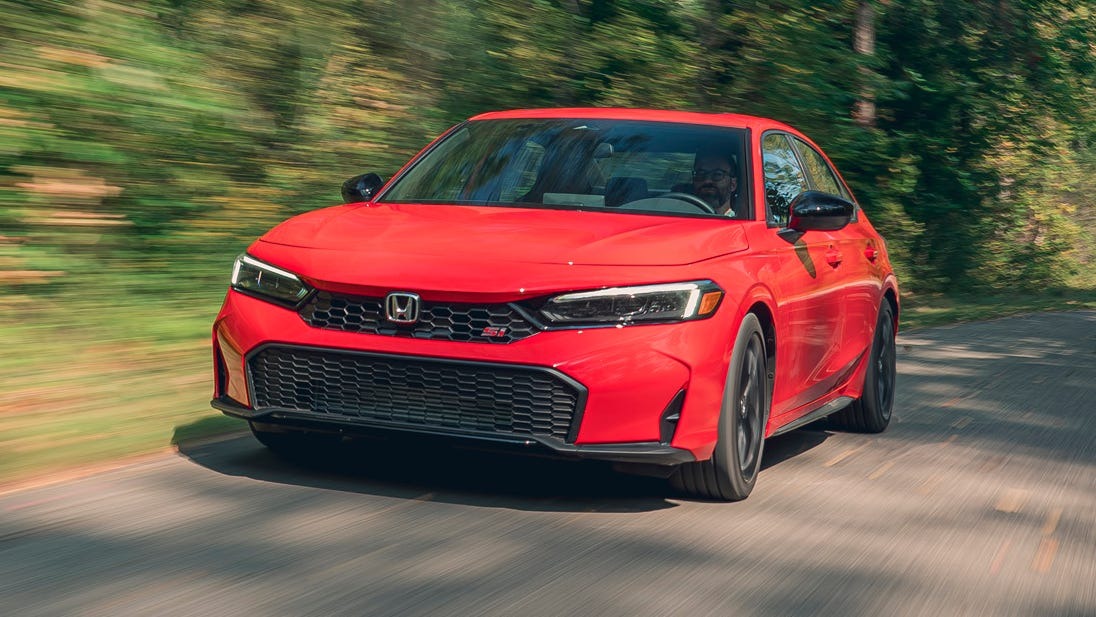
The Standard Bearer: 2026 Honda Civic

Overview and Positioning
The 2026 Honda Civic enters the model year as a carryover from the significant 2025 refresh that introduced hybrid powertrains, updated styling, and enhanced technology. Available in both sedan and hatchback body styles, the Civic continues to compete against the Toyota Corolla, Mazda 3, Hyundai Elantra, and Kia K4 in the compact segment. With a starting price around $25,890, it remains one of the most compelling values in its class, though Edmunds notes it commands a slight premium over some rivals that is justified by superior performance, fuel economy, and interior quality.
The Civic’s 11th generation, introduced for 2022, brought a more mature, refined aesthetic to the nameplate—moving away from the aggressive, angular styling of the 10th generation toward something cleaner and more premium. The 2025 refresh refined this further with a wider lower air intake, thinner corner air intakes, revised upper grille styling, and fresh wheel designs that gave the car a lower, more planted visual stance.
Powertrain Options: Efficiency Meets Adequacy
1. The Base 2.0-Liter Engine The entry-level Civic is powered by a naturally aspirated 2.0-liter four-cylinder engine producing 158 horsepower and 138 lb-ft of torque. Paired with a continuously variable transmission (CVT), this engine prioritizes fuel economy and smoothness over excitement. The EPA estimates up to 36 mpg combined for this configuration, making it an ideal choice for budget-conscious commuters. However, Edmunds notes that this base engine “lacks power,” a sentiment that becomes apparent during highway merging or when the car is loaded with passengers and cargo.
2. The Hybrid Powertrain (The Sweet Spot) The most significant development for the Civic lineup in recent years has been the reintroduction of a hybrid powertrain, following Honda’s decision to discontinue the Insight and fold electrification back into its core compact car. The Civic Hybrid combines a 2.0-liter Atkinson-cycle four-cylinder with two electric motors to produce a robust 200 horsepower and 232 lb-ft of torque—matching the output of the sporty Civic Si but with significantly better low-end torque delivery.
This powertrain is not merely about efficiency; it transforms the Civic’s character. The instant torque from the electric motors provides responsive acceleration from a standstill, while the EPA-estimated 49 mpg combined rating makes it one of the most efficient non-plug-in compacts on the market. In real-world testing, Edmunds confirmed they achieved 49 mpg, validating Honda’s claims. The hybrid is available in both sedan and hatchback forms, with hybrid-specific spring and damper tuning, a noise reduction package, and unique visual cues including body-colored headlamp garnish and a front lower spoiler.
Interior, Technology, and Practicality
The 2026 Civic’s interior continues to set the benchmark for the compact segment. Honda’s “simplicity and something” design philosophy manifests in a clean, horizontal dashboard layout with high-quality materials that wouldn’t look out of place in a vehicle from a premium brand. The standard 7-inch touchscreen (with a 9-inch unit available on higher trims) runs Honda’s latest infotainment system, which includes standard wireless Apple CarPlay and Android Auto on the larger screen, along with available Google Built-In technology that brings Google Assistant, Maps, and the Play Store directly to the vehicle.
Practicality remains a Civic hallmark. The sedan offers 14.8 cubic feet of trunk space—more than the hybrid versions of the Hyundai Elantra and Toyota Corolla—and the hatchback expands this to 24.5 cubic feet behind the rear seats, surpassing even the Toyota Prius. The 60/40 split-folding rear seats provide versatility for larger cargo, while the cabin offers generous headroom and legroom for four adults. Small-item storage is well-considered, with a large center console armrest featuring a removable tray.
Safety technology is comprehensive across all trims, with the Honda Sensing suite standard equipment. This includes forward collision warning with automatic emergency braking, lane-keeping assist, adaptive cruise control, road sign recognition, and automatic high beams. While Edmunds notes that Honda’s adaptive cruise control isn’t as smooth as Toyota’s system, the overall package provides peace of mind for daily driving.
The Civic Experience: A Master of Normal
The Apex Predator: 2026 Honda Civic Type R

Overview and Philosophy
If the standard Civic is a Swiss Army knife, the 2026 Honda Civic Type R is a katana—single-purpose, obsessively refined, and devastatingly effective. The Type R carries forward unchanged from its 2023 introduction as the FL5 generation, representing the pinnacle of Honda’s factory performance engineering. With a starting price of $48,090 (including destination), it costs nearly double the base Civic, yet it offers an experience that no amount of options or accessories can approximate in its lesser sibling.
Powertrain: Turbocharged Fury
At the heart of the Type R is a turbocharged and intercooled 2.0-liter VTEC inline-four producing 315 horsepower at 6,500 rpm and 310 lb-ft of torque at 2,600 rpm. These figures, while impressive on paper, fail to convey the engine’s character. Unlike the hybrid Civic’s seamless electric torque delivery, the Type R demands commitment. It requires the driver to climb past 3,000 rpm to awaken the turbocharger’s full fury, with the power building in a crescendo that peaks at the 7,000 rpm redline.
The transmission is a six-speed manual—the only option—and it is one of the finest gearboxes in production. The short-throw shift mechanism features a Type R-exclusive linkage that makes every engagement feel like a precision instrument clicking into place. Rev-match control is standard, blipping the throttle during downshifts to synchronize engine and vehicle speeds, though purists can disable this for heel-toe practice. The aluminum shift knob, while aesthetically pleasing, requires caution on hot summer days—a small price for tactile excellence.
Power is routed exclusively to the front wheels, a configuration that would seem compromised in an era of all-wheel-drive hot hatches. Yet Honda has largely negated the traditional drawbacks of high-power front-wheel drive through engineering ingenuity. The Type R’s 0-60 mph time of 4.9 seconds, as tested by Car and Driver, places it firmly in sports car territory, quicker than a manual Hyundai Elantra N and within striking distance of vehicles costing significantly more.
Chassis and Handling: Defying Physics
The Type R’s most impressive achievements lie not in straight-line acceleration but in cornering capability. The front suspension utilizes a unique dual-axis MacPherson strut design that separates the steering axis from the damper axis, virtually eliminating torque steer—the tendency of powerful front-drive cars to tug at the steering wheel under acceleration. This system, combined with a helical limited-slip differential, allows the Type R to put its power down with a precision that challenges rear-wheel-drive sports cars.
The adaptive damper system offers four distinct modes: Comfort, Sport, Individual, and +R. In Comfort, the Type R is surprisingly civilized, absorbing urban imperfections with a compliance that belies its track-day credentials. Sport tightens the responses for spirited road driving. +R mode, however, transforms the car into a track weapon, with damping rates, steering weight, throttle response, and exhaust valve positioning all optimized for circuit use. The Individual mode allows drivers to mix and match settings—combining, for example, +R engine response with Comfort dampers for aggressive driving on imperfect roads.
The braking system features four-piston Brembo calipers clamping 13.8-inch two-piece front rotors, providing fade-resistant stopping power that Car and Driver measured at 153 feet from 70 mph and 308 feet from 100 mph. The Michelin Pilot Sport 4S tires—265/30ZR-19—provide extraordinary grip, contributing to a 300-foot skidpad figure of 1.02 g, a number that rivals dedicated sports cars.
Australian publication Chasing Cars perhaps best summarized the Type R’s dynamic capabilities, noting that “what Honda has achieved with this front-drive small car is astounding” and that the car rewards “the sort of delicate, considered inputs that make a Porsche 911 or Cayman dance.” The front-end grip is so tenacious, they noted, that drivers will “feel your organs rearrange inside” during hard cornering.
Aerodynamics and Design: Function as Fashion
The Type R’s visual aggression is not merely aesthetic posturing; every element serves an aerodynamic or cooling purpose. The grille opening is 48% larger than the previous-generation Type R, feeding air to a hood vent that maximizes engine cooling while minimizing drag. Optimized brake ducts keep the front rotors cool during repeated heavy braking, while side underbody spoilers, front fender outlets, and integrated rear fenders manage airflow around the wheels for stability. The die-cast aluminum rear wing stays support a track-tested spoiler that generates meaningful downforce, while the rear diffuser manages airflow exit.
The 19-inch matte-black alloy wheels feature a reverse rim design for enhanced high-speed stability, and the all-resin hatch is 20% lighter than a conventional steel unit. The Type R is available in Sonic Gray Pearl, Boost Blue Pearl, Championship White, Crystal Black Pearl, and Rallye Red, with Championship White carrying a $395 premium as a nod to Honda’s racing heritage.
Interior: The Cockpit of a Champion
Inside, the Type R balances its performance mission with surprising practicality. The heavily bolstered front sport seats, upholstered in synthetic suede, provide exceptional lateral support during cornering while remaining comfortable enough for daily use. The digital instrument cluster changes its display based on drive mode, with +R mode featuring an LED shift light array above the screen to help drivers time upshifts without diverting their eyes from the road.
Rear passenger space is identical to the standard Civic hatchback, offering genuine room for two adults (the Type R deletes the center rear seat in favor of cupholders, limiting capacity to four passengers). Cargo capacity is similarly generous, with Car and Driver fitting seven carry-on suitcases behind the rear seats and 20 with the seats folded. This practicality is part of the Type R’s genius—it is a car that can set lap records on Sunday and haul IKEA furniture on Monday.
Technology includes a 9-inch touchscreen with wireless Apple CarPlay and Android Auto, a 12-speaker Bose sound system, wireless phone charging, and navigation. The Honda Sensing suite is standard, though one imagines most Type R owners are more interested in the car’s performance data screens, which display real-time G-forces, temperatures, and lap timing information.
The Type R Experience: Addiction and Compromise
Living with the Type R requires acceptance of certain compromises. The ride quality, even in Comfort mode, is firm—Car and Driver describes it as ranging from “brittle to back-breakingly rigid.” The exhaust note in +R mode has been criticized as sounding “video-game-like” compared to the visual promise of the triple-outlet exhaust. The 22/28 mpg EPA fuel economy ratings are thirsty by modern standards, and the small fuel tank (12.4 gallons) means frequent stops during enthusiastic driving.
Yet these compromises fade into irrelevance when the road turns twisty. The Type R provides a level of driver engagement that is increasingly endangered in an era of electric powertrains and autonomous assists. It demands skill and rewards precision, offering a clarity of human-machine interface that Chasing Cars compared to “$500,000 Porsche 911 GT3s.” The steering, while not overflowing with feedback, is pinpoint accurate and perfectly weighted. The brake pedal offers superb modulation. The chassis communicates grip levels with unusual transparency.
Head-to-Head: The Comparison
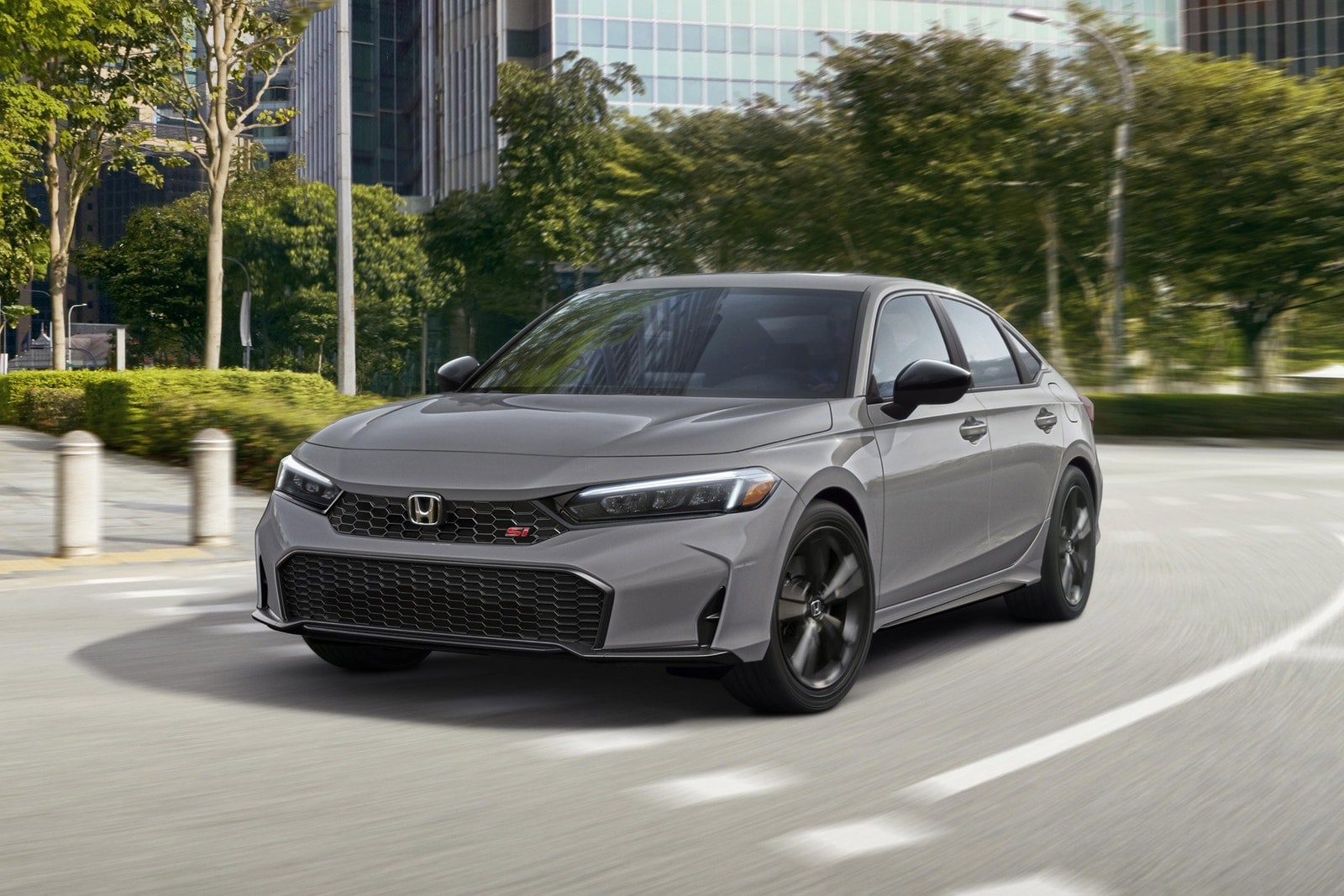
Performance and Dynamics
Table
| Specification | 2026 Honda Civic (Hybrid) | 2026 Honda Civic Type R |
|---|---|---|
| Engine | 2.0L 4-cyl + dual electric motors | 2.0L turbocharged inline-4 |
| Power | 200 hp | 315 hp |
| Torque | 232 lb-ft | 310 lb-ft |
| Transmission | E-CVT | 6-speed manual |
| Drivetrain | Front-wheel drive | Front-wheel drive |
| 0-60 mph | ~7.5 seconds (est.) | 4.9 seconds |
| Fuel Economy | 49 mpg combined | 24 mpg combined |
| Starting Price | ~$30,000 (Sport Hybrid) | $48,090 |
Practicality and Daily Living
The Type R, however, is more practical than its appearance suggests. Its cargo capacity matches the standard hatchback, its rear seats offer genuine adult space, and its Honda Sensing suite provides the same safety technology. The firm ride is tolerable in Comfort mode, and the clutch take-up is smooth enough for traffic jams. As Chasing Cars noted, it is “a pussycat in the suburbs.”
Value and Market Position
The Type R, at $48,090, is more difficult to justify on a spreadsheet. It costs nearly twice the base Civic and competes against the Volkswagen Golf R, Toyota GR Corolla, and Hyundai Elantra N—vehicles that offer all-wheel drive and, in some cases, more features for less money. The Australian market illustrates this disparity dramatically: at $79,000 drive-away, the Type R costs more than a Volkswagen Golf R ($75,990) and approaches Audi S3 pricing, yet it lacks heated seats, power adjustment, and all-wheel drive.
The Intangible Factor: Soul
Conclusion: Choosing Your Civic
The Type R is for those who refuse that acceptance. It is for the driver who wakes early on Sunday mornings to find empty canyon roads, who measures weekends in laps rather than errands, who believes that a car can be more than transportation—that it can be a source of joy, challenge, and self-expression. It is expensive, impractical, and uncompromising. It is also, according to Car and Driver, one of the 10 Best cars of 2026, a recognition that transcends categories and speaks to the Type R’s fundamental excellence.
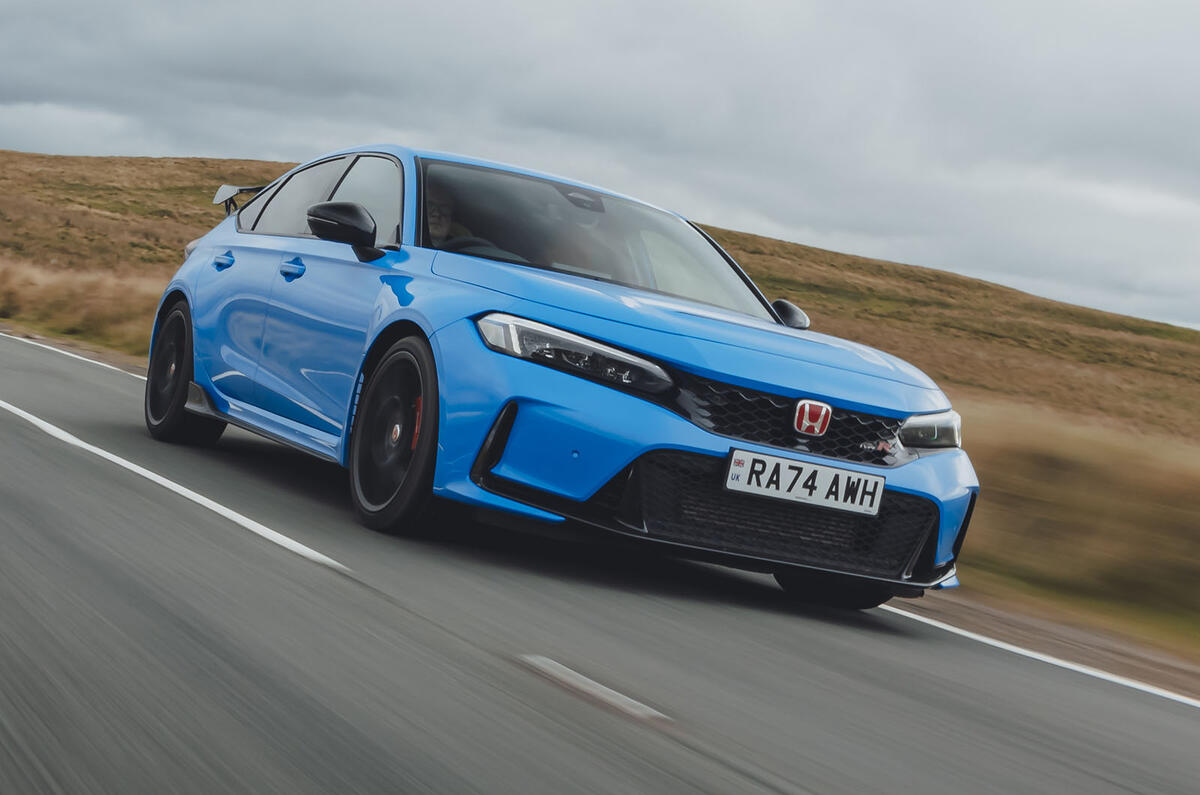
2026 Honda Civic Type R vs 2026 Mazda Mazda3
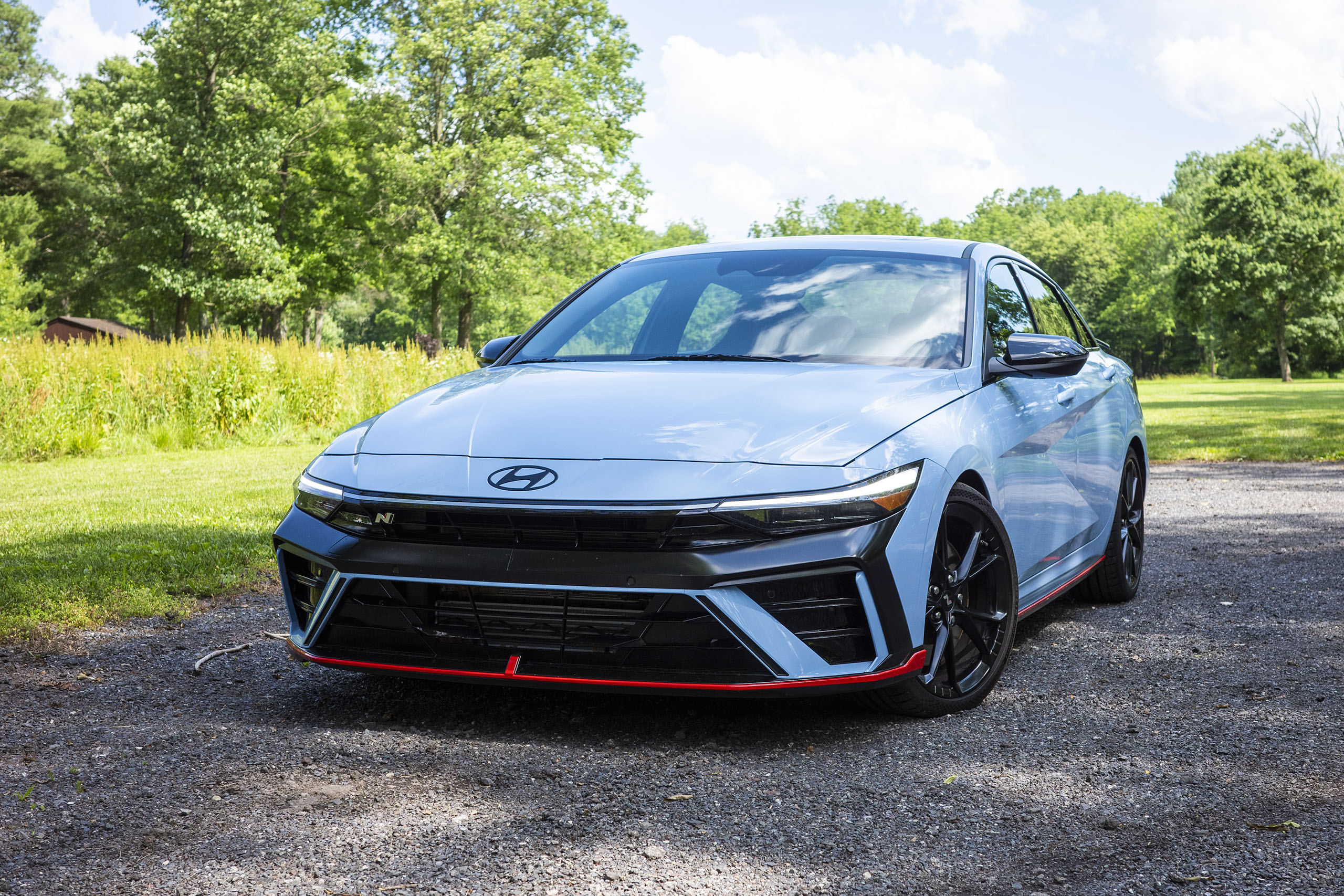
2025 Hyundai Elantra N vs 2026 Mazda Mazda3 Buyer Guide
2025 Audi A4 vs Mercedes-Benz C-Class Buyer Guide
2026 Honda Civic vs 2025 Hyundai Elantra N

New IRS Scam Uses AI Voice Cloning to Target Taxpayers
2025 Audi A4 vs 2026 BMW 3-Series Buyer Guide

