2026 Honda Civic Hybrid vs 2026 Mazda Mazda3 Buyer’s Guide
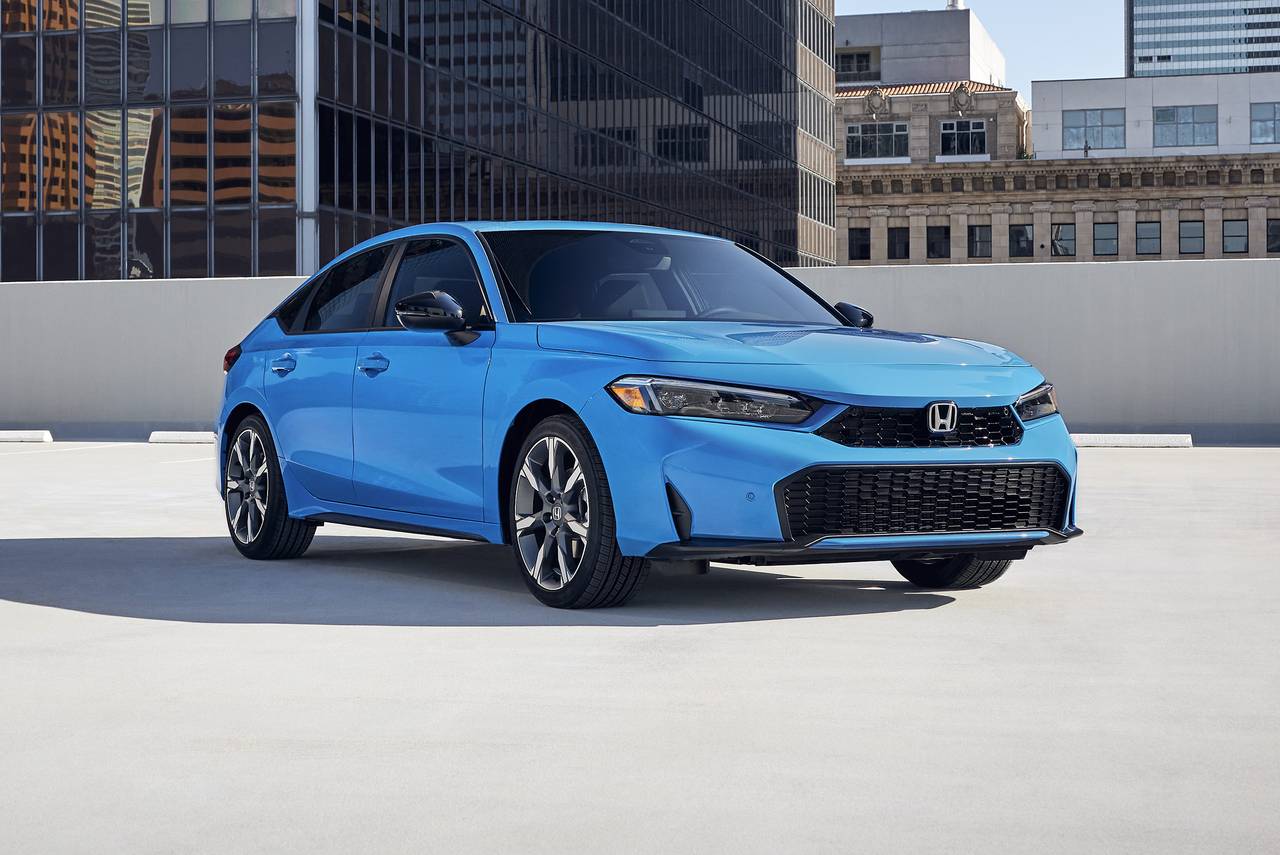
The 2026 Honda Civic Hybrid vs 2026 Mazda Mazda3 is one of the most debated comparisons in the compact car segment this year. If you are shopping for a new compact sedan or hatchback in 2026, chances are these two names have landed on your shortlist. Both vehicles deliver exceptional value, but they approach the compact car formula from fundamentally different angles. The 2026 Honda Civic Hybrid prioritizes fuel efficiency, hybrid technology, and Honda’s legendary reliability, while the 2026 Mazda Mazda3 leans into premium design, engaging driving dynamics, and available all-wheel drive. This comprehensive buyer’s guide breaks down every critical category—from pricing and performance to safety and technology—to help you make the most informed purchase decision possible.
Table of Contents
- Pricing and Value
- Performance and Powertrain
- Fuel Economy and Efficiency
- Interior Quality and Technology
- Safety Ratings and Features
- Cargo Space and Practicality
- Driving Experience and Handling
- Reliability and Warranty
- Final Verdict: Which One Should You Buy?
- Frequently Asked Questions
1. Pricing and Value
When comparing the 2026 Honda Civic Hybrid vs 2026 Mazda Mazda3, pricing is often the first factor buyers evaluate. Both vehicles occupy the compact car segment but target slightly different budgets and value propositions.
2026 Honda Civic Hybrid Pricing
The 2026 Honda Civic Hybrid is available in both sedan and hatchback body styles, with two hybrid-specific trims for each. In the United States, the Civic Hybrid sedan starts at approximately $29,300 for the Sport Hybrid trim and climbs to around $30,445 for the Sport Touring Hybrid. The hatchback variant commands a slight premium, starting at roughly $31,500 and reaching approximately $34,500 for the top Sport Touring Hatchback Hybrid. These prices position the Civic Hybrid as a premium offering within the Civic lineup, sitting above the non-hybrid LX and Sport trims but below entry-level luxury sedans.
2026 Mazda Mazda3 Pricing
The 2026 Mazda Mazda3 offers a broader pricing spectrum. The base 2.5 S sedan starts at $24,550 (plus $1,235 destination charge), making it one of the most affordable options in the segment. The trim ladder extends through the 2.5 S Select Sport, 2.5 S Preferred, 2.5 S Carbon Edition, and culminates with the 2.5 Turbo Premium Plus at $36,740 (plus destination). The hatchback variants are priced $555 to $1,350 higher than their sedan counterparts. This wide range means the Mazda3 can undercut the Civic Hybrid by nearly $5,000 at the entry level or exceed it by several thousand dollars at the top end.
Value Analysis
For buyers focused purely on upfront cost, the base Mazda3 2.5 S presents undeniable value. However, the Civic Hybrid’s higher price tag is offset by substantial fuel savings over time, especially for high-mileage drivers. When factoring in five-year ownership costs—including fuel, maintenance, and depreciation—the Civic Hybrid often narrows or eliminates the price gap entirely. Additionally, the Civic Hybrid comes standard with Honda Sensing, a comprehensive suite of advanced safety features that requires stepping up to higher Mazda3 trims to match.
| Model | Starting MSRP (US) | Top Trim MSRP (US) | Destination Charge |
|---|---|---|---|
| 2026 Honda Civic Hybrid Sedan | ~$29,300 | ~$30,445 | $1,095 |
| 2026 Honda Civic Hybrid Hatchback | ~$31,500 | ~$34,500 | $1,095 |
| 2026 Mazda Mazda3 2.5 S | $24,550 | — | $1,235 |
| 2026 Mazda Mazda3 Turbo Premium Plus | — | $36,740 | $1,235 |
2. Performance and Powertrain
Performance is where the 2026 Honda Civic Hybrid vs 2026 Mazda Mazda3 comparison reveals the most dramatic differences. These two vehicles are engineered with entirely different philosophies under the hood.
Honda Civic Hybrid: Electrified Efficiency
The 2026 Honda Civic Hybrid employs a 2.0-liter Atkinson-cycle inline-four engine paired with Honda’s advanced two-motor hybrid system. This powertrain produces a combined 200 horsepower and 232 lb-ft of torque, with the electric motor delivering instant torque from a standstill. Power is routed through a continuously variable transmission (CVT) to the front wheels exclusively—there is no all-wheel-drive option for the hybrid. The result is surprisingly brisk acceleration for a hybrid, with 0-60 mph times estimated in the low 7-second range. The hybrid system operates seamlessly, transitioning between electric-only, hybrid, and engine-only modes with minimal driver awareness. Steering wheel-mounted deceleration selectors allow drivers to adjust regenerative braking intensity, adding a layer of engagement uncommon in mainstream hybrids.
Mazda Mazda3: Driver-Focused Engineering
The 2026 Mazda Mazda3 offers two distinct powertrains. The standard 2.5-liter Skyactiv-G four-cylinder produces 186 horsepower and 186 lb-ft of torque, paired with a six-speed automatic transmission. For enthusiasts, the available 2.5-liter turbocharged engine is the headline act. On regular 87-octane fuel, it delivers 227 horsepower and 310 lb-ft of torque; feed it premium 93-octane gasoline, and output climbs to 250 horsepower and 320 lb-ft. The turbo engine comes standard with Mazda’s i-Activ all-wheel-drive system, while the naturally aspirated engine powers the front wheels (with AWD available on select trims). A six-speed manual transmission is available on the hatchback 2.5 S Premium trim—a rarity in today’s market and a major selling point for driving purists.
Performance Verdict
In a straight-line comparison, the Mazda3 Turbo with premium fuel is the clear winner, offering sports-sedan-rivaling acceleration. However, the Civic Hybrid’s 232 lb-ft of instant electric torque makes it feel quicker than its 200 horsepower figure suggests in everyday driving scenarios. The Mazda3’s six-speed automatic is more engaging than the Civic’s CVT, and the available manual transmission gives Mazda a unique advantage. For buyers who prioritize driving engagement above all else, the Mazda3 Turbo with AWD is the enthusiast’s choice. For those who want respectable performance without sacrificing efficiency, the Civic Hybrid delivers the best of both worlds.
| Specification | 2026 Civic Hybrid | Mazda3 2.5 S | Mazda3 Turbo |
|---|---|---|---|
| Engine | 2.0L I-4 Hybrid | 2.5L I-4 | 2.5L Turbo I-4 |
| Horsepower | 200 hp | 186 hp | 227-250 hp |
| Torque | 232 lb-ft | 186 lb-ft | 310-320 lb-ft |
| Transmission | CVT | 6-speed Auto / 6-speed Manual | 6-speed Auto |
| Drivetrain | FWD | FWD / AWD | AWD |
| 0-60 mph (est.) | ~7.0 seconds | ~7.8 seconds | ~5.9 seconds |
3. Fuel Economy and Efficiency
Fuel economy is the battleground where the 2026 Honda Civic Hybrid vs 2026 Mazda Mazda3 comparison becomes most lopsided. If efficiency is your top priority, this section alone may decide your purchase.
Honda Civic Hybrid: Segment-Leading Efficiency
The 2026 Honda Civic Hybrid sedan achieves an EPA-estimated 50 mpg city, 47 mpg highway, and 49 mpg combined. The hatchback, with its slightly less aerodynamic profile, returns 50 mpg city, 45 mpg highway, and 48 mpg combined. These figures place the Civic Hybrid among the most fuel-efficient non-plug-in vehicles on the market. The hybrid’s 2.0-liter Atkinson-cycle engine is optimized for thermal efficiency, while the dual-motor system captures energy during braking and coasting. With a fuel tank capacity of approximately 10.6 gallons, the Civic Hybrid sedan can theoretically travel over 500 miles on a single tank—ideal for long commutes and road trips.
Mazda Mazda3: Respectable but Not Exceptional
The 2026 Mazda Mazda3 2.5 S sedan achieves an EPA-estimated 27 mpg city, 36 mpg highway, and 30 mpg combined. The hatchback sees a slight penalty, rated at 27 mpg city, 35 mpg highway, and 30 mpg combined. Step up to the turbocharged AWD models, and efficiency drops to 23 mpg city, 32 mpg highway, and 27 mpg combined. While these figures are competitive within the non-hybrid compact segment, they pale in comparison to the Civic Hybrid’s numbers. Over 15,000 miles of annual driving, the Civic Hybrid owner will spend significantly less at the pump—potentially saving $800 to $1,200 per year depending on local fuel prices.
Annual Fuel Cost Comparison
Assuming an average fuel price of $3.50 per gallon and 15,000 miles driven annually, the Civic Hybrid would cost approximately $1,071 in fuel per year. The Mazda3 2.5 S would cost roughly $1,750, while the Mazda3 Turbo would run about $1,944. Over a five-year ownership period, the Civic Hybrid’s fuel savings alone could offset a significant portion of its higher purchase price.
| Model | City MPG | Highway MPG | Combined MPG | Est. Annual Fuel Cost* |
|---|---|---|---|---|
| Civic Hybrid Sedan | 50 | 47 | 49 | $1,071 |
| Civic Hybrid Hatchback | 50 | 45 | 48 | $1,094 |
| Mazda3 2.5 S (FWD) | 27 | 36 | 30 | $1,750 |
| Mazda3 Turbo (AWD) | 23 | 32 | 27 | $1,944 |
4. Interior Quality and Technology
Both the 2026 Honda Civic Hybrid and 2026 Mazda Mazda3 offer interiors that punch above their price class, but they prioritize different aspects of the in-cabin experience.
Honda Civic Hybrid: Tech-Forward and Spacious
The 2026 Civic Hybrid’s interior follows Honda’s “Simplicity and Something” design philosophy. The cabin is clean, uncluttered, and remarkably spacious for a compact car. The Sport Hybrid features a 7.0-inch touchscreen with wireless Apple CarPlay and Android Auto, while the Sport Touring Hybrid upgrades to a 9.0-inch display with Google built-in, wireless charging, and a Bose 12-speaker premium audio system. The honeycomb mesh dashboard trim is a distinctive design element that spans the width of the cabin, hiding the air vents for a seamless look. Front seats are supportive and comfortable for long drives, with the Sport Touring offering power adjustment and leather upholstery. Rear seat legroom measures 37.4 inches, making the Civic one of the most accommodating compact sedans for adult passengers.
Mazda Mazda3: Near-Luxury Ambiance

Mazda has positioned the Mazda3 as a “premium mainstream” offering, and the interior reflects that ambition. Materials are consistently a half-step above the Civic, with soft-touch surfaces, available leather upholstery, and meticulous attention to panel gaps and switchgear feel. The 8.8-inch infotainment display (upgraded to 10.25 inches on higher trims) is crisp and responsive, though the rotary controller interface is less intuitive than a touchscreen for some users. The available 12-speaker Bose audio system rivals systems found in vehicles costing twice the price. However, the Mazda3’s rear seat is notably tighter, with 35.1 inches of legroom—fine for children but cramped for adults on longer journeys. The hatchback’s sloping roofline further reduces rear headroom.
Technology Comparison
The Civic Hybrid holds an advantage in standard technology. Every hybrid trim includes wireless smartphone integration, a digital instrument cluster, and the full Honda Sensing suite. The Mazda3 requires stepping up to the Preferred trim or higher to get similar connectivity features, and the infotainment system’s learning curve can frustrate first-time users. However, the Mazda3 offers features the Civic Hybrid lacks, including a head-up display, available navigation, and the aforementioned manual transmission option.
| Feature | Civic Hybrid Sport | Civic Hybrid Sport Touring | Mazda3 2.5 S | Mazda3 Turbo Premium Plus |
|---|---|---|---|---|
| Touchscreen | 7.0-inch | 9.0-inch | 8.8-inch | 10.25-inch |
| Wireless Apple CarPlay/Android Auto | Yes | Yes | No (wired) | Yes |
| Premium Audio | 8-speaker | Bose 12-speaker | 8-speaker | Bose 12-speaker |
| Wireless Charging | No | Yes | No | Yes |
| Head-Up Display | No | No | No | Yes |
| Leather Seats | Synthetic Leather | Leather | Cloth | Leather |
| Power Driver Seat | No | Yes | No | Yes |
5. Safety Ratings and Features
Safety is non-negotiable for most compact car buyers, and both the 2026 Honda Civic Hybrid and 2026 Mazda Mazda3 deliver strong results—though with different approaches to active safety technology.
Honda Sensing: Comprehensive and Standard
Every 2026 Honda Civic Hybrid comes standard with Honda Sensing, one of the most comprehensive active safety suites in the industry. This includes Collision Mitigation Braking, Road Departure Mitigation, Adaptive Cruise Control with Low-Speed Follow, Lane Keeping Assist, and Traffic Jam Assist. Blind Spot Information with Cross Traffic Monitor is also standard on hybrid trims. The Civic has historically performed well in crash testing, and the 2026 model is expected to maintain the Insurance Institute for Highway Safety (IIHS) Top Safety Pick+ designation earned by previous generations. The hybrid battery is positioned low in the chassis, actually lowering the center of gravity and improving stability.
Mazda i-Activsense: Available but Tiered
The 2026 Mazda Mazda3 also offers a robust safety suite called i-Activsense, but feature availability depends on trim level. Base 2.5 S models include Smart Brake Support, Lane Departure Warning, and a Rear Cross Traffic Alert. More advanced features like Adaptive Front Lighting, Driver Attention Alert, and Cruising & Traffic Support (Mazda’s advanced adaptive cruise with lane centering) require the Preferred package or higher. The Mazda3 has earned a 5-star overall safety rating from the National Highway Traffic Safety Administration (NHTSA) and IIHS Top Safety Pick+ honors in previous model years. All trims include 10 airbags, including front, side, side curtain, and knee airbags.
Safety Verdict
The Civic Hybrid wins on standardization—every buyer gets the full Honda Sensing suite regardless of trim. Mazda3 shoppers must pay more to access equivalent technology. Both vehicles offer excellent passive safety, but Honda’s democratization of active safety features gives it a meaningful advantage for budget-conscious buyers who refuse to compromise on protection.
| Safety Feature | Civic Hybrid (All Trims) | Mazda3 2.5 S | Mazda3 Preferred+ |
|---|---|---|---|
| Forward Collision Warning | Standard | Standard | Standard |
| Automatic Emergency Braking | Standard | Standard | Standard |
| Adaptive Cruise Control | Standard | Not Available | Standard |
| Lane Keeping Assist | Standard | Not Available | Standard |
| Blind Spot Monitoring | Standard | Standard | Standard |
| Rear Cross Traffic Alert | Standard | Standard | Standard |
| Traffic Jam Assist | Standard | Not Available | Not Available |
| Head-Up Display | Not Available | Not Available | Standard |
6. Cargo Space and Practicality
Practicality matters in the compact segment, where buyers often use their vehicles as primary family transportation. The 2026 Honda Civic Hybrid vs 2026 Mazda Mazda3 comparison reveals meaningful differences in how each vehicle accommodates cargo.
Civic Hybrid: Generous and Versatile
The 2026 Honda Civic Hybrid sedan offers 14.8 cubic feet of trunk space—generous for the compact sedan class. The hatchback variant expands this to 24.5 cubic feet behind the rear seats and 46.2 cubic feet with the seats folded. The hatchback’s wide cargo opening and low liftover height make loading bulky items easy. Inside, the Civic provides excellent small-item storage, including a large center console bin, door pockets that accommodate water bottles, and a configurable front tray. Rear passengers benefit from 37.4 inches of legroom and 56.0 inches of shoulder room, making the Civic genuinely comfortable for four adults.
Mazda3: Stylish but Compromised
The 2026 Mazda Mazda3 sedan provides 13.2 cubic feet of trunk space—adequate but smaller than the Civic sedan. The hatchback offers 20.1 cubic feet behind the rear seats and 47.1 cubic feet with seats folded. While the hatchback’s maximum cargo volume slightly exceeds the Civic hatchback, the sloping rear window and high liftover height make real-world loading less convenient. The Mazda3’s interior dimensions also tell a story of style over space: rear legroom measures just 35.1 inches, and the sleek roofline cuts into rear headroom. For families with car seats, the Civic’s more upright rear window and larger cabin are practical advantages.
Practicality Verdict
The Honda Civic Hybrid is the clear winner for buyers who prioritize passenger comfort and cargo versatility. The Mazda3’s design sacrifices some practicality for aesthetic appeal—a trade-off that enthusiasts may accept but families should carefully consider.
| Dimension | Civic Hybrid Sedan | Civic Hybrid Hatchback | Mazda3 Sedan | Mazda3 Hatchback |
|---|---|---|---|---|
| Trunk/Cargo Space | 14.8 cu ft | 24.5 cu ft | 13.2 cu ft | 20.1 cu ft |
| Max Cargo (seats down) | — | 46.2 cu ft | — | 47.1 cu ft |
| Rear Legroom | 37.4 in | 37.4 in | 35.1 in | 35.1 in |
| Rear Headroom | 37.1 in | 37.1 in | 36.5 in | 36.5 in |
| Shoulder Room (Front) | 57.0 in | 57.0 in | 55.7 in | 55.7 in |
| Passenger Volume | 99.0 cu ft | 99.0 cu ft | 92.8 cu ft | 92.8 cu ft |
7. Driving Experience and Handling
How a car feels from behind the wheel is deeply personal, and the 2026 Honda Civic Hybrid vs 2026 Mazda Mazda3 offer distinctly different driving personalities.
Civic Hybrid: Refined and Predictable
The 2026 Civic Hybrid delivers a driving experience that prioritizes refinement and predictability. The hybrid powertrain’s instant torque makes city driving effortless, while the CVT keeps engine revs low during highway cruising. The Civic’s suspension tuning strikes an excellent balance between comfort and control, absorbing broken pavement without feeling floaty. Steering is precise if not particularly communicative. The 4-Mode Drive System (ECON, Normal, Sport, Individual) allows drivers to tailor throttle response, steering weight, and gauge displays. In Sport mode, the hybrid system sharpens throttle response and holds “gears” longer for more spirited driving. However, the Civic Hybrid is not a sports sedan—it is a highly competent daily driver that happens to be exceptionally efficient.
Mazda3: Engaging and Athletic
The 2026 Mazda Mazda3 is widely regarded as the driver’s choice in the compact segment. Mazda’s G-Vectoring Control Plus subtly adjusts engine torque during corner entry to shift weight onto the front tires, improving turn-in response. The result is a car that feels more agile and connected than its specifications suggest. The turbocharged AWD models offer genuine performance, with the 320 lb-ft of torque providing authoritative acceleration out of corners. The six-speed automatic is well-calibrated, holding gears appropriately in Sport mode and downshifting promptly when called upon. For purists, the six-speed manual in the hatchback S Premium trim offers a tactile, rewarding experience that is increasingly rare. Road noise is slightly higher than in the Civic, and the ride is firmer—trade-offs that driving enthusiasts happily accept.
Driving Verdict
Buyers who view driving as a chore will prefer the Civic Hybrid’s serenity and ease of use. Those who view driving as a joy will gravitate toward the Mazda3’s athleticism and feedback. The Mazda3 Turbo with AWD and the manual transmission option represent the enthusiast’s ideal, while the Civic Hybrid appeals to the pragmatist who still wants adequate performance.
8. Reliability and Warranty
Long-term ownership costs and peace of mind are critical factors in the 2026 Honda Civic Hybrid vs 2026 Mazda Mazda3 decision. Both manufacturers have strong reputations, but there are nuances to consider.
Honda Civic Hybrid: Proven Hybrid Technology
Honda’s hybrid systems have been refined over two decades, and the current two-motor setup is among the most reliable in the industry. The 2026 Civic Hybrid is backed by a 3-year/36,000-mile basic warranty, a 5-year/60,000-mile powertrain warranty, and an impressive 8-year/100,000-mile hybrid battery warranty. Honda’s dealer network is extensive, and parts availability is excellent. The Civic consistently ranks among the most reliable compact cars in J.D. Power and Consumer Reports studies. For hybrid-specific concerns, Honda’s track record is reassuring—earlier Civic Hybrid models have demonstrated battery longevity well beyond their warranty periods.
Mazda Mazda3: Strong but Niche
Mazda offers a comparable 3-year/36,000-mile basic warranty and 5-year/60,000-mile powertrain warranty. However, Mazda’s dealer network is smaller than Honda’s, which can be a consideration for buyers in rural areas. The Mazda3 has also earned strong reliability ratings, particularly for its Skyactiv engines. The turbocharged engine, while more complex, has proven durable in other Mazda applications. One consideration: the Mazda3’s infotainment system has generated more owner complaints than Honda’s, primarily related to the rotary controller interface and occasional software glitches.
Ownership Costs
Over five years, the Civic Hybrid’s superior fuel economy and lower maintenance requirements (hybrid brakes last longer due to regenerative braking) typically result in lower total ownership costs. The Mazda3’s higher fuel consumption and potential premium fuel requirement for the turbo engine add to long-term expenses. However, the Mazda3’s lower depreciation in some markets can offset some of these costs.
| Warranty Coverage | 2026 Civic Hybrid | 2026 Mazda Mazda3 |
|---|---|---|
| Basic Warranty | 3 years / 36,000 miles | 3 years / 36,000 miles |
| Powertrain Warranty | 5 years / 60,000 miles | 5 years / 60,000 miles |
| Hybrid Battery Warranty | 8 years / 100,000 miles | N/A |
| Roadside Assistance | 3 years / 36,000 miles | 3 years / 36,000 miles |
| Rust Perforation | 5 years / unlimited miles | 5 years / unlimited miles |
9. Final Verdict: Which One Should You Buy?
After analyzing every major category, the 2026 Honda Civic Hybrid vs 2026 Mazda Mazda3 comparison reveals two excellent vehicles that serve different buyer profiles. Here is our final recommendation:
Buy the 2026 Honda Civic Hybrid If:
- Fuel economy is your top priority—you want 49+ mpg combined
- You value standard advanced safety features on every trim
- Rear passenger space and cargo versatility matter for family use
- You prefer a refined, quiet driving experience
- You want lower long-term ownership costs
- You have a long daily commute and want to minimize fuel stops
Buy the 2026 Mazda Mazda3 If:
- Driving engagement and handling are non-negotiable
- You want available all-wheel drive for inclement weather
- You prefer a near-luxury interior aesthetic
- You want the option of a manual transmission
- You need maximum horsepower and torque for spirited driving
- You prioritize style and design over absolute practicality
The Bottom Line
The 2026 Honda Civic Hybrid is the rational choice for the majority of compact car buyers. It delivers exceptional fuel economy, generous interior space, comprehensive standard safety features, and proven reliability—all at a reasonable price point. For commuters, small families, and efficiency-focused drivers, the Civic Hybrid is difficult to beat.
The 2026 Mazda Mazda3 is the emotional choice for enthusiasts who refuse to settle for a mundane driving experience. Its available turbocharged power, all-wheel drive, manual transmission, and premium interior justify its compromises in fuel economy and rear-seat space. For single drivers, couples without children, or anyone who believes the journey matters as much as the destination, the Mazda3 is deeply satisfying.
Ultimately, both vehicles represent the best of what the compact car segment offers in 2026. Your decision should align with your priorities: efficiency and practicality with the Civic Hybrid, or passion and engagement with the Mazda3.
10. Frequently Asked Questions
Is the 2026 Honda Civic Hybrid worth the price premium over the Mazda3?
For high-mileage drivers, yes. The Civic Hybrid’s superior fuel economy (49 mpg combined vs. 30 mpg for the base Mazda3) can save $700 to $1,200 annually in fuel costs. Over a five-year ownership period, these savings largely offset the higher purchase price. Additionally, the Civic Hybrid includes more standard safety and technology features.
Does the 2026 Mazda Mazda3 offer better performance than the Civic Hybrid?
The Mazda3 Turbo with premium fuel produces 250 horsepower and 320 lb-ft of torque, significantly outpacing the Civic Hybrid’s 200 horsepower and 232 lb-ft. The Mazda3 Turbo also offers all-wheel drive and a six-speed automatic (or manual in the hatchback), making it the clear performance winner. However, the Civic Hybrid’s instant electric torque makes it feel quicker than its specs suggest in everyday driving.
Which vehicle has better resale value?
Both vehicles hold their value well, but the Honda Civic Hybrid benefits from strong demand for fuel-efficient hybrids and Honda’s reputation for reliability. Historically, Civic models depreciate slower than most competitors. The Mazda3 also retains value respectably, particularly the turbocharged AWD models, but the Civic Hybrid’s broader appeal gives it a slight edge.
Can the 2026 Honda Civic Hybrid run on electric power alone?
Yes, but only at low speeds and for short distances. The Civic Hybrid can operate in EV mode during parking lot maneuvers, stop-and-go traffic, and gentle acceleration up to approximately 25 mph. Unlike a plug-in hybrid, it cannot be charged externally, and the gasoline engine will start under moderate to heavy acceleration.
Is the 2026 Mazda Mazda3 available with all-wheel drive?
Yes. All-wheel drive is available on the 2.5 S Carbon Edition, GT, and GT Turbo trims. The turbocharged models come standard with AWD. The base 2.5 S and Select Sport trims are front-wheel drive only. The Civic Hybrid is front-wheel drive exclusively.
Which is better for families: the Civic Hybrid or Mazda3?
The Honda Civic Hybrid is the better family vehicle. It offers 2.3 inches more rear legroom, a larger trunk, easier car seat installation, and superior fuel economy for family road trips. The Mazda3’s tighter rear seat and smaller cargo area make it less practical for families with young children.
Does the 2026 Mazda Mazda3 require premium fuel?
The turbocharged engine runs on regular 87-octane fuel but produces its maximum 250 horsepower and 320 lb-ft only with premium 93-octane gasoline. On regular fuel, output drops to 227 horsepower and 310 lb-ft. The naturally aspirated 2.5 S engine uses regular fuel exclusively.
How does the 2026 Civic Hybrid compare to the Toyota Prius?
The Civic Hybrid offers a more traditional sedan/hatchback design, superior interior space, and more engaging driving dynamics than the Prius. The Prius still edges ahead in absolute fuel economy (up to 57 mpg combined), but the Civic Hybrid’s 49 mpg combined, 200 horsepower, and conventional styling make it the preferred choice for buyers who want efficiency without the Prius’s polarizing aesthetics.
What are the main competitors to these two vehicles?
Key competitors include the Toyota Corolla Hybrid, Hyundai Elantra Hybrid, Subaru Impreza, Kia K4, and Volkswagen Jetta. The Corolla Hybrid is the Civic Hybrid’s closest rival in efficiency, while the Subaru Impreza competes with the Mazda3’s AWD offerings. The Hyundai Elantra N Line and Volkswagen Jetta GLI are performance alternatives to the Mazda3 Turbo.
When will the 2027 models arrive?
Both manufacturers typically release new model year vehicles in late summer or early fall. The 2027 Honda Civic and Mazda Mazda3 are expected to arrive at dealerships between August and October 2026. Early shoppers for 2027 models may find end-of-year incentives on remaining 2026 inventory.

New IRS Scam Uses AI Voice Cloning to Target Taxpayers
2025 Audi A4 vs 2026 BMW 3-Series Buyer Guide

2025 Audi A4 vs 2026 BMW 2-Series Buyer’s Guide

2026 Honda Civic Type R vs 2025 Hyundai Elantra N
2026 Honda Civic vs 2025 Hyundai Elantra N
2025 Audi A4 vs Mercedes-Benz C-Class Buyer Guide
2026 Acura Integra vs 2026 BMW 3-Series Buyer Guide
