2026 Corvette vs 2025 Porsche Cayman
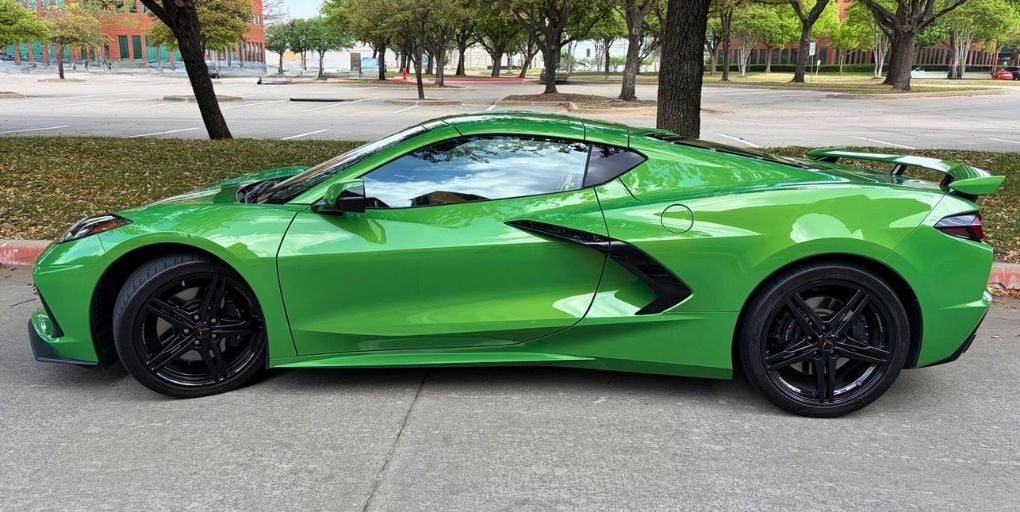
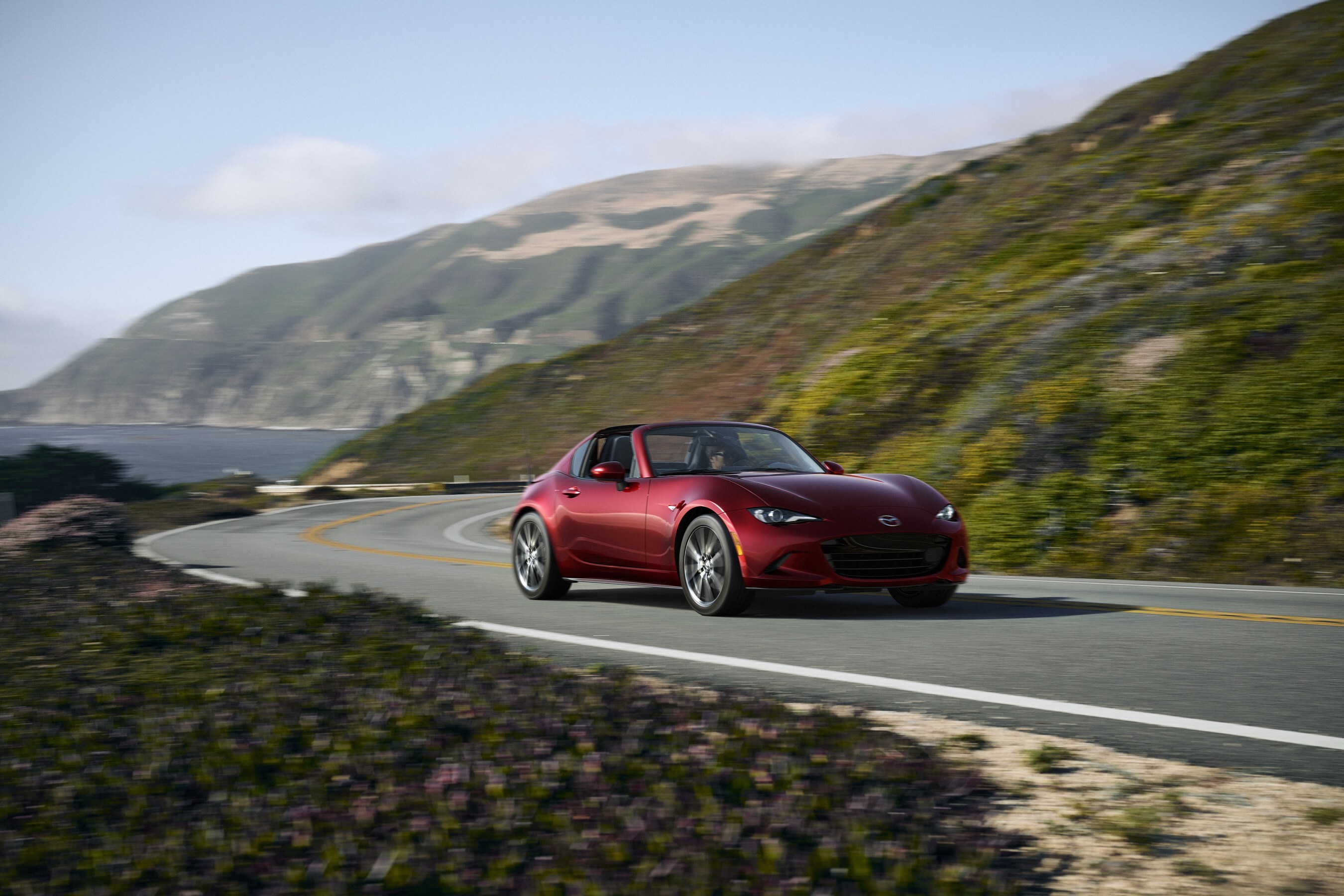
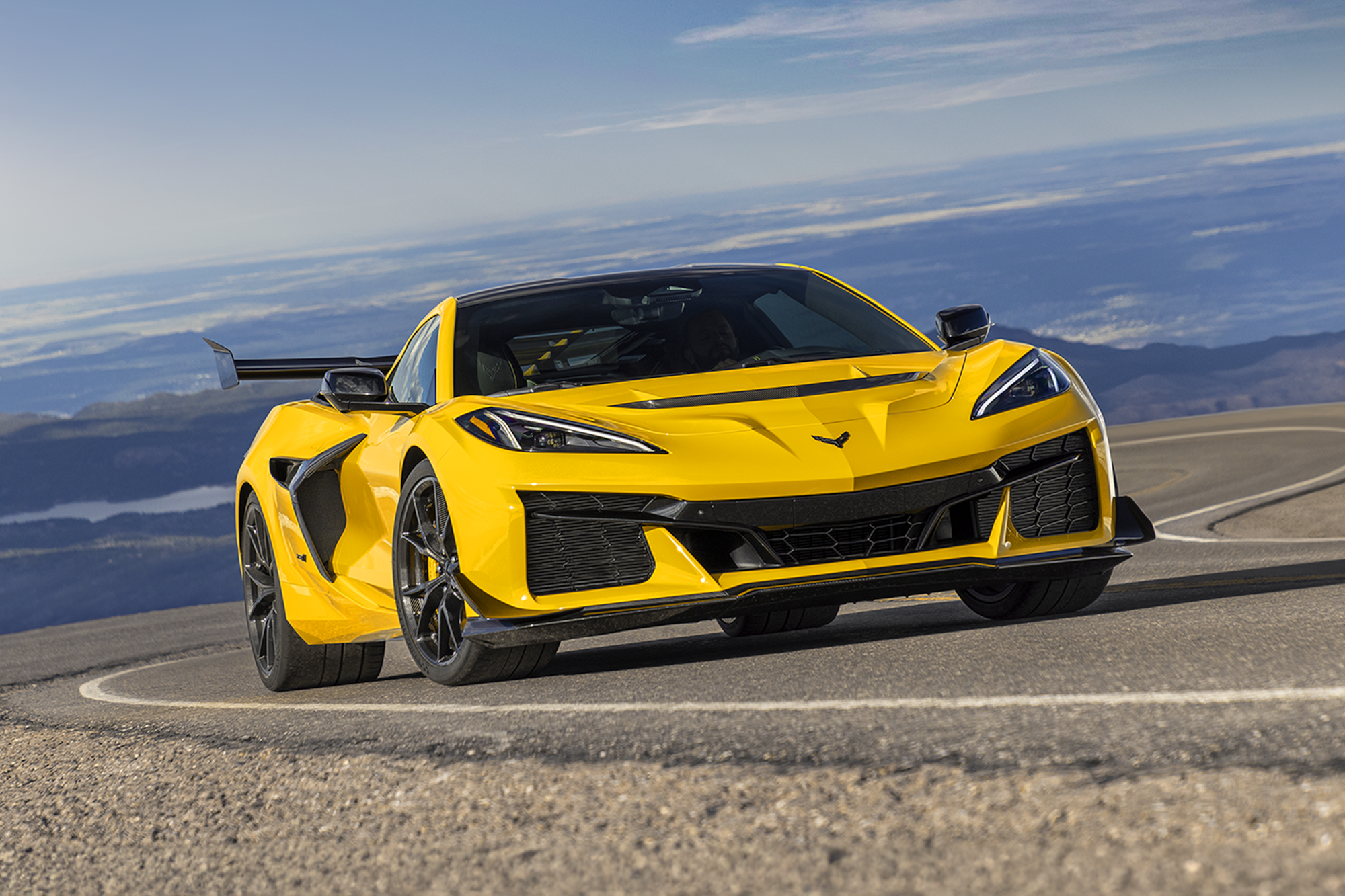
The 2026 Chevrolet Corvette vs 2025 Porsche Cayman represents one of the most compelling debates in the modern sports car market. If you are shopping for a mid-engine performance coupe in 2026, these two iconic nameplates dominate the conversation. The Chevrolet Corvette has evolved into a legitimate supercar contender with its C8 generation, while the Porsche 718 Cayman continues to set the benchmark for precision handling and driver engagement.
This comprehensive buyer guide breaks down every critical factor you need to evaluate before making your decision, from performance specifications and pricing to daily drivability and long-term ownership costs.
Table of Contents
- Introduction: The Mid-Engine Showdown
- Pricing and Value Analysis
- Performance and Engine Specifications
- Handling and Driving Dynamics
- Interior Design and Technology
- Practicality and Daily Usability
- Ownership Costs and Reliability
- Trim Level Comparison
- Final Verdict: Which Should You Buy?
1. Introduction: The Mid-Engine Showdown
The 2026 Chevrolet Corvette vs 2025 Porsche Cayman comparison pits America’s most iconic sports car against Germany’s precision-engineered driver’s car. Both vehicles feature mid-engine layouts that deliver exceptional balance and handling, yet they approach the sports car formula from distinctly different philosophical angles. The Corvette emphasizes raw American power, aggressive styling, and unbeatable value, while the Cayman focuses on surgical precision, tactile feedback, and motorsport pedigree.
For 2026, the Chevrolet Corvette lineup includes the Stingray, Z06, E-Ray hybrid, and the new ZR1 and ZR1X hypercar variants. The 2025 Porsche 718 Cayman represents the final model year of the current generation, available in base, S, GTS 4.0, and GT4 RS trims. This guide focuses primarily on the most directly comparable variants: the Corvette Stingray and Z06 against the Cayman GTS 4.0 and GT4 RS, while acknowledging the broader lineup differences that factor into purchase decisions.
2. Pricing and Value Analysis
Pricing represents one of the most significant differentiators in the 2026 Chevrolet Corvette vs 2025 Porsche Cayman debate. The Corvette continues to deliver exceptional performance per dollar, while Porsche commands a premium for its brand cachet and engineering excellence.
2026 Chevrolet Corvette Pricing
| Trim | Configuration | Starting MSRP |
|---|---|---|
| Stingray 1LT | Coupe | $72,495 |
| Stingray 2LT | Coupe | $79,595 |
| Stingray 3LT | Coupe | $84,245 |
| Z06 1LZ | Coupe | $120,195 |
| Z06 2LZ | Coupe | $129,095 |
| Z06 3LZ | Coupe | $133,745 |
| E-Ray 1LZ | Coupe | $111,095 |
| ZR1 1LZ | Coupe | $184,495 |
2025 Porsche 718 Cayman Pricing
| Trim | Engine | Starting MSRP |
|---|---|---|
| Cayman Base | 2.0L Turbo Flat-4 | $72,800 |
| Cayman S | 2.5L Turbo Flat-4 | $84,800 |
| Cayman GTS 4.0 | 4.0L NA Flat-6 | $99,700 |
| Cayman GT4 RS | 4.0L NA Flat-6 | $164,200 |
The value proposition heavily favors the Corvette. A base Stingray starts at $72,495 and delivers 490 horsepower, while the base Cayman at $72,800 offers only 300 horsepower. The Corvette Z06 at $120,195 produces 670 horsepower from its naturally aspirated flat-plane-crank V8, while the Cayman GT4 RS at $164,200 delivers 493 horsepower. For pure performance per dollar, the Corvette is unmatched in this segment.
3. Performance and Engine Specifications
Performance is where the 2026 Chevrolet Corvette vs 2025 Porsche Cayman comparison gets most interesting. Both manufacturers have engineered exceptional powertrains, but their approaches differ dramatically.
2026 Chevrolet Corvette Powertrain Options
The Corvette Stingray features a 6.2-liter naturally aspirated LT2 V8 producing 490 horsepower at 6,450 rpm and 465 lb-ft of torque at 5,150 rpm. With the optional Z51 Performance Package and dual-mode exhaust, output increases to 495 horsepower and 470 lb-ft of torque. This engine delivers classic American V8 character with deep rumbling exhaust notes and linear power delivery.
The Z06 elevates performance to supercar territory with its hand-assembled 5.5-liter LT6 V8 featuring a flat-plane crankshaft. This high-revving masterpiece produces 670 horsepower at 8,400 rpm and 460 lb-ft of torque at 6,300 rpm, with an 8,600 rpm redline. It is the most powerful naturally aspirated V8 ever fitted to a production car and delivers a shrieking exhaust note reminiscent of exotic Italian supercars.
The E-Ray hybrid combines the Stingray’s 6.2-liter V8 with an electric motor driving the front wheels, producing 655 horsepower and 595 lb-ft of torque with all-wheel-drive capability. For 2026, Chevrolet also introduced the ZR1 with a twin-turbo 5.5-liter V8 producing 1,064 horsepower and the ZR1X hybrid pushing 1,250 horsepower, though these hypercar variants compete at entirely different price points.
2025 Porsche 718 Cayman Powertrain Options
The Cayman base and S models use turbocharged flat-four engines that, while efficient and responsive, lack the emotional character of Porsche’s legendary flat-six engines. The base 2.0-liter turbo flat-four produces 300 horsepower and 280 lb-ft of torque, while the S model’s 2.5-liter turbo delivers 350 horsepower and 309 lb-ft of torque.
The GTS 4.0 and GT4 RS feature the naturally aspirated 4.0-liter flat-six that enthusiasts covet. The GTS 4.0 produces 394 horsepower at 7,000 rpm and 317 lb-ft of torque, while the GT4 RS, derived from the 911 GT3 R race car, delivers 493 horsepower at 8,400 rpm and 331 lb-ft of torque. These engines rev to 7,800 and 9,000 rpm, respectively, delivering the spine-tingling howl that defines the Porsche experience.
Acceleration Comparison
| Model | 0-60 MPH | Quarter Mile | Top Speed |
|---|---|---|---|
| Corvette Stingray (Z51) | 2.8 seconds | 11.2 sec @ 122 mph | 184 mph |
| Corvette Z06 | 2.6 seconds | 10.5 sec @ 131 mph | 195 mph |
| Cayman Base | 4.7 seconds | Not tested | 171 mph |
| Cayman S | 4.2 seconds | Not tested | 177 mph |
| Cayman GTS 4.0 | 3.8 seconds | 12.0 sec @ 120 mph | 182 mph |
| Cayman GT4 RS | 3.2 seconds | 10.9 seconds | 196 mph |
The Corvette dominates straight-line acceleration at every price point. Even the base Stingray outperforms the Cayman GTS 4.0 to 60 mph, while the Z06 matches the significantly more expensive GT4 RS. However, the Cayman’s lighter weight and superior chassis dynamics give it an advantage in cornering precision and driver engagement that raw acceleration numbers cannot capture.
4. Handling and Driving Dynamics
Handling represents the Porsche 718 Cayman’s greatest strength and the area where the 2026 Chevrolet Corvette vs 2025 Porsche Cayman comparison becomes most nuanced. Both cars feature mid-engine layouts that provide exceptional balance, but their chassis tuning and steering philosophies differ significantly.
The Cayman is widely regarded as one of the finest handling production cars ever built. Its telepathic steering, compact dimensions, and Porsche’s decades of motorsport expertise combine to create a chassis that feels like an extension of the driver’s nervous system. The GTS 4.0 and GT4 RS feature PASM sport suspension lowered by 20mm, Porsche Torque Vectoring with a mechanical limited-slip differential, and chassis tuning that prioritizes communication and precision over outright grip numbers.
The Corvette, particularly in Z06 guise with the Z07 Performance Package, generates staggering grip levels. With Michelin Pilot Sport Cup 2 R tires, carbon-ceramic brakes, and aggressive aerodynamics, the Z06 achieves 1.16 g on the skidpad and stops from 70 mph in just 139 feet. However, some critics note that the Corvette’s electronic power steering and larger dimensions create slightly less intimate feedback compared to the Porsche’s hydraulic-assisted rack.
For track enthusiasts, both cars are exceptional but serve different purposes. The Corvette Z06’s PTM Pro mode allows advanced drivers to disable stability and traction control while retaining ABS, making it a formidable track weapon for experienced drivers. The Cayman GT4 RS, with its race-derived engine, lightweight construction (3,227 lbs), and motorsport-focused aerodynamics, offers a more visceral, old-school track experience that purists often prefer.
5. Interior Design and Technology
The 2026 Corvette receives a significant interior redesign that addresses previous criticisms of the C8’s button-heavy center console. For 2026, Chevrolet eliminated the wall of buttons separating driver and passenger, replacing it with a more conventional layout featuring a 12.7-inch center touchscreen, a 14.0-inch digital instrument cluster, and a new 6.6-inch auxiliary touchscreen to the left of the steering wheel. The infotainment system now includes Google Built-In, wireless Apple CarPlay and Android Auto, and 5G connectivity.
The Corvette’s interior materials improve significantly as you move up trim levels. The 3LT features leather-wrapped instrument panels, doors, and consoles, GT2 seats with Napa leather, and carbon-fiber trim. However, even at its best, the Corvette’s interior cannot match the handcrafted quality and material selection of the Porsche.
The Cayman interior exemplifies Porsche’s driver-focused philosophy. The ascending center console, centrally mounted tachometer, and perfectly positioned controls create an environment that feels like a fighter cockpit. Material quality is exceptional, with leather, Alcantara, and real metal trim throughout. The Porsche Communication Management (PCM) system includes a 10.9-inch touchscreen with Apple CarPlay, navigation with real-time traffic, and available Bose or Burmester premium audio systems.
Where the Corvette wins is interior space and practicality. The Corvette offers 51 cubic feet of passenger volume compared to the Cayman’s 48 cubic feet, with more front legroom and shoulder room. The Corvette’s squared-off steering wheel and digital displays create a more futuristic atmosphere, while the Cayman’s traditional round gauges and analog tachometer appeal to driving purists.
6. Practicality and Daily Usability
Practicality is an area where the Corvette holds a surprising advantage over the Cayman. The C8’s mid-engine layout allowed Chevrolet to retain two trunks: a front compartment and a rear compartment behind the engine, totaling 13 cubic feet of cargo space. Chevrolet claims the Corvette can fit two sets of golf clubs stacked in the rear trunk, and testing confirms this practical capability.
The Cayman offers 5.3 cubic feet in the front trunk and 9.7 cubic feet in the rear, totaling 15 cubic feet. However, the rear cargo area’s shape and the engine’s heat make it less usable for certain items. The Corvette’s front trunk is more accessible for daily use, and the removable roof panel on coupe models stores neatly in the rear trunk.
Fuel economy surprisingly favors the Corvette in some configurations. The Stingray achieves EPA ratings of 16 mpg city, 25 mpg highway, and 19 mpg combined, while the Cayman GTS 4.0 manages 19 mpg city, 24 mpg highway, and 21 mpg combined. The Z06’s high-revving V8 is thirstier at 14 combined mpg, comparable to the GT4 RS’s 16 combined mpg.
Both cars seat only two passengers, eliminating any family practicality. However, the Corvette’s greater interior volume, superior outward visibility, and more comfortable ride quality make it the better choice for long-distance road trips and daily commuting.
7. Ownership Costs and Reliability

Long-term ownership costs represent a critical factor in the 2026 Chevrolet Corvette vs 2025 Porsche Cayman decision. While the Corvette wins on purchase price, ongoing expenses and depreciation patterns differ significantly between these two vehicles.
Warranty Coverage
| Coverage | Corvette | Cayman |
|---|---|---|
| Basic Warranty | 3 years / 36,000 miles | 4 years / 50,000 miles |
| Powertrain Warranty | 5 years / 60,000 miles | 4 years / 50,000 miles |
| Rust Protection | 6 years / 100,000 miles | 12 years / unlimited miles |
| Roadside Assistance | 5 years / 60,000 miles | 4 years / 50,000 miles |
Porsche offers superior corrosion protection and a longer basic warranty, while Chevrolet provides longer powertrain coverage. Both manufacturers include roadside assistance programs, though Chevrolet’s lasts longer.
Maintenance and Repair Costs
Porsche maintenance is notoriously expensive. The Cayman requires service every two years or 20,000 miles, but Porsche dealership labor rates are among the highest in the industry. Common maintenance items like brake pads, tires, and exhaust components carry significant premiums, particularly for track-focused variants. The average annual repair cost for Porsche vehicles is approximately $1,192, though Cayman owners report higher expenses for performance driving.
The Corvette benefits from Chevrolet’s extensive dealer network and lower labor rates. Routine maintenance costs are significantly more affordable, and replacement parts are readily available at reasonable prices. However, the high-performance Z06 and ZR1 models feature carbon-ceramic brakes and specialized tires that can be expensive to replace.
Depreciation and Resale Value
Porsche vehicles traditionally hold their value better than most competitors, and the Cayman is no exception. Limited production numbers, especially for GT4 RS models, combined with strong brand prestige, contribute to excellent resale values. However, the 2025 model year represents the final year of the current generation, which may affect the long-term collectibility of non-RS variants.
The Corvette has historically suffered from higher depreciation rates, though the C8 generation has performed better than previous models due to its dramatic redesign and performance credibility. The Z06, with its exotic flat-plane-crank engine, may prove more collectible than base Stingrays, but the sheer volume of Corvette production limits exclusivity.
8. Trim Level Comparison: Direct Rivals
To make the most informed decision, buyers should compare directly competitive trim levels rather than base models. Here are the most relevant matchups in the 2026 Chevrolet Corvette vs 2025 Porsche Cayman comparison:
Corvette Stingray 3LT vs Cayman GTS 4.0
| Specification | Corvette Stingray 3LT | Cayman GTS 4.0 |
|---|---|---|
| Starting Price | $84,245 | $99,700 |
| Engine | 6.2L V8 | 4.0L Flat-6 |
| Horsepower | 495 hp | 394 hp |
| Torque | 470 lb-ft | 317 lb-ft |
| 0-60 MPH | 2.8 seconds | 3.8 seconds |
| Weight | 3,647 lbs | 3,196 lbs |
| Transmission | 8-speed dual-clutch | 6-speed manual / 7-speed PDK |
The Stingray offers significantly more power and faster acceleration for $15,000 less. The Cayman counters with a more engaging manual transmission option, lighter weight, and superior chassis feedback. For buyers prioritizing straight-line speed and value, the Corvette is the clear winner. For those who value the tactile experience of a naturally aspirated flat-six and manual gearbox, the Cayman justifies its premium.
Corvette Z06 3LZ vs Cayman GT4 RS
| Specification | Corvette Z06 3LZ | Cayman GT4 RS |
|---|---|---|
| Starting Price | $133,745 | $164,200 |
| Engine | 5.5L V8 Flat-Plane | 4.0L Flat-6 |
| Horsepower | 670 hp | 493 hp |
| Torque | 460 lb-ft | 331 lb-ft |
| 0-60 MPH | 2.6 seconds | 3.2 seconds |
| Weight | 3,666 lbs | 3,227 lbs |
| Redline | 8,600 rpm | 9,000 rpm |
This comparison showcases the Corvette’s extraordinary value proposition. The Z06 costs $30,000 less while delivering 177 more horsepower and faster acceleration. The GT4 RS counters with lighter weight, a higher redline, and the exclusivity of a limited-production, race-derived engine. For track-focused enthusiasts, the choice depends on whether you prioritize raw speed and value (Corvette) or motorsport pedigree and lightweight precision (Porsche).
9. Final Verdict: Which Should You Buy?
The 2026 Chevrolet Corvette vs 2025 Porsche Cayman decision ultimately depends on your priorities as a driver and what you value most in a sports car ownership experience.
Buy the 2026 Chevrolet Corvette If:
- You want the absolute best performance per dollar
- Straight-line acceleration and quarter-mile times excite you
- You prefer a more comfortable, practical daily driver
- You value American V8 character and exhaust sound
- You want a removable roof panel for open-air driving
- Lower maintenance costs and a wider dealer network matter
- You want the latest technology and infotainment features
Buy the 2025 Porsche 718 Cayman If:
- Handling precision and chassis feedback are your top priorities
- You value the engagement of a manual transmission
- The flat-six engine sound is non-negotiable
- You appreciate Porsche’s motorsport heritage and brand prestige
- You prefer a more compact, intimate driving experience
- Resale value and long-term collectibility matter
- You want the last of the naturally aspirated, manual Cayman generation
The Bottom Line
The 2026 Chevrolet Corvette is the rational choice for most buyers. It offers supercar performance at sports car prices, with greater practicality, more power, and significantly lower ownership costs. The redesigned interior for 2026 addresses previous shortcomings, and the expanded lineup from Stingray to ZR1X means there is a Corvette for every performance appetite and budget.
The 2025 Porsche 718 Cayman remains the emotional choice for driving purists. Its chassis represents the pinnacle of sports car engineering, and the naturally aspirated flat-six engines in the GTS 4.0 and GT4 RS deliver an experience that no turbocharged or electrified powertrain can replicate. As the final year of the current generation, these models carry special significance for collectors and enthusiasts who value analog driving engagement.
For buyers cross-shopping these vehicles, we recommend test driving both cars back-to-back on your favorite roads. The Corvette will impress with its explosive acceleration and surprising refinement, while the Cayman will seduce you with its telepathic steering and mechanical symphony. Either choice represents a triumph of modern sports car engineering, but your personal driving philosophy will determine which one belongs in your garage.
Frequently Asked Questions
Is the 2026 Corvette faster than the 2025 Cayman?
Yes, the 2026 Corvette is significantly faster in straight-line acceleration. The base Stingray reaches 60 mph in 2.8 seconds compared to the base Cayman’s 4.7 seconds. The Z06 achieves 60 mph in 2.6 seconds, matching or beating the Cayman GT4 RS’s 3.2 seconds while costing substantially less.
Which is better for daily driving?
The Corvette is generally better for daily driving due to its more comfortable ride, greater interior space, superior outward visibility, and more practical cargo capacity. The Cayman’s stiffer suspension and more intimate cabin can become tiresome during long commutes.
Does the Cayman hold value better than the Corvette?
Historically, yes. Porsche vehicles generally depreciate slower than Chevrolet vehicles, and limited-production models like the GT4 RS may appreciate. However, the C8 Corvette has shown stronger resale value than previous generations, narrowing the gap.
Can you get a manual transmission in either car?
The 2025 Cayman offers a 6-speed manual transmission on all trims except the GT4 RS, which is PDK-only. The 2026 Corvette is exclusively offered with an 8-speed dual-clutch automatic, with no manual option available.
Which is more reliable?
Both vehicles are generally reliable when properly maintained. The Corvette benefits from Chevrolet’s simpler pushrod V8 architecture and extensive dealer network. The Cayman’s more complex flat-six engines and higher service costs can make maintenance more expensive, though Porsche’s engineering is proven and robust.