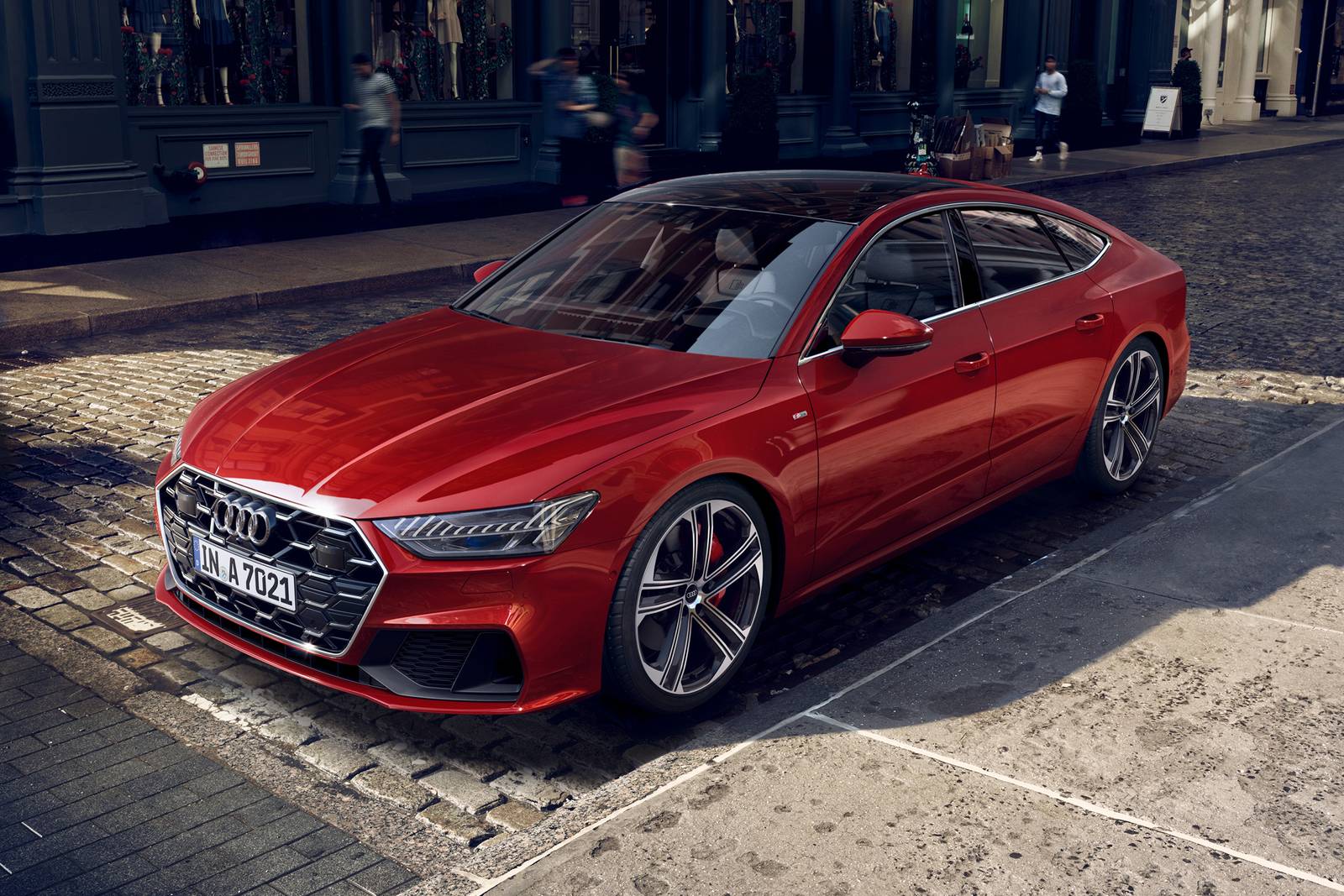
2025 Subaru BRZ vs 2026 Ford Mustang

2025 Subaru BRZ vs 2026 Ford Mustang: If you are in the market for an affordable, rear-wheel-drive sports car in 2026, two names dominate the conversation. The 2025 Subaru BRZ represents the pure, lightweight, driver-focused philosophy of the modern Japanese sports coupe, while the 2026 Ford Mustang carries the torch of American muscle with a broader range of power, size, and technology. This comprehensive buyer guide breaks down every critical factor—performance, pricing, daily livability, technology, safety, and long-term value—so you can make the right choice for your garage.
Both vehicles occupy a similar starting price point but diverge dramatically in philosophy, dimensions, and capability. Whether you are a first-time sports car buyer, a weekend track-day enthusiast, or someone seeking a stylish daily driver with genuine performance credentials, understanding how these two coupes compare is essential. In this guide, we deliver the most accurate, up-to-date specifications and expert analysis to help you decide which machine deserves your hard-earned money.
Table of Contents
- Introduction: Two Different Answers to the Same Question
- Pricing and Value: What You Get for Your Money
- Performance and Powertrain: Numbers That Matter
- Handling, Chassis, and Driving Dynamics
- Interior, Comfort, and Practicality
- Technology, Infotainment, and Connectivity
- Safety Features and Crash Ratings
- Fuel Economy and Operating Costs
- Reliability, Warranty, and Ownership Costs
- Which One Should You Buy? The Verdict
- Frequently Asked Questions
1. Two Different Answers to the Same Question
The 2025 Subaru BRZ and 2026 Ford Mustang both answer the question, “What is the best affordable rear-wheel-drive sports car?” But they arrive at radically different conclusions. The BRZ is a precision instrument: small, light, and engineered to maximize driver engagement at legal speeds. The Mustang is a modern American icon: larger, more powerful, and available in configurations ranging from a sensible turbocharged four-cylinder daily driver to a 500-horsepower track weapon.
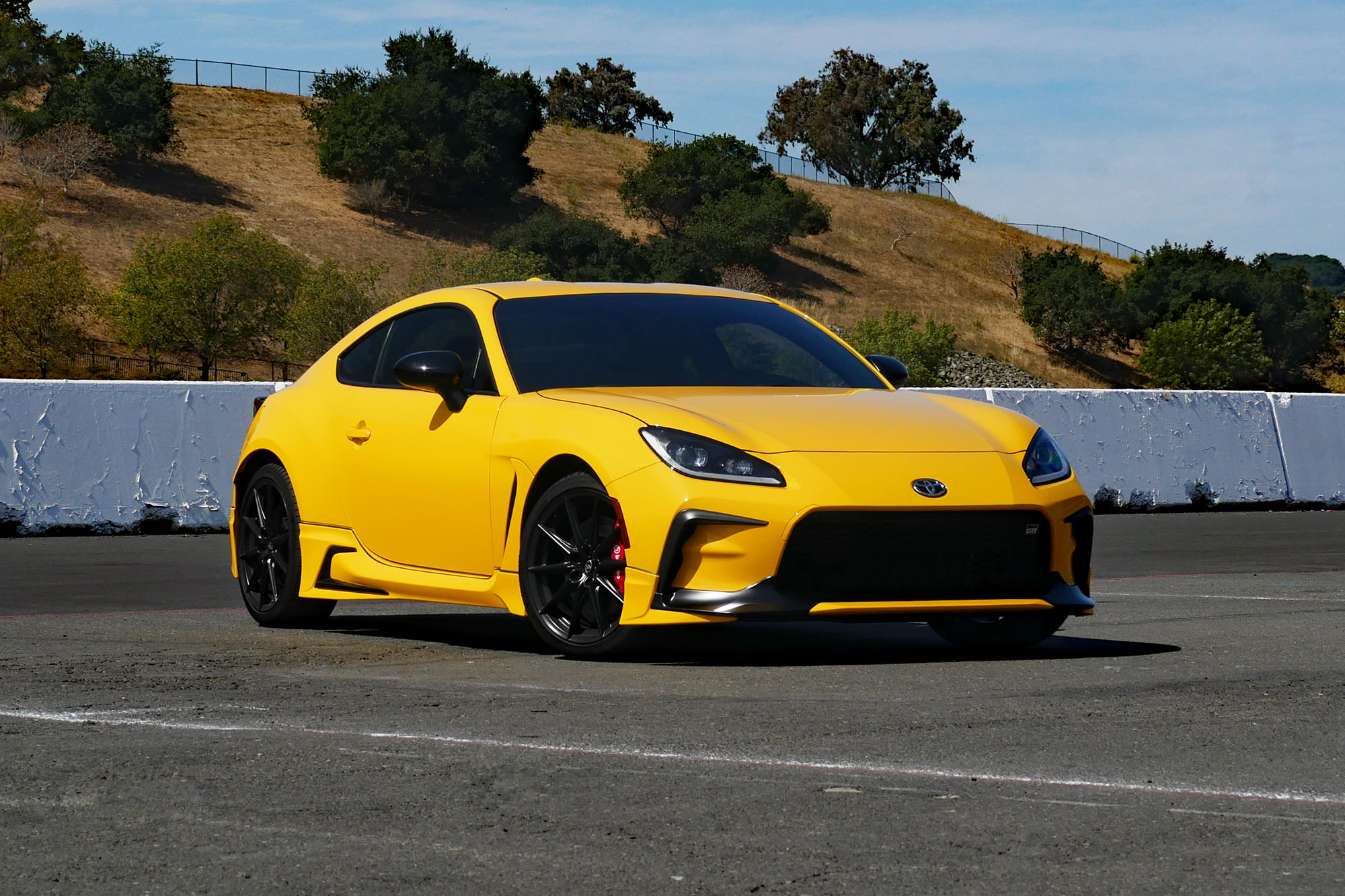
Subaru developed the BRZ in partnership with Toyota (which sells its own version as the GR86) with a singular mission: create the purest possible driving experience for under $35,000. The result is a 2,800-pound coupe with a naturally aspirated 2.4-liter flat-four engine, a six-speed manual transmission, and a chassis tuned for balance rather than brute force. It is a car that teaches you to drive better because its limits are accessible and its feedback is immediate.
The 2026 Ford Mustang, by contrast, is a multi-tool. Ford offers the Mustang in EcoBoost, GT, and Dark Horse trims, with engine outputs ranging from 315 horsepower to 500 horsepower. It is a larger vehicle with a more comfortable interior, superior cargo capacity, and a level of technology that rivals luxury sedans. The Mustang can be a daily commuter, a highway cruiser, a drag-strip contender, or a road-course athlete—depending on how you configure it and how much you are willing to spend.
This buyer guide is designed for prospective owners who are cross-shopping these two vehicles. We will examine every aspect of ownership, from the visceral thrill of acceleration to the mundane reality of insurance premiums and fuel costs. By the end, you will know exactly which car fits your lifestyle, budget, and driving priorities.
2. Pricing and Value: What You Get for Your Money
Pricing is where the 2025 Subaru BRZ and 2026 Ford Mustang first reveal their divergent strategies. The BRZ is positioned as an entry-level sports car with a narrow price band, while the Mustang spans a massive range from budget-friendly to supercar-adjacent.
2025 Subaru BRZ Pricing
The 2025 Subaru BRZ is offered in three trim levels, with a starting MSRP that makes it one of the most affordable new sports cars on the market. According to Edmunds, the base Premium trim starts at approximately $31,095, while the mid-level Limited begins around $33,745. The range-topping tS (Tuned by STI) trim, which adds upgraded suspension, Brembo brakes, and exclusive styling, starts at $36,245. These prices represent exceptional value for a purpose-built rear-wheel-drive sports coupe with a manual transmission and limited-slip differential as standard equipment.
| Trim | Starting MSRP | Key Features |
|---|---|---|
| Premium | $31,095 | 6-speed manual, 17-inch wheels, LED headlights, 7-inch digital cluster |
| Limited | $33,745 | 18-inch wheels, blind-spot monitoring, heated seats, upgraded interior |
| tS | $36,245 | STI-tuned Hitachi shocks, Brembo brakes, 18×7.5-inch wheels, exclusive badging |
2026 Ford Mustang Pricing
The 2026 Ford Mustang offers a dramatically wider pricing spectrum. The base EcoBoost Fastback starts at $32,320, placing it just slightly above the BRZ Premium. However, the Mustang lineup extends through the GT Fastback ($46,885), GT Premium ($51,405), and culminates in the Dark Horse ($64,080) and the ultra-exclusive GTD (approximately $328,000). This means a fully loaded Mustang can cost nearly twice as much as the most expensive BRZ, or, in the case of the GTD, nearly ten times as much.
| Trim | Starting MSRP | Engine | Key Features |
|---|---|---|---|
| EcoBoost Fastback | $32,320 | 2.3L EcoBoost I4 (315 hp) | 10-speed auto, 13.2-inch touchscreen, Ford Co-Pilot360 |
| EcoBoost Premium Fastback | $36,345 | 2.3L EcoBoost I4 (315 hp) | 18-inch wheels, heated/cooled seats, Track Apps |
| GT Fastback | $46,885 | 5.0L Coyote V8 (480 hp) | 6-speed manual, 3.55 limited-slip, 18-inch black wheels |
| GT Premium Fastback | $51,405 | 5.0L Coyote V8 (480 hp) | 19-inch wheels, Brembo brakes, wireless charging, B&O audio |
| Dark Horse | $64,080 | 5.0L V8 (500 hp) | MagneRide suspension, TORSEN diff, engine/trans/diff coolers |
| Dark Horse Premium | $69,075 | 5.0L V8 (500 hp) | RECARO seats, open-air induction, 12-speaker B&O audio |
For buyers comparing base models, the BRZ Premium and Mustang EcoBoost are separated by only about $1,200. However, the Mustang EcoBoost comes with a 10-speed automatic as standard, while the BRZ Premium includes a six-speed manual. If you want a Mustang with a manual transmission, you must step up to the GT Fastback at $46,885—more than $15,000 above the BRZ’s entry price. This is a critical consideration for enthusiasts who prioritize rowing their own gears.
From a value perspective, the BRZ offers more sports car per dollar at the entry level. Every BRZ comes with a Torsen limited-slip differential, a sport-tuned suspension, and a chassis developed specifically for handling. The Mustang EcoBoost, while more powerful, is fundamentally a mass-market pony car with a turbocharged four-cylinder engine shared with other Ford products. It is an excellent car, but it is not a purpose-built sports coupe in the same way the BRZ is.
3. Performance and Powertrain: Numbers That Matter
Performance is the heart of any sports car comparison, and this is where the 2025 Subaru BRZ and 2026 Ford Mustang tell two very different stories. The BRZ prioritizes balance and precision over raw acceleration, while the Mustang offers a buffet of power options that can satisfy everyone from casual commuters to dedicated track rats.
2025 Subaru BRZ: The Art of Accessible Power
The 2025 Subaru BRZ is powered by a 2.4-liter naturally aspirated flat-four (boxer) engine, codenamed FA24D. This engine produces 228 horsepower at 7,000 rpm and 184 lb-ft of torque at 3,700 rpm. While these numbers are modest by modern standards, they are perfectly calibrated to the BRZ’s approximately 2,815-pound curb weight. The result is a power-to-weight ratio that feels lively and engaging without being overwhelming.
At the Edmunds test track, a manual-equipped BRZ Limited accelerated from 0 to 60 mph in 6.1 seconds. The optional six-speed automatic adds about 0.8 seconds to that time, clocking in at 6.9 seconds. These are not headline-grabbing numbers, but they are competitive with the Mazda MX-5 Miata (6.0 seconds) and the Volkswagen Golf GTI (5.9 seconds). More importantly, the BRZ’s engine delivers linear, predictable power that builds progressively toward its 7,500 rpm redline. There is no turbo lag, no sudden surge of torque—just smooth, controllable acceleration that rewards precise throttle management.
The BRZ’s horizontally opposed engine layout also contributes to its exceptional handling. By sitting low in the chassis, the flat-four lowers the center of gravity, which reduces body roll and improves cornering stability. This is not a marketing gimmick; it is a fundamental engineering advantage that you can feel on every winding road.
2026 Ford Mustang: A Powertrain for Every Personality
The 2026 Ford Mustang offers three distinct engine options, each transforming the character of the car. The base 2.3-liter EcoBoost inline-four produces 315 horsepower and 350 lb-ft of torque, making it significantly more powerful than the BRZ. The mid-range 5.0-liter Gen-4 Coyote V8 delivers 480 horsepower and 415 lb-ft of torque in GT trim, while the Dark Horse’s specially tuned version of the same V8 pumps out 500 horsepower and 418 lb-ft of torque. For those with unlimited budgets, the Mustang GTD’s supercharged 5.2-liter V8 produces a staggering 815 horsepower.
The EcoBoost engine is paired with a 10-speed SelectShift automatic transmission as standard, featuring paddle shifters for manual control. The GT and Dark Horse offer a choice between a six-speed manual with rev-matching and the 10-speed automatic. For purists, the manual-transmission GT represents the sweet spot of the Mustang lineup: V8 power, a clutch pedal, and a starting price that, while higher than the BRZ, is still reasonable for the performance delivered.
In terms of raw acceleration, the Mustang EcoBoost is quicker than the BRZ, with 0-60 mph estimates in the low-five-second range. The GT slashes that to approximately 4.2 seconds, while the Dark Horse dips into the high-three-second territory. The GTD, tested by Car and Driver, achieved 0-60 mph in just 2.8 seconds—supercar territory. These numbers illustrate the Mustang’s fundamental advantage: if straight-line speed is your priority, the Mustang offers multiple pathways to adrenaline, while the BRZ has only one, and it is comparatively modest.
Performance Comparison at a Glance
| Specification | 2025 Subaru BRZ (Manual) | 2026 Ford Mustang EcoBoost | 2026 Ford Mustang GT (Manual) |
|---|---|---|---|
| Engine | 2.4L flat-four (FA24D) | 2.3L turbo inline-four | 5.0L V8 (Coyote) |
| Horsepower | 228 hp @ 7,000 rpm | 315 hp | 480 hp |
| Torque | 184 lb-ft @ 3,700 rpm | 350 lb-ft | 415 lb-ft |
| Transmission | 6-speed manual (std) / 6-speed auto (opt) | 10-speed automatic (std) | 6-speed manual (std) / 10-speed auto (opt) |
| 0-60 mph | 6.1 seconds | ~5.0 seconds (est.) | ~4.2 seconds (est.) |
| Curb Weight | 2,815 lbs | 3,491 lbs | ~3,700 lbs |
| Power-to-Weight | ~81 hp/ton | ~90 hp/ton | ~130 hp/ton |
| Redline | 7,500 rpm | ~6,500 rpm | 7,500 rpm |
The key takeaway from this comparison is that the BRZ and Mustang are not direct competitors in the traditional sense. The BRZ competes with the Mazda MX-5 Miata and Toyota GR86 for the title of best affordable pure sports car. The Mustang EcoBoost competes with the Chevrolet Camaro and Dodge Challenger as an entry-level American muscle car. Only when you compare the BRZ to the Mustang GT do you see a true clash of philosophies: lightweight precision versus heavyweight power.
4. Handling, Chassis, and Driving Dynamics
This is where the 2025 Subaru BRZ pulls ahead of the 2026 Ford Mustang in the eyes of driving purists. Handling is the BRZ’s raison d’être, and every component of its chassis has been optimized for agility, feedback, and balance. The Mustang, while significantly improved in its latest generation, is fundamentally a larger, heavier car that prioritizes stability and straight-line confidence over corner-carving precision.
BRZ: A Masterclass in Balance
The BRZ’s chassis is a study in intentional compromise. Subaru and Toyota engineers deliberately kept power modest so that the car’s limits could be explored on public roads without risking arrest. The result is a vehicle that communicates everything to the driver: the texture of the pavement, the load on each tire, the exact moment the rear end is about to step out. The steering is quick, accurate, and weighted perfectly for spirited driving. Edmunds describes it as “sublime,” noting that the BRZ allows you to place the car exactly where you want it through a turn.
The BRZ’s suspension tuning is firmer than a typical economy car but compliant enough for daily driving. At the test track, the BRZ Limited with summer tires stopped from 60 mph in just 106 feet—a genuinely impressive figure. The standard Torsen limited-slip differential ensures that power is distributed effectively between the rear wheels, allowing the driver to use throttle steer to adjust the car’s attitude mid-corner. Track mode loosens the stability control parameters, and a full-off mode is available for experienced drivers on closed courses.
The BRZ tS trim takes this philosophy further with STI-tuned Hitachi dampers, larger Brembo brakes, and unique 18-inch wheels. These upgrades do not fundamentally change the car’s character but sharpen its responses for dedicated track-day enthusiasts. Even in base form, however, the BRZ is one of the most rewarding cars to drive at any price point.
Mustang: Muscle with Modern Refinement

The 2026 Ford Mustang represents a significant leap forward in handling for the nameplate. MotorTrend praised the new Mustang GT for being “shockingly poised and well balanced,” noting that it carves through canyon roads with “speeds and confidence previously only exhibited by Shelby-badged cars.” Ford achieved this by stiffening the chassis, improving the suspension geometry, and offering the MagneRide adaptive damping system on higher trims.
However, the Mustang’s fundamental physics work against it in direct comparison to the BRZ. At 3,491 pounds (EcoBoost) or approximately 3,700 pounds (GT), the Mustang carries 700 to 900 more pounds than the BRZ. That extra mass is noticeable in tight corners, where the Mustang feels more deliberate and less eager to change direction. The Mustang’s wider track and longer wheelbase provide high-speed stability, but they also increase the turning radius and reduce the sense of intimacy that defines the BRZ experience.
The Mustang Dark Horse and GTD address these limitations with track-focused hardware. The Dark Horse includes a TORSEN limited-slip differential, MagneRide dampers, and additional cooling for the engine, transmission, and differential. The GTD goes even further with a pushrod rear suspension, carbon-ceramic brakes, and aerodynamics developed from Ford’s GT3 racing program. But these are $64,000+ and $328,000+ vehicles, respectively—far removed from the BRZ’s price territory.
For the average buyer cross-shopping a BRZ against a Mustang EcoBoost or GT, the handling comparison boils down to this: the BRZ is more fun at lower speeds and rewards finesse, while the Mustang is more capable at higher speeds and rewards commitment. If your favorite roads are tight, technical, and posted at 35 mph, the BRZ is the better tool. If your favorite roads are wide, sweeping, and posted at 55 mph, the Mustang’s extra power and stability shine.
5. Interior, Comfort, and Practicality
Interior quality and practicality are often overlooked in sports car comparisons, but they matter enormously for daily drivers. Here, the 2026 Ford Mustang holds a clear advantage over the 2025 Subaru BRZ, offering more space, better materials, and superior cargo capacity. The BRZ, however, punches above its weight for a car in its price class and offers a level of ergonomic simplicity that many drivers find refreshing.
BRZ: Compact but Clever
The BRZ’s interior is best described as purposeful. The dashboard is low and unobtrusive, enhancing forward visibility—a critical advantage on racetracks and winding roads. The seats are manually adjustable and feature improved bolstering compared to the previous generation, holding occupants in place without excessive restriction. Dual-zone climate control is standard, which is a nice touch for a car in this price range.
Space is the BRZ’s primary weakness. Front-seat occupants are comfortable, and the BRZ offers more headroom and legroom than the Mazda MX-5 Miata. However, the rear seats are essentially decorative. Edmunds notes they are “better used as interior storage space than for passengers,” and installing a child seat is described as “unlikely to be easy.” The trunk holds 6.3 cubic feet of cargo, which is small but usable. A key advantage is that the rear seats fold down, allowing the BRZ to swallow four wheels with tires—a feature the Miata cannot match.
Interior noise is another BRZ weakness. Road and tire noise are constant and loud, and the engine’s gruff note is more functional than musical. The audio system struggles to overcome the ambient noise, which Edmunds identifies as an area for improvement. If you plan to use the BRZ for long highway commutes, invest in quality earplugs or accept that conversation will require elevated volume.
Mustang: Big Car Comfort
The 2026 Mustang’s interior is a technological showcase. A 12.4-inch digital instrument cluster and a 13.2-inch center touchscreen dominate the dashboard, running Ford’s SYNC 4 system. The materials are a significant step up from the BRZ, with soft-touch surfaces, available leather upholstery, and ambient lighting on higher trims. The Mustang’s seats are larger, more supportive, and available with heating, cooling, and power adjustment.
Rear-seat space in the Mustang is still tight for adults, but it is more usable than the BRZ’s. The trunk offers 13.5 cubic feet of cargo capacity—more than double the BRZ’s—making the Mustang a viable option for weekend road trips or grocery runs. The convertible variants sacrifice some trunk space but add open-air enjoyment that the BRZ cannot match.
The Mustang’s interior is also quieter at highway speeds, with better sound insulation and available active noise cancellation. The B&O sound system (standard on Dark Horse Premium, available on other trims) delivers audio quality that the BRZ’s basic system cannot approach. For buyers who view their sports car as a daily driver first and a toy second, the Mustang’s interior advantages are compelling.
Interior Comparison
| Feature | 2025 Subaru BRZ | 2026 Ford Mustang EcoBoost |
|---|---|---|
| Front Headroom | 37.1 inches | 37.6 inches |
| Front Legroom | 41.9 inches | 44.5 inches |
| Rear Headroom | 35.2 inches | 34.8 inches |
| Rear Legroom | 29.9 inches | 29.2 inches |
| Trunk Capacity | 6.3 cubic feet | 13.5 cubic feet |
| Passenger Volume | ~78 cubic feet | ~83 cubic feet |
| Infotainment Screen | 8.0 inches | 13.2 inches |
| Digital Cluster | 7.0 inches | 12.4 inches |
6. Technology, Infotainment, and Connectivity
Technology is an area where the 2026 Ford Mustang dominates the 2025 Subaru BRZ. Ford has invested heavily in SYNC 4, and the Mustang benefits from a suite of features that would not look out of place in a luxury vehicle. The BRZ, by contrast, offers only the essentials, reflecting its back-to-basics philosophy.
BRZ: The Essentials, Nothing More
The BRZ’s infotainment system is functional but unremarkable. An 8.0-inch touchscreen is standard, featuring Apple CarPlay and Android Auto compatibility. The interface is responsive and easy to understand, but it lacks the visual polish and feature depth of Ford’s system. Notably, integrated navigation is not available—you must rely on your smartphone for directions.
Two USB ports are located in the center armrest, keeping devices out of sight while driving. The BRZ offers a modest array of advanced driver aids, but most are tied to the optional automatic transmission. These include automatic emergency braking, adaptive cruise control, and rear emergency braking. Manual-transmission models do without these features, which is a significant omission for a 2025 model-year vehicle.
Where the BRZ excels technologically is in its driving aids. The stability and traction control systems are well-calibrated for daily driving, and Track mode allows experienced drivers to explore the car’s limits with appropriate safety nets. The ability to fully disable stability control is a rare and welcome feature for enthusiasts who want unfiltered driving dynamics.
Mustang: A Tech Powerhouse
The 2026 Mustang’s technology suite is comprehensive. The 13.2-inch SYNC 4 touchscreen supports wireless Apple CarPlay and Android Auto, along with built-in navigation on higher trims. The 12.4-inch digital instrument cluster is customizable, allowing drivers to prioritize performance data, navigation instructions, or entertainment information. Track Apps, available on Premium and above, provides acceleration timers, brake performance metrics, and g-force readouts.
Ford Co-Pilot360 is standard across the Mustang lineup, including lane-keeping assist, pre-collision assist with automatic emergency braking, blind-spot monitoring with cross-traffic alert, and automatic high beams. Adaptive cruise control with lane centering is available, making the Mustang a surprisingly capable highway cruiser. The Dark Horse and GTD add performance telemetry and data logging for track-day enthusiasts.
For buyers who view technology as a core component of the ownership experience, the Mustang is the clear winner. The BRZ’s spartan approach will appeal to purists who believe that screens distract from the driving experience, but for the average consumer, the Mustang’s tech advantage is substantial.
7. Safety Features and Crash Ratings
Safety is a critical consideration for any vehicle purchase, and both the 2025 Subaru BRZ and 2026 Ford Mustang offer modern protection. However, their safety profiles differ in important ways, particularly regarding crash-test ratings and the availability of advanced driver-assistance systems.
BRZ: Solid but Selective
The Subaru BRZ has earned strong marks from the Insurance Institute for Highway Safety (IIHS). It received “Good” ratings in small overlap front (driver and passenger), moderate overlap front, side impact, roof strength, and rear crash protection tests. These results reflect the BRZ’s robust safety cell and standard suite of airbags.
However, the BRZ’s advanced safety technology is limited and largely restricted to automatic-transmission models. Manual-transmission buyers must forgo features like adaptive cruise control and automatic emergency braking—a disappointing compromise in an era where such technology is becoming universal. The BRZ does include a backup camera, blind-spot monitoring, lane departure warning, and stability control as standard.
Mustang: Comprehensive Protection
The 2026 Ford Mustang comes standard with Ford Co-Pilot360, a comprehensive suite of driver-assistance features regardless of transmission choice. This includes lane-keeping assist, pre-collision assist with automatic emergency braking, blind-spot information system with cross-traffic alert, and automatic high beams. Higher trims add adaptive cruise control, lane centering, and evasive steering assist.
The Mustang’s larger size and mass also provide a theoretical advantage in multi-vehicle collisions, though this is offset by its higher center of gravity and longer hood. Both vehicles include dual front airbags, knee airbags, seat-mounted side airbags, and side-curtain airbags. The Mustang adds a rearview camera system as standard, while the BRZ’s backup camera is similarly equipped.
For buyers who prioritize safety technology, the Mustang is the better choice. The ability to get automatic emergency braking and adaptive cruise control with a manual transmission is a significant advantage, and Ford’s Co-Pilot360 suite is more comprehensive than the BRZ’s offerings. That said, both cars provide fundamentally sound protection in the event of a crash.
8. Fuel Economy and Operating Costs
Fuel economy and operating costs are practical considerations that can significantly impact the total cost of ownership. Here, the 2025 Subaru BRZ and 2026 Ford Mustang present a mixed picture, with the BRZ offering better efficiency in some configurations and the Mustang surprising with respectable numbers for its performance.
BRZ: Light Weight, Modest Thirst
The BRZ’s small engine and light weight translate to reasonable fuel economy for a sports car. The EPA estimates 22 mpg combined (20 city / 27 highway) for the manual transmission and 25 mpg combined (21 city / 30 highway) for the automatic. Edmunds observed 28 mpg on their real-world evaluation route with a manual-equipped test car—better than the EPA’s highway estimate.
The BRZ requires premium unleaded fuel, which increases operating costs slightly. However, its small 13.2-gallon fuel tank means fill-ups are relatively inexpensive. Edmunds estimates the monthly fuel cost at approximately $225 based on 15,000 miles per year of mixed driving. Maintenance costs are generally low, though Subaru’s warranty coverage (3 years/36,000 miles bumper-to-bumper, 5 years/60,000 miles powertrain) is standard for the segment.
Mustang: Power Has a Price
The Mustang’s fuel economy varies dramatically by engine and trim. The EcoBoost with the 10-speed automatic achieves an EPA-estimated 22 mpg city and 33 mpg highway—remarkably efficient for a car with 315 horsepower. The GT with the 5.0-liter V8 is thirstier, with estimates around 15 mpg city and 24 mpg highway for the manual transmission. The Dark Horse and GTD are even more consumptive, with the GTD rated at just 12 mpg combined (10 city / 17 highway).
Insurance costs will also favor the BRZ for most buyers. The BRZ’s lower power output and lower replacement cost generally result in lower premiums than the Mustang GT or Dark Horse. Young drivers, in particular, may find the BRZ significantly more affordable to insure. The Mustang EcoBoost may be comparable to the BRZ in insurance costs, but the V8 models carry a substantial penalty.
Tire and brake costs are another consideration. The BRZ’s small wheels and light weight mean tires and brake pads are relatively inexpensive. The Mustang’s larger wheels (up to 20 inches on the Dark Horse) and heavier weight increase consumable costs. Track-day enthusiasts should budget significantly more for the Mustang, particularly if they opt for the high-performance Brembo brake systems.
9. Reliability, Warranty, and Ownership Costs
Long-term reliability and ownership costs are crucial factors for any vehicle purchase. Both the 2025 Subaru BRZ and 2026 Ford Mustang benefit from established reputations, but their mechanical complexity and intended use cases create different risk profiles.
BRZ: Proven Simplicity
The BRZ’s FA24D engine is a relatively simple, naturally aspirated four-cylinder with a chain-driven timing system. It does not use a turbocharger, direct injection alone (it uses port and direct injection), or complex variable valve timing systems that can fail expensively. The six-speed manual transmission is a proven unit shared with the Toyota GR86, and the automatic is a conventional torque-converter design rather than a dual-clutch or CVT.
Subaru’s warranty coverage is standard: three years or 36,000 miles for bumper-to-bumper protection and five years or 60,000 miles for the powertrain. Roadside assistance is included for three years or 36,000 miles. Notably, Toyota offers two years of complimentary maintenance on the GR86, which is not matched by Subaru for the BRZ. This is a minor but meaningful difference for buyers cross-shopping the two twins.
The BRZ’s second generation, introduced in 2022, has proven reliable in early ownership reports. The most common complaints involve the audio system, interior noise, and the cramped rear seats—none of which are mechanical issues. For buyers seeking a low-maintenance sports car, the BRZ is an excellent choice.
Mustang: Complexity and Capability
The Mustang’s reliability depends heavily on the engine and trim chosen. The 2.3-liter EcoBoost is a well-established engine used across the Ford lineup, with a generally good reliability record. The 5.0-liter Coyote V8 is a robust, proven powerplant that has earned a reputation for durability, even under hard use. The 10-speed automatic transmission, shared with other Ford and GM products, has had some reported issues in early production but has improved in recent years.
Ford’s warranty matches Subaru’s: three years or 36,000 miles bumper-to-bumper and five years or 60,000 miles powertrain. Ford does not include complimentary maintenance, which is a disadvantage compared to some competitors. The Mustang’s more complex electronics, larger brakes, and adaptive suspension systems (on MagneRide-equipped models) create more potential failure points than the BRZ’s simpler hardware.
For buyers planning to modify their vehicles, the BRZ offers a more straightforward platform. The aftermarket support for the BRZ/GR86 is extensive, with bolt-on turbocharger kits, suspension upgrades, and brake packages widely available. The Mustang’s aftermarket is even larger, but modifying the EcoBoost or Coyote engines requires more expertise and carries greater risk of warranty voidance.
10. Which One Should You Buy? The Verdict
After examining every aspect of the 2025 Subaru BRZ and 2026 Ford Mustang, the choice ultimately depends on your priorities, budget, and intended use. Neither car is objectively “better” than the other; they are simply optimized for different experiences.
Buy the 2025 Subaru BRZ If:
- You prioritize handling precision and driver feedback over raw acceleration.
- You want a manual transmission without paying a premium or sacrificing safety technology.
- Your favorite roads are tight, technical, and require frequent direction changes.
- You plan to attend track days and want a car that is rewarding without being intimidating.
- You value low operating costs, including insurance, fuel, and consumables.
- You appreciate a back-to-basics driving experience without excessive technology.
- You are a first-time sports car buyer seeking an accessible, forgiving platform.
Buy the 2026 Ford Mustang If:
- You want a broader range of power options, from an efficient turbo four to a thundering V8.
- You need more interior space, cargo capacity, and daily-driver comfort.
- You value cutting-edge technology, including a large touchscreen and comprehensive driver aids.
- Your driving includes significant highway miles where the Mustang’s stability and quietness shine.
- You want the option of a convertible for open-air driving.
- You are drawn to the Mustang’s iconic American heritage and styling.
- You have the budget for a GT or Dark Horse and want genuine supercar-rivaling performance.
The Final Word
For the buyer with approximately $32,000 to $36,000 to spend, the 2025 Subaru BRZ Premium or Limited represents the purest sports car experience available. It is a vehicle designed by enthusiasts for enthusiasts, with every component optimized for driving joy. The 2026 Ford Mustang EcoBoost, at a similar starting price, offers more power and more features but lacks the BRZ’s singular focus.
If your budget extends to $47,000 or more, the Mustang GT enters the conversation as a genuine alternative. With 480 horsepower, a six-speed manual, and a chassis that has finally earned respect from critics, the GT offers a level of performance and presence that the BRZ cannot match. But it also demands more skill, more restraint, and more money to operate.
Our recommendation: test drive both. The BRZ and Mustang are so different in character that a 30-minute drive in each will tell you everything you need to know. If you finish the BRZ drive grinning from ear to ear and craving more corners, that is your car. If you finish the Mustang drive with your heart pounding and your palms sweating from the acceleration, that is your car. The 2025 Subaru BRZ vs 2026 Ford Mustang debate does not have a single winner—it has two winners, and the right one is waiting for you at a dealership near you.
11. Frequently Asked Questions
Is the 2025 Subaru BRZ faster than the 2026 Ford Mustang?
No. The 2026 Ford Mustang EcoBoost (0-60 mph in approximately 5.0 seconds) is quicker than the 2025 Subaru BRZ (0-60 mph in 6.1 seconds). The Mustang GT and Dark Horse are significantly faster still. However, the BRZ’s lighter weight and superior handling make it feel more agile in corners and more engaging at legal speeds.
Can the Subaru BRZ be used as a daily driver?
Yes, but with caveats. The BRZ is comfortable enough for commuting, and its fuel economy is reasonable. However, the small trunk, cramped rear seats, and high noise levels make it less practical than the Mustang for daily family use. If you rarely carry passengers or cargo, the BRZ is a viable daily driver. If you need versatility, the Mustang is superior.
Does the 2026 Mustang EcoBoost feel like a “real” Mustang?
Yes, but with a different character. The EcoBoost Mustang offers 315 horsepower, which exceeds the output of many classic V8 Mustangs. It is quick, handles well, and delivers the Mustang styling and interior experience. However, it lacks the V8 soundtrack and the low-end torque that define the traditional Mustang experience. For buyers who value efficiency and lower operating costs, the EcoBoost is a compelling choice. For purists, the GT is the minimum threshold.
Which car is better for track days?
Both are excellent, but for different reasons. The BRZ is better for novice and intermediate drivers because its limits are lower and more accessible. You can learn car control at speeds that won’t terrify you. The Mustang GT and Dark Horse are better for advanced drivers who can exploit their higher limits, but they also punish mistakes more severely. The BRZ tS and Mustang Dark Horse both offer track-focused hardware from the factory, but the BRZ remains the more forgiving platform.
Is the BRZ or Mustang better for a first-time sports car buyer?
The 2025 Subaru BRZ is generally the better choice for first-time sports car buyers. Its lower power output, lighter weight, and predictable handling make it an excellent learning tool. It is also less expensive to insure and operate. The Mustang EcoBoost is a reasonable alternative for buyers who want more daily-driver comfort, but the Mustang GT’s 480 horsepower can be overwhelming for inexperienced drivers.
Will there be a turbocharged BRZ?
As of the 2025 model year, there is no factory turbocharged BRZ. Rumors have circulated for years, but Subaru and Toyota have consistently denied plans for a forced-induction version of the BRZ/GR86. The aftermarket offers turbocharger and supercharger kits, but these void the warranty and require significant mechanical expertise to install properly.
How do resale values compare?
Both the BRZ and Mustang hold their value reasonably well in the sports car segment. The BRZ benefits from limited production and strong enthusiast demand, particularly for manual-transmission models. The Mustang’s resale value varies by trim, with V8 models generally holding value better than EcoBoost variants. Special editions like the Dark Horse and GTD may appreciate due to limited production. For the average buyer, resale value should not be the primary deciding factor between these two vehicles.
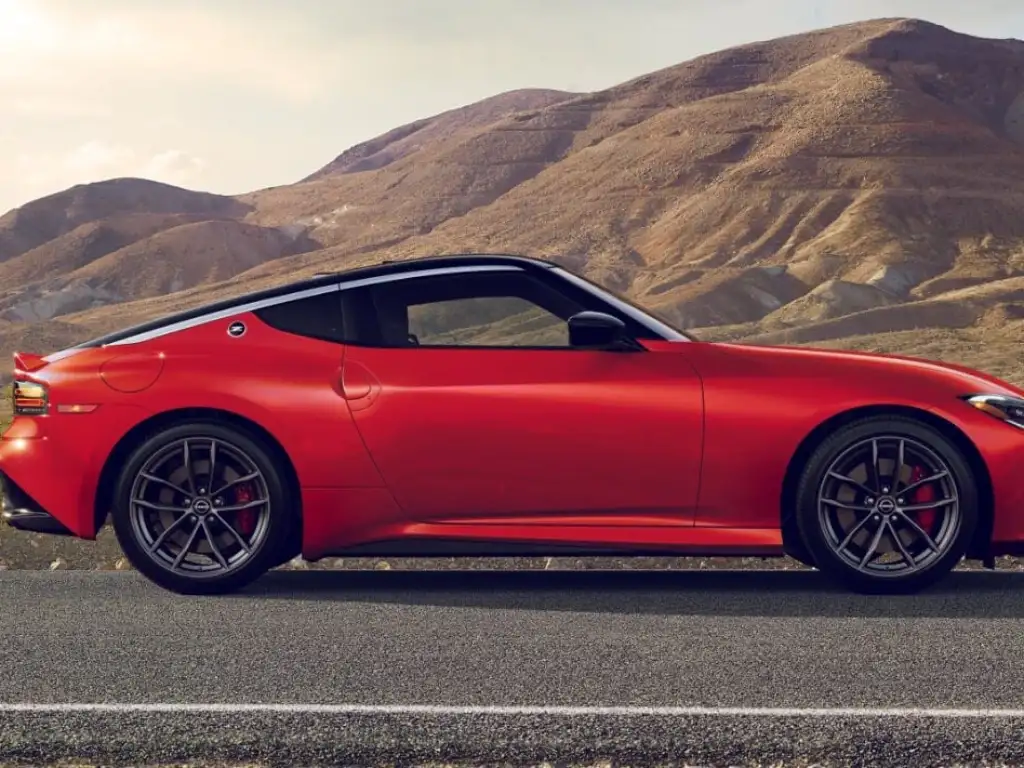
2025 Subaru BRZ vs 2026 Nissan Z

2026 Mazda MX-5 Miata vs 2025 Subaru BRZ
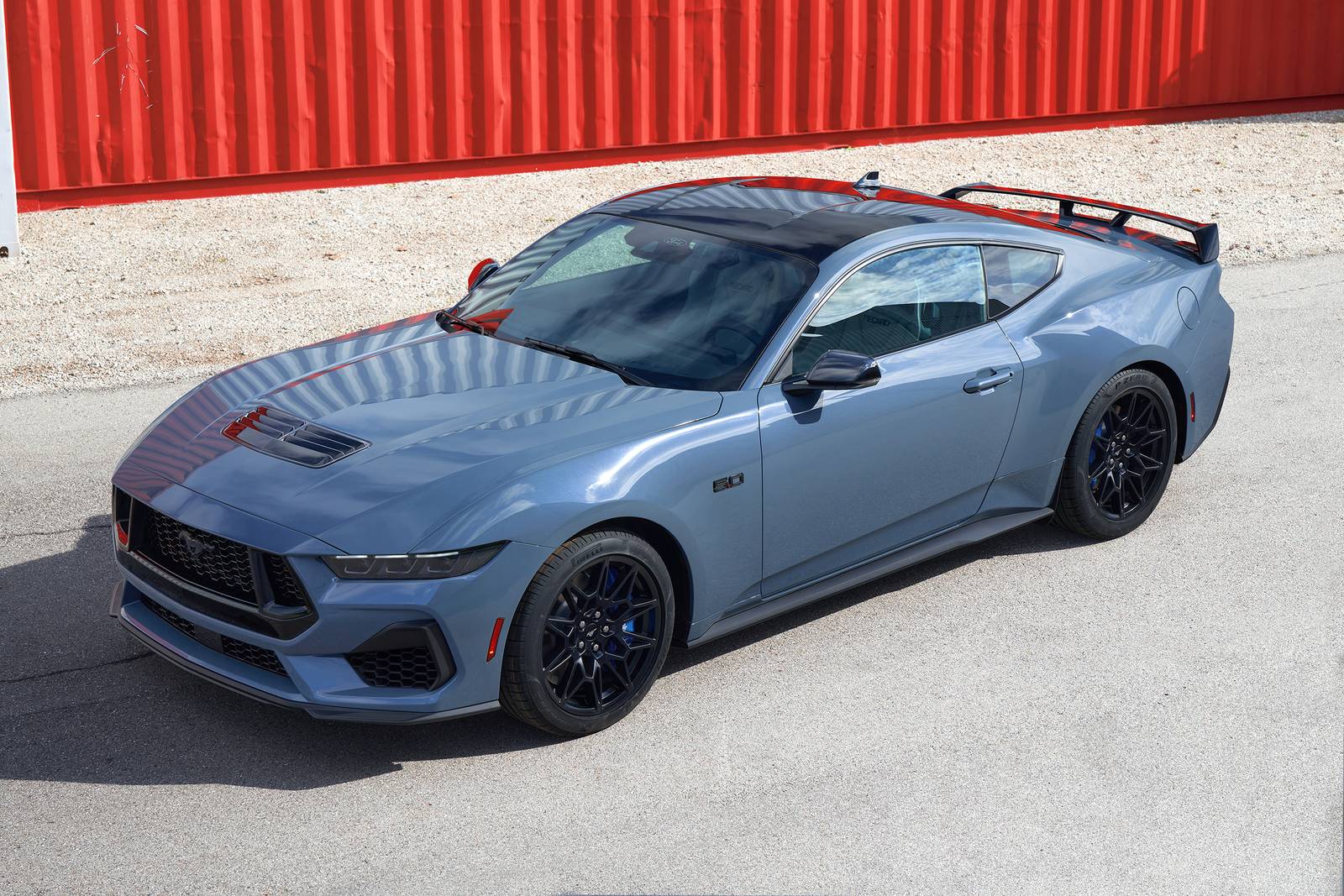
2026 Ford Mustang vs 2026 Nissan Z

2026 Toyota GR86 vs 2025 Subaru BRZ

2026 Mazda MX-5 Miata vs Ford Mustang

2026 Mazda MX-5 Miata vs Nissan Z
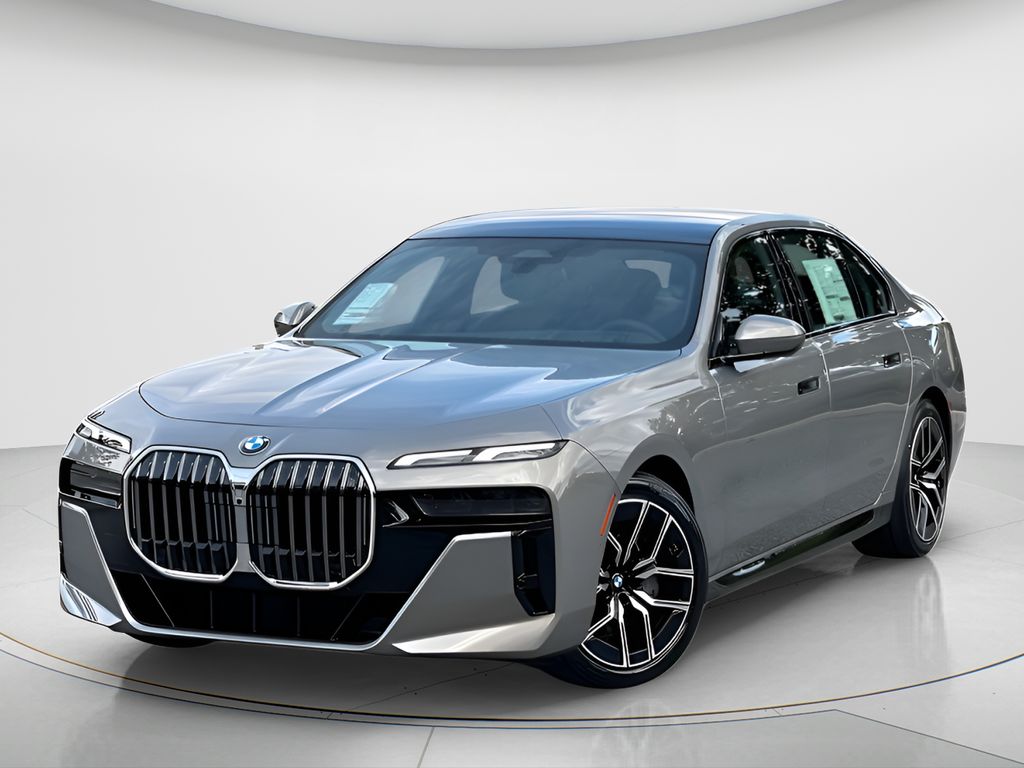
2026 BMW 7-Series vs 2025 Audi A8
2026 Toyota GR86 vs 2026 Mazda MX-5 Miata