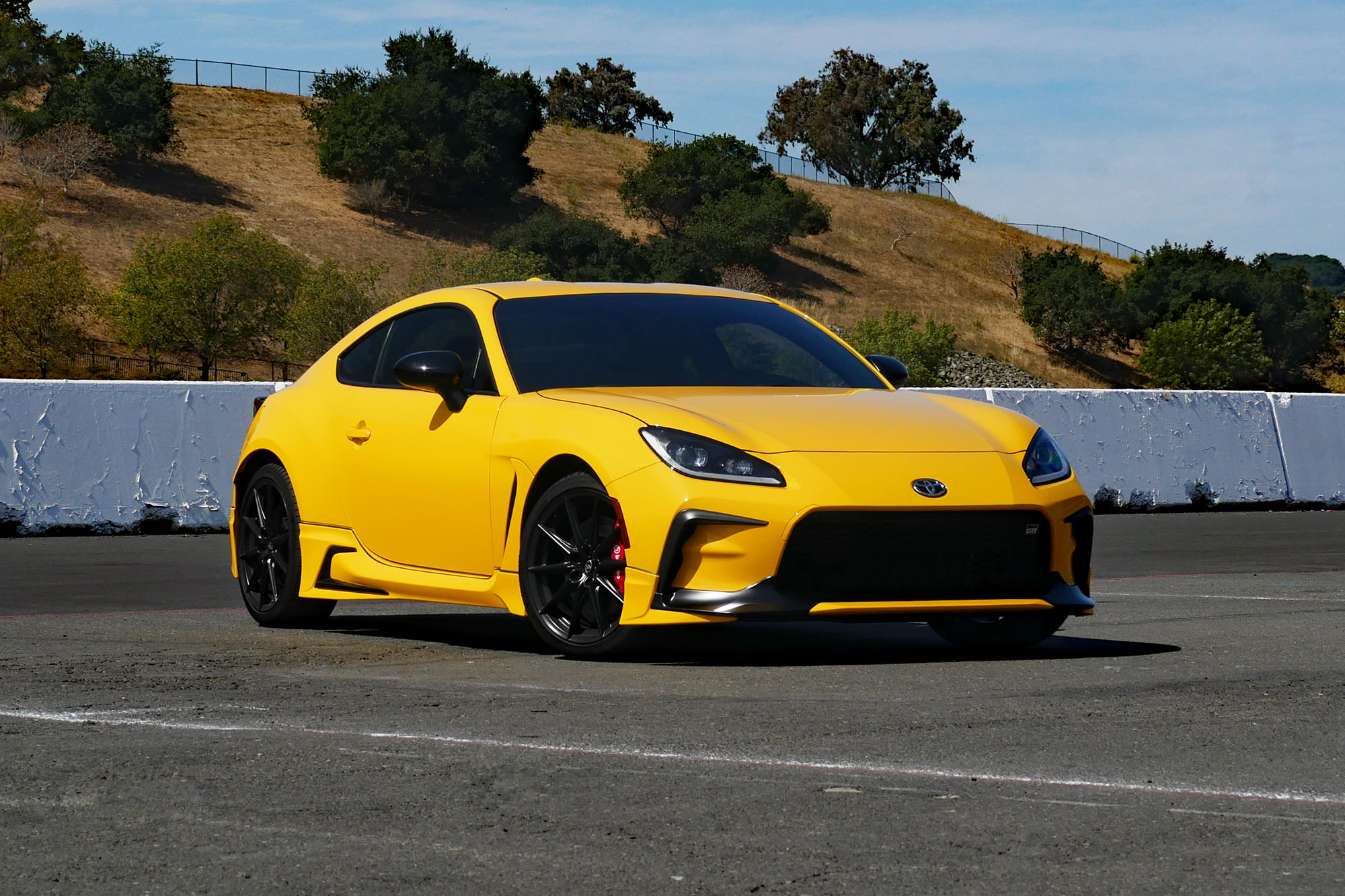
2025 Subaru BRZ vs 2026 Nissan Z
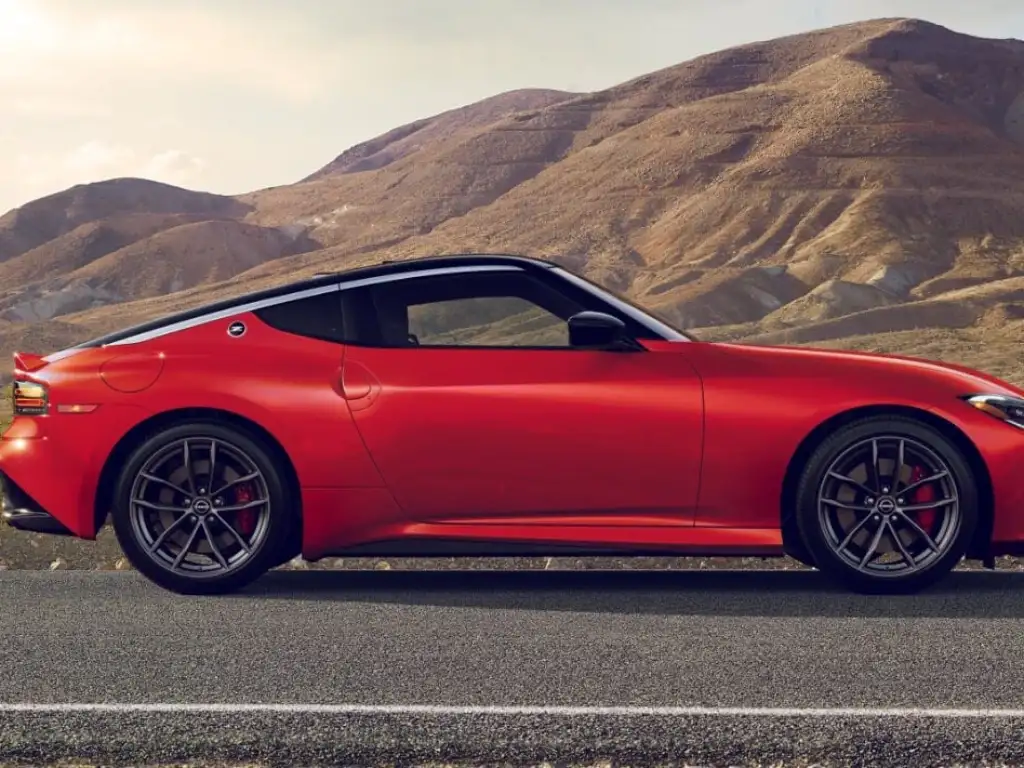
2025 Subaru BRZ vs 2026 Nissan Z — if you are shopping for a rear-wheel-drive Japanese sports coupe in 2026, these two names sit at opposite ends of the same enthusiast spectrum. One is a featherweight, naturally aspirated purist machine built around the joy of momentum driving. The other is a twin-turbocharged, heritage-rich grand tourer that channels five decades of Z-car lineage into a modern 400-horsepower package. Both offer manual transmissions, both reward skilled drivers, and both represent the last stand of affordable, front-engine, RWD coupes in an increasingly electrified world.
This comprehensive buyer guide breaks down every specification, trim level, pricing tier, performance metric, and real-world ownership consideration to help you decide which coupe belongs in your garage. We cover EPA fuel economy, insurance implications, track-day viability, daily drivability, and long-term value retention so you can make an informed purchase decision.
Quick Comparison: 2025 Subaru BRZ vs 2026 Nissan Z at a Glance
| Specification | 2025 Subaru BRZ (tS) | 2026 Nissan Z (Performance) | 2026 Nissan Z (NISMO) |
|---|---|---|---|
| Base MSRP | $36,245 | $52,970 | $65,750 |
| Engine | 2.4L naturally aspirated flat-4 | 3.0L twin-turbo V6 (VR30DDTT) | 3.0L twin-turbo V6 (NISMO-tuned) |
| Horsepower | 228 hp @ 7,000 rpm | 400 hp @ 6,400 rpm | 420 hp @ 6,400 rpm |
| Torque | 184 lb-ft @ 3,700 rpm | 350 lb-ft @ 1,600–5,600 rpm | 384 lb-ft @ 2,000–5,200 rpm |
| Transmission | 6-speed manual or 6-speed automatic | 6-speed manual or 9-speed automatic | 9-speed automatic only |
| Drivetrain | Rear-wheel drive | Rear-wheel drive | Rear-wheel drive |
| Curb Weight | ~2,860 lbs (tS) | 3,486–3,549 lbs | 3,673 lbs |
| 0–60 mph | ~5.5 seconds | ~4.5 seconds (Performance) | ~3.9 seconds |
| Quarter Mile | ~14.0 sec @ 101 mph | ~13.0 sec @ 110 mph (est.) | 12.4 sec @ 114 mph |
| Seating | 4 (2+2) | 2 | 2 |
| Cargo Space | 6.3 cu ft | ~8.5 cu ft | ~8.5 cu ft |
| EPA City / Hwy / Combined | 20 / 27 / 22 mpg (manual) | 18 / 24 / 20 mpg (manual) | 17 / 24 / 19 mpg |
| Fuel Requirement | Premium unleaded (91+ octane) | Premium unleaded | Premium unleaded |
| Suspension (Front / Rear) | MacPherson strut / double wishbone | Double wishbone / multi-link | NISMO-tuned double wishbone / multi-link |
| Brakes (Front / Rear) | Brembo 12.8″ vented / 12.4″ vented (tS) | 14.0″ vented / 13.8″ vented (Perf.) | 15.0″ vented / 13.8″ vented |
| Wheels | 18-inch alloy (tS) | 19-inch RAYS forged (Perf.) | 19-inch NISMO RAYS forged |
| Infotainment | 8.0-inch touchscreen | 9.0-inch touchscreen + 12.3″ digital cluster | 9.0-inch touchscreen + 12.3″ digital cluster |
| Audio | 6-speaker standard | 8-speaker Bose premium | 8-speaker Bose premium |
| Limited-Slip Differential | Standard (Torsen-type) | Mechanical LSD (Performance+) | Mechanical LSD |
| Warranty | 3 years / 36,000 miles | 3 years / 36,000 miles | 3 years / 36,000 miles |
| Powertrain Warranty | 5 years / 60,000 miles | 5 years / 60,000 miles | 5 years / 60,000 miles |
2026 Nissan Z Overview: Heritage Meets Twin-Turbo Fury
The 2026 Nissan Z represents the seventh generation of one of the most storied nameplates in Japanese automotive history. Debuting as the Datsun 240Z in 1969, the Z lineage has always balanced accessible performance with timeless styling. The 2026 model carries that torch with a 3.0-liter twin-turbo V6 (VR30DDTT) producing 400 horsepower and 350 lb-ft of torque in Sport and Performance trims, while the flagship NISMO variant pushes output to 420 horsepower and 384 lb-ft of torque.
For 2026, Nissan introduces the highly anticipated Heritage Edition, a limited-production package paying homage to the fourth-generation 300ZX “Z32” (1990–1996). Only 500 units will be produced for the United States, featuring exclusive Midnight Purple paint — a color previously reserved for the Nissan GT-R — bronze 19-inch RAYS forged wheels, a carbon-fiber ducktail spoiler with retro “Twin Turbo” badging, and Z32-inspired side graphics. The Heritage Edition is exclusively available on the Performance grade and commands a $2,940 premium over the standard Performance MSRP of $52,970, bringing the total to $55,910 before destination charges.
2026 Nissan Z Trim Levels and Pricing
- Z Sport — Starting at $42,970 (MSRP). Features the 400-hp twin-turbo V6, 18-inch wheels, 8-inch touchscreen, Apple CarPlay/Android Auto, and Intelligent Cruise Control. Available with 6-speed manual or 9-speed automatic at the same price point.
- Z Performance — Starting at $52,970 (MSRP). Adds mechanical limited-slip differential, 19-inch RAYS forged wheels, Akebono performance brakes (4-piston front/2-piston rear), 9-inch touchscreen with navigation, Bose 8-speaker audio, heated power seats, and aluminum sport pedals. Available with 6-speed manual or 9-speed automatic.
- Z Heritage Edition — $55,910 (MSRP). Performance grade hardware plus exclusive Midnight Purple paint, bronze RAYS wheels, carbon-fiber spoiler, Twin Turbo graphics, and unique interior details. Limited to 500 units. Manual or automatic available.
- Z NISMO — Starting at $65,750 (MSRP). Track-focused variant with 420 hp, NISMO-tuned suspension, stiffer spring rates, unique chassis bracing, 15-inch front brake rotors, Dunlop SP Sport Maxx GT600 tires, Recaro seats, and exclusive Stealth Gray paint. Automatic transmission only.
All prices exclude Nissan’s $1,295 destination and handling charge. The Z Sport and Performance grades do not charge a premium for the manual transmission — a rarity in 2026 and a significant value proposition for enthusiast buyers who prefer three pedals.
2026 Nissan Z Performance and Driving Dynamics
The VR30DDTT engine is a masterpiece of forced induction. With peak torque arriving at just 1,600 rpm and holding steady through 5,600 rpm, the Z delivers relentless mid-range punch that makes highway passing effortless and canyon carving addictive. Car and Driver instrumented testing recorded a 0–60 mph time of 4.5 seconds for the Performance trim and a blistering 3.9 seconds for the NISMO variant. The quarter-mile passes in 12.4 seconds at 114 mph for the NISMO — genuine supercar territory just a decade ago.
However, the Z is not without dynamic compromises. The standard Sport and Performance suspension tuning leans slightly soft for a sports car, exhibiting body roll when pushed to absolute limits. The NISMO corrects this with track-ready stiffness, but the trade-off is a punishing ride on imperfect pavement. The steering, while accurate, has been criticized by some reviewers as lacking the granular feedback of the best hydraulic racks. That said, the Z’s 12.3-inch digital instrument cluster offers three selectable modes (Normal, Enhanced, Sport) that transform the cockpit ambiance from refined GT to focused track machine.
2025 Subaru BRZ Overview: The Purist’s Lightweight Champion

The 2025 Subaru BRZ — and its mechanical twin, the Toyota GR86 — is the modern embodiment of the classic lightweight sports coupe formula. Co-developed with Toyota, the BRZ utilizes Subaru’s signature 2.4-liter naturally aspirated boxer (horizontally opposed) four-cylinder engine, producing 228 horsepower at 7,000 rpm and 184 lb-ft of torque at 3,700 rpm. While these figures seem modest compared to the Nissan Z’s twin-turbo V6, the BRZ’s secret weapon is its curb weight: approximately 2,860 pounds in tS trim, roughly 600–800 pounds lighter than the Z, depending on configuration.
The second-generation BRZ (introduced in 2022) addressed the original’s primary weakness — the 2.0-liter engine’s torque dip — with the larger 2.4-liter displacement. The result is a linear powerband that rewards high-RPM operation while maintaining adequate low-end response for daily driving. The BRZ is one of the few remaining new cars that genuinely encourages you to rev it to redline, not because you must, but because the engine, chassis, and steering all conspire to make the experience exhilarating.
2025 Subaru BRZ Trim Levels and Pricing
- Premium — Starting at $31,095 (MSRP). Base model with 17-inch wheels, 6-speed manual transmission, Torsen limited-slip differential, and 7-inch digital instrument cluster. Automatic transmission not available on this trim.
- Limited — Starting at $33,745 (manual) / $34,595 (automatic). Adds 18-inch wheels, heated front seats, leather and suede upholstery, blind-spot monitoring, and rear cross-traffic alert. The only trim offering an automatic transmission option.
- Series.Purple — $36,615 (MSRP). Limited to 500 units, manual transmission only, exclusive Galaxy Purple Pearl paint, and unique interior accents.
- tS — Starting at $36,245 (MSRP). The enthusiast’s choice, featuring STI-tuned suspension with Hitachi dampers, Brembo brakes (12.8-inch front / 12.4-inch rear vented rotors), 18-inch wheels with Michelin Pilot Sport 4 tires, and unique exterior badging. Manual transmission only.
All prices exclude Subaru’s $1,120 destination charge. The BRZ undercuts the Nissan Z Sport by over $11,000, making it one of the most affordable rear-wheel-drive sports cars on the market. For buyers prioritizing driving engagement over outright power, the BRZ delivers arguably the highest thrills-per-dollar ratio of any new vehicle sold in 2026.
2025 Subaru BRZ Performance and Driving Dynamics
Car and Driver recorded a 0–60 mph time of 5.5 seconds for the BRZ tS — respectable but not headline-grabbing. The quarter-mile passes in 14.0 seconds at 101 mph. Top speed is electronically limited to 140 mph. On paper, these numbers lag far behind the Nissan Z. But numbers only tell half the story.
Where the BRZ truly shines is in transitional handling. The low center of gravity (courtesy of the flat-four engine architecture), near-perfect 53/47 front-to-rear weight distribution, and communicative electric power steering create a chassis that feels alive at any speed. The BRZ rotates willingly into corners, the rear end can be coaxed into a controlled slide with throttle input, and the limited-slip differential puts power down effectively when exiting turns. The tS trim’s STI-tuned dampers and Brembo brakes elevate track performance without ruining street manners, though the ride remains firm and road noise is ever-present.
The six-speed manual transmission deserves special praise. With short, precise throws and a well-weighted clutch, it is one of the best manual gearboxes available at any price. The automatic transmission (available only on the Limited trim) is competent but uninspired — this is a car that demands a manual.
Head-to-Head: Performance Comparison
Acceleration and Straight-Line Speed
There is no contest here. The 2026 Nissan Z’s twin-turbo V6 generates 172 more horsepower and 166 more lb-ft of torque than the BRZ’s naturally aspirated flat-four. The Z Performance reaches 60 mph in 4.5 seconds — a full second quicker than the BRZ tS. The NISMO variant’s 3.9-second sprint puts it in the company of Porsche 718 Caymans and Chevrolet Corvettes.
However, the BRZ’s lighter weight partially offsets the power deficit. With a power-to-weight ratio of approximately 12.5 lbs per horsepower (versus the Z Performance’s 8.7 lbs/hp), the BRZ feels quicker than its 0–60 time suggests, especially when already rolling. The BRZ’s engine must be worked hard to extract performance — redline starts, aggressive downshifts, and momentum conservation are mandatory. The Z, by contrast, delivers devastating acceleration with minimal effort, its torque-rich turbocharged powerband making every gear feel like a sledgehammer.
Handling and Cornering Capability
This is where the comparison becomes nuanced. The BRZ’s lower mass, lower center of gravity, and smaller dimensions make it the more agile dancer. It changes direction with telepathic immediacy, and its chassis communicates every nuance of road surface texture through the steering wheel and seat. On tight, technical roads — the kind where third gear is rarely needed — the BRZ can match or even surpass the Z’s pace because it carries less momentum into corners and exits with less drama.
The Z, particularly in NISMO guise, generates significantly more mechanical grip. Its wider tires, more sophisticated double-wishbone front suspension, and greater aerodynamic downforce allow it to corner at higher absolute speeds. Car and Driver recorded 1.02 g on the 300-foot skidpad for the Z NISMO versus approximately 0.97 g for the BRZ tS. The Z’s braking performance is also superior, with the Performance trim’s 14.0-inch front rotors and the NISMO’s massive 15.0-inch rotors providing fade-resistant stopping power that the BRZ’s smaller Brembo setup cannot match during extended track sessions.
The verdict: The BRZ is more fun at 7/10ths driving; the Z is faster at 10/10ths. If your priority is backroad carving and autocross, the BRZ’s playfulness wins. If you frequent track days and high-speed sweepers, the Z’s grip and power dominate.
Transmission Choices
Both cars offer six-speed manual transmissions, but the Z adds a sophisticated 9-speed automatic option with paddle shifters and Launch Control. The BRZ’s automatic is a conventional 6-speed torque-converter unit available only on the Limited trim. Enthusiasts will gravitate toward the manuals in both cars, but the Z’s 9-speed is genuinely competent — quick shifts, intelligent downshift logic, and seamless integration with the turbocharged torque curve. The NISMO is automatic-only, which may disappoint purists but aligns with its track-focused mission where consistent shift timing matters more than driver involvement.
The Z manual features SynchroRev Match on Performance and Heritage Edition trims — an automated heel-toe downshift blipper that makes even novice drivers sound like professionals. The BRZ lacks this feature but offers a more organic, unfiltered connection between driver and machine.
Interior, Technology, and Daily Usability
Cabin Design and Materials
The 2026 Nissan Z’s interior successfully blends retro design cues with modern technology. The three gauges atop the dashboard (turbo boost pressure, turbine speed, and battery voltage) pay homage to Z cars of the 1970s, while the 12.3-inch fully digital instrument cluster offers crisp, configurable graphics. The Performance and NISMO trims feature leather-appointed power seats with heating, aluminum sport pedals, and suede door trim. The NISMO adds manually adjustable Recaro buckets with Alcantara inserts that provide exceptional track support but may feel confining during long highway stints.
The BRZ’s interior is more Spartan by design. The 8.0-inch touchscreen (upgraded from the first generation’s smaller unit) supports Apple CarPlay and Android Auto but lacks the Z’s navigation integration and Wi-Fi hotspot. The digital instrument cluster is functional but not as visually impressive as the Z’s. Materials are durable but unremarkable — hard plastics dominate, and the audio system is adequate at best. The BRZ makes no apologies for prioritizing driving dynamics over luxury; it is a tool, not a lounge.
Seating and Practicality
This is perhaps the BRZ’s most significant practical advantage. While its rear seats are laughably small for adult humans (legroom measures just 29.9 inches), they fold flat to create a pass-through capable of swallowing four track tires or a set of golf clubs. The BRZ is a genuine 2+2 coupe with a usable trunk, making it surprisingly practical for weekend getaways. Total cargo capacity is 6.3 cubic feet.
The Nissan Z is strictly a two-seater. Its cargo area offers approximately 8.5 cubic feet of volume — larger than the BRZ’s trunk — but the lack of fold-down seats limits versatility. The Z is better suited to grand touring (two people, luggage for a weekend) than the BRZ’s utility-focused layout. For single drivers or couples without children, the difference is negligible. For buyers who occasionally need to transport cargo, the BRZ’s fold-down seats are a game-changer.
Infotainment and Connectivity
The Z’s 9.0-inch touchscreen (Performance and above) runs NissanConnect software with integrated navigation, Wi-Fi hotspot capability, and NissanConnect Services for remote vehicle monitoring. The 8-speaker Bose audio system is custom-tuned for the Z’s cabin acoustics and delivers genuinely impressive sound quality. Apple CarPlay and Android Auto are standard across all trims.
The BRZ’s 8.0-inch touchscreen supports Apple CarPlay and Android Auto but lacks built-in navigation and the premium audio upgrade. The interface is responsive but visually dated. For buyers who rely on smartphone navigation and streaming audio, the BRZ’s system is perfectly adequate. For those seeking a more integrated, luxury-car experience, the Z’s technology suite is clearly superior.
Fuel Economy and Cost of Ownership
EPA Ratings and Real-World Efficiency
| Model | City MPG | Highway MPG | Combined MPG | Annual Fuel Cost* |
|---|---|---|---|---|
| BRZ (manual) | 20 | 27 | 22 | ~$2,450 |
| BRZ (automatic) | 21 | 30 | 25 | ~$2,150 |
| Z Sport (manual) | 18 | 24 | 20 | ~$2,700 |
| Z Sport (automatic) | 19 | 28 | 22 | ~$2,450 |
| Z NISMO | 17 | 24 | 19 | ~$2,850 |
*Based on 15,000 annual miles, premium fuel at $4.50/gallon, and EPA combined ratings.
The BRZ holds a modest efficiency advantage, particularly in automatic form, where it achieves an impressive 30 mpg highway. However, the real-world gap narrows during spirited driving — the BRZ’s engine must be revved to its upper registers to deliver performance, consuming more fuel than the EPA cycle suggests. The Z’s turbocharged torque allows for lazy, low-RPM cruising that can actually exceed EPA estimates on the highway. Both cars require premium unleaded fuel (91+ octane minimum), so budget accordingly.
Insurance, Maintenance, and Depreciation
Insurance premiums for the Nissan Z will be significantly higher than those for the BRZ due to its greater power, higher MSRP, and two-seat configuration. Expect to pay 30–50% more for comprehensive coverage on the Z. The BRZ’s lower price point, four-seat designation (which insurers view more favorably), and less aggressive power output make it the budget-friendly choice for younger drivers or those with limited insurance history.
Maintenance costs are comparable — both vehicles use synthetic oil, have similar service intervals, and benefit from Japanese manufacturing quality. The Z’s twin-turbo engine is more complex and may incur higher long-term repair costs as the vehicle ages, particularly if turbocharger components require replacement outside of warranty. The BRZ’s naturally aspirated flat-four is mechanically simpler and has a proven reliability record dating back to 2012.
Depreciation is a wildcard. The BRZ has historically held value well due to its low production volume and cult enthusiast following, but its higher volume (relative to the Z) means supply is less constrained. The Nissan Z’s limited production — particularly the 500-unit Heritage Edition — suggests strong residual values for special variants. The NISMO trim, with its track-focused pedigree, may also depreciate more slowly than the standard Sport grade. For buyers viewing their purchase as a long-term investment, the Z’s rarity and heritage factor provide a compelling hedge against depreciation.
Safety Features and Driver Assistance
Neither the 2025 Subaru BRZ nor the 2026 Nissan Z prioritizes advanced driver assistance systems — these are drivers’ cars, not autonomous shuttles. However, both offer baseline safety technology that meets modern expectations.
The 2026 Nissan Z comes standard with Automatic Emergency Braking with Pedestrian Detection, Blind Spot Warning, Lane Departure Warning, Intelligent Forward Collision Warning, Rear Cross Traffic Alert, and Intelligent Cruise Control. The Performance and NISMO trims add front and rear parking sensors. The Z has not been fully tested by the IIHS or NHTSA as of publication, which is common for low-volume sports cars.
The 2025 Subaru BRZ includes EyeSight driver assist technology on automatic transmission models, featuring adaptive cruise control, pre-collision braking, lane departure warning, and lead vehicle start alert. Manual transmission models (which comprise the majority of BRZ sales) forgo EyeSight but retain a backup camera, stability control, traction control, and tire pressure monitoring. The BRZ has earned “Good” ratings from the IIHS in all tested categories, including small overlap front, moderate overlap front, side impact, roof strength, and rear crash protection.
For buyers who prioritize safety technology, the Z’s more comprehensive standard suite provides peace of mind. For purists who view driver aids as unwanted interference, the BRZ manual’s stripped-down approach is refreshingly analog.
Track Day Viability and Motorsport Potential
Both cars are popular choices for amateur track day enthusiasts, but they approach the circuit with different philosophies.
The BRZ is the quintessential momentum car. Its modest power means you must carry speed through every corner, using the chassis’s exceptional balance and the limited-slip differential to maintain momentum. The tS trim’s Brembo brakes resist fade better than the base model’s setup, but serious track rats will still want to upgrade to high-temperature brake fluid and possibly larger rotors for extended lapping sessions. The BRZ’s light weight reduces tire and brake consumption, making it one of the most affordable cars to run on track. Aftermarket support is vast — coilovers, sway bars, supercharger kits, and aero components are readily available from brands like Cusco, GReddy, and HKS.
The Z NISMO is essentially track-ready from the dealership. Its 15-inch front brake rotors, Dunlop SP Sport Maxx GT600 tires (the same compound used on the Nissan GT-R), NISMO-tuned suspension, and chassis bracing allow it to lap most circuits faster than the BRZ with minimal modification. The 420-hp engine provides explosive corner exits, and the 9-speed automatic’s rapid shifts keep the turbochargers spooled. However, the Z’s greater weight and power generate more thermal load on brakes and tires, increasing consumable costs. The NISMO’s stiff suspension also demands smooth track surfaces — on bumpy club circuits, the BRZ’s more compliant setup may actually be faster and more forgiving.
For HPDE (High Performance Driver Education) beginners, the BRZ is the superior learning tool. Its lower limits are approachable, mistakes are less costly, and the car teaches the fundamentals of weight transfer, trail braking, and throttle steering. For experienced drivers seeking lap time records, the Z NISMO’s raw performance is undeniable.
Which One Should You Buy? A Decision Framework
Buy the 2025 Subaru BRZ If:
- You prioritize driving engagement and chassis feel over straight-line speed
- Your budget is under $40,000
- You want a daily-driver-friendly sports car with reasonable fuel economy
- You occasionally need to carry cargo or small rear-seat passengers
- You plan to attend autocross or track days on a budget
- You prefer a naturally aspirated engine with linear throttle response
- You want the lightest possible chassis for backroad carving
- You value the simplicity and reliability of a non-turbo powertrain
Buy the 2026 Nissan Z If:
- You want genuine supercar acceleration (sub-4-second 0–60 in NISMO trim)
- You appreciate heritage design and the Z-car legacy
- You desire a more refined, GT-capable interior for long drives
- You want a twin-turbo engine with massive tuning potential
- You plan to modify your car with bolt-ons (intake, exhaust, tune) for 500+ hp
- You want a car that turns heads and starts conversations
- You value the exclusivity of limited-production variants like the Heritage Edition
- You prefer a car with modern tech integration and premium audio
2025 Subaru BRZ vs 2026 Nissan Z: Final Verdict
The 2025 Subaru BRZ and 2026 Nissan Z are not direct competitors in the traditional sense — they occupy different price brackets, power categories, and philosophical spaces. Yet they are both Japanese rear-wheel-drive coupes that celebrate the analog driving experience in an era of electrification and automation. Choosing between them is less about objective superiority and more about personal driving philosophy.
The BRZ is the purest expression of “slow car fast.” It demands effort, skill, and commitment to extract its performance, rewarding the driver with an unfiltered connection to the road. It is affordable, practical, and mechanically honest. For enthusiasts who measure fun in smiles per gallon rather than quarter-mile times, the BRZ is arguably the best sports car under $40,000.
The Z is a modern muscle car wrapped in heritage styling. Its twin-turbo V6 delivers effortless speed, its interior coddles occupants on long journeys, and its design commands attention wherever it goes. The Heritage Edition adds collector-grade exclusivity to an already compelling package. For buyers who want 90% of a Porsche 911 Carrera’s performance at half the price, the Z is a remarkable value proposition.
Ultimately, the ideal garage might contain both: the BRZ for Tuesday night autocross and canyon carving, the Z for Saturday morning Cars & Coffee and cross-country road trips. But if you must choose one, let your heart decide whether you prefer the challenge of carrying speed or the thrill of making speed. Either way, you are preserving a dying breed of driver-focused machinery — and that makes you part of the solution, not the problem.
Frequently Asked Questions (FAQ)
Is the 2026 Nissan Z worth the price premium over the BRZ?
Yes, if you value power, refinement, and heritage. The Z offers nearly double the horsepower, a more luxurious interior, and significantly faster acceleration. However, the BRZ delivers superior driving engagement per dollar spent. For buyers on a budget, the BRZ is the smarter financial choice. For those seeking a genuine performance machine with daily usability, the Z justifies its premium.
Can the Subaru BRZ beat the Nissan Z on a racetrack?
On tight, technical circuits with short straights, a skilled BRZ driver can match or beat a novice Z driver. However, on high-speed tracks with long straightaways, the Z’s power advantage is insurmountable. In equal hands, the Z NISMO will lap virtually any circuit faster than the BRZ tS.
Which car holds its value better?
Both cars have strong enthusiast followings that support resale values. The BRZ benefits from higher production volume and broader market appeal. The Z’s limited production — especially the 500-unit Heritage Edition — suggests stronger long-term collectibility. Special editions of both cars (BRZ Series. Purple, Z Heritage Edition) will likely appreciate or hold value best.
Is the BRZ too slow for highway driving?
Absolutely not. While the BRZ is not a drag racer, its 5.5-second 0–60 time is quicker than most economy cars and sufficient for confident highway merging. The engine’s willingness to rev and the manual transmission’s short gearing make it feel sprightly in real-world traffic. The only scenario where the BRZ feels underpowered is when competing for position on high-speed autobahn-style roads.
Does the Nissan Z require more maintenance than the BRZ?
The Z’s twin-turbo engine is more complex and may incur higher long-term maintenance costs, particularly if turbocharger components need replacement after the 5-year/60,000-mile powertrain warranty expires. The BRZ’s naturally aspirated flat-four is simpler and has a longer track record of reliability. Both cars require synthetic oil changes and premium fuel.
Which car is better for a first-time sports car buyer?
The BRZ is the better choice for first-time sports car owners. Its lower price, forgiving handling limits, and lower insurance costs make it accessible. The Z’s 400+ horsepower can be overwhelming for inexperienced drivers, particularly in wet conditions where turbocharged torque arrives abruptly.

2026 Toyota GR86 vs 2025 Subaru BRZ

2025 Subaru BRZ vs 2026 Ford Mustang

2026 Mazda MX-5 Miata vs Nissan Z
2026 Ford Mustang vs 2026 Nissan Z
2026 Toyota GR86 vs 2026 Nissan Z
2026 BMW 7-Series vs 2025 Audi A8

2026 Mazda MX-5 Miata vs 2025 Subaru BRZ
2025 Audi A7 vs 2025 Audi A8