2026 BMW 7-Series vs 2025 Audi A8
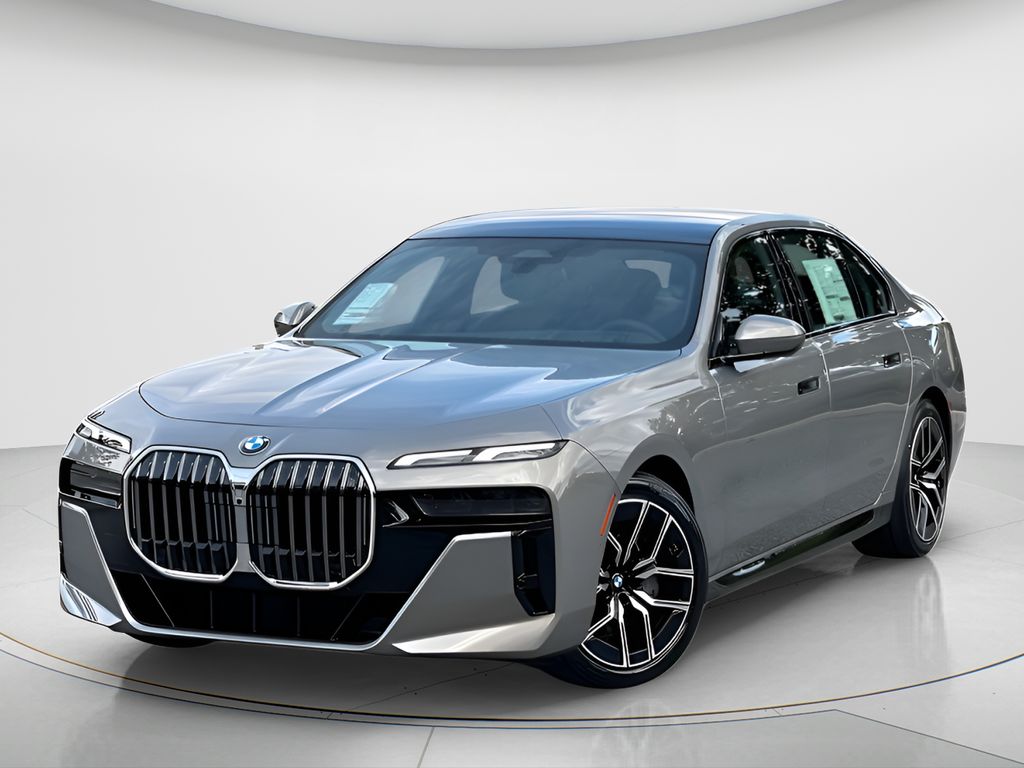
The 2026 BMW 7-Series vs 2025 Audi A8 — choosing between these two flagship luxury sedans is one of the most consequential decisions a buyer can make in the full-size luxury segment. Both vehicles represent the pinnacle of German engineering, but they approach the luxury sedan formula from fundamentally different directions. The BMW 7-Series leans into bold, technology-forward design and a wider range of powertrain options, while the Audi A8 champions understated elegance, all-wheel-drive confidence, and a more traditional approach to executive motoring. This comprehensive buyer guide breaks down every critical factor — from pricing and performance to interior luxury and safety technology — to help you make the right choice for your needs and budget in 2026.
Table of Contents
- Pricing & Value Analysis
- Performance & Powertrain Options
- Fuel Economy & Efficiency
- Interior, Comfort & Cargo Space
- Technology & Infotainment
- Safety & Driver-Assistance Features
- Exterior Design & Styling
- Warranty, Maintenance & Ownership Costs
- Head-to-Head Comparison Table
- Final Verdict: Which Luxury Sedan Should You Buy?
- Frequently Asked Questions (FAQ)
Pricing & Value Analysis
When comparing the 2026 BMW 7-Series vs 2025 Audi A8, pricing is often the first consideration for discerning luxury sedan buyers. The 2026 BMW 7-Series lineup starts at approximately $99,300 for the base 740i sedan, climbing to around $117,395 for the V8-powered 760i xDrive, with the plug-in hybrid 750e xDrive positioned in between. The fully electric BMW i7 variants push pricing even higher, with the i7 M70 xDrive commanding a significant premium. On the other hand, the 2025 Audi A8 begins at a more accessible $92,000 to $93,295 for the A8 L 55 TFSI quattro, with the performance-oriented S8 starting around $155,850.
From a pure value perspective, the Audi A8 undercuts the BMW 7-Series by roughly $6,000 to $7,000 at the entry level, making it an attractive proposition for buyers who want flagship luxury without the flagship price tag. However, the BMW justifies its premium with a broader powertrain portfolio, more advanced rear-seat entertainment options, and complimentary scheduled maintenance that Audi does not offer. For buyers cross-shopping these two sedans, the question becomes whether the BMW’s additional technology, performance options, and ownership perks justify the price gap.
It’s also worth noting that both vehicles sit below the Mercedes-Benz S-Class in starting price, positioning them as slightly more accessible alternatives to the segment benchmark. The Genesis G90 undercuts both, but lacks the brand cachet and dealership network of the German duo. For 2026, BMW has refined the 7-Series with updated iDrive software and subtle exterior enhancements, while the 2025 Audi A8 receives minor trim and package updates, including new 21-inch wheel designs and expanded leather upholstery options.
Performance & Powertrain Options
The 2026 BMW 7-Series vs 2025 Audi A8 comparison reveals a stark difference in powertrain diversity. BMW offers three distinct powertrains across the 7-Series range, giving buyers significantly more choice than Audi’s single-engine approach for the standard A8.
2026 BMW 7-Series Powertrain Lineup
- 740i / 740i xDrive: 3.0-liter turbocharged inline-six with a 48-volt mild-hybrid system producing 375 horsepower and 383 lb-ft of torque. Rear-wheel drive is standard, with xDrive all-wheel drive optional. 0-60 mph in 5.2 seconds (4.9 seconds with xDrive).
- 750e xDrive: Plug-in hybrid combining a 3.0-liter turbo inline-six with an electric motor for 483 horsepower and 516 lb-ft of torque. All-wheel drive is standard. 0-60 mph in 4.6 seconds. EPA-estimated 34 miles of electric-only range.
- 760i xDrive: Twin-turbocharged 4.4-liter V8 with a 48-volt mild-hybrid system delivering 536 horsepower and 553 lb-ft of torque. All-wheel drive is standard. Independent testing recorded 0-60 mph in just 3.5 seconds, outperforming the V8-powered Mercedes-Benz S580.
2025 Audi A8 Powertrain
- A8 L 55 TFSI quattro: 3.0-liter turbocharged V6 with a 48-volt mild-hybrid system producing 335 horsepower and 369 lb-ft of torque. Quattro all-wheel drive is standard across the entire A8 lineup. 0-60 mph in approximately 5.6 seconds.
- S8: 4.0-liter twin-turbo V8 with mild-hybrid assist generating 563 horsepower and 590 lb-ft of torque. This is a separate model from the standard A8 and competes more directly with the BMW 760i.
The performance gap is immediately apparent. Even the base BMW 740i outmuscles the sole Audi A8 engine by 40 horsepower and 14 lb-ft of torque. The BMW’s inline-six is also inherently smoother than Audi’s V6, a characteristic long appreciated by enthusiasts. Where the A8 claws back some ground is in its standard all-wheel-drive system — every A8 sends power to all four wheels, while the base 740i is rear-wheel drive only (xDrive costs extra). For buyers in snowy climates, this could be a decisive factor.
The BMW’s plug-in hybrid 750e xDrive is another differentiator that Audi cannot match. With 34 miles of electric range, the 750e allows daily commutes to be completed on pure electric power while retaining the flexibility of a gasoline engine for longer journeys. The A8 offers no plug-in hybrid variant in the United States for 2025, though European markets have access to the A8 TFSI e.
At the top of the range, the BMW 760i xDrive’s 536-hp V8 and the Audi S8’s 563-hp V8 are more closely matched, though the S8’s additional 27 horsepower comes at a roughly $38,000 premium over the 760i. In independent testing, the 760i reached 60 mph in 3.5 seconds — quicker than the S580 and most competitors in the segment. Both vehicles employ 8-speed automatic transmissions and sophisticated air suspension systems, but BMW adds rear-wheel steering as standard, giving the 7-Series a surprisingly nimble feel for its size.
Fuel Economy & Efficiency
Fuel economy is a critical consideration for luxury sedan buyers, particularly as gas prices remain volatile. In the 2026 BMW 7-Series vs 2025 Audi A8 efficiency battle, BMW holds a clear advantage across the board.
| Model | EPA City MPG | EPA Highway MPG | EPA Combined MPG |
|---|---|---|---|
| BMW 740i | 25 | 31 | 28 |
| BMW 740i xDrive | 24 | 30 | 27 |
| BMW 750e xDrive (PHEV) | 23 | 26 | 25 |
| BMW 760i xDrive | 18 | 25 | 21 |
| Audi A8 L 55 TFSI | 20 | 26 | 22 |
| Audi S8 | 14 | 23 | 17 |
The base BMW 740i achieves an impressive 25 mpg city and 31 mpg highway, significantly outperforming the Audi A8’s 20 mpg city and 26 mpg highway. Even with all-wheel drive, the 740i xDrive matches or exceeds the front-drive-equivalent A8’s efficiency. In real-world testing, a BMW 760i xDrive returned 30 mpg on a 200-mile highway fuel-economy test — a remarkable figure for a 536-hp V8 luxury sedan.
The BMW 750e plug-in hybrid offers the best of both worlds for urban drivers. With 34 miles of EPA-estimated electric range and the ability to recharge via a standard household outlet or Level 2 charger, the 750e can handle daily commutes without consuming a drop of gasoline. When the battery depletes, the hybrid system still delivers respectable combined efficiency. The Audi A8 lacks a comparable plug-in option in the U.S. market, giving BMW a significant advantage for eco-conscious buyers or those with short daily drives.
Both vehicles require premium unleaded gasoline, and both employ 48-volt mild-hybrid systems to improve efficiency during coasting and stop-start situations. The BMW’s larger 19.5-gallon fuel tank (compared to the Audi’s 21.7 gallons) means the 740i can travel approximately 605 miles on the highway between fill-ups — roughly 40 miles farther than the A8 despite the smaller tank, thanks to superior efficiency.
Interior, Comfort & Cargo Space
Step inside either the 2026 BMW 7-Series or the 2025 Audi A8, and you’re greeted by interiors that define modern luxury. Both cabins are meticulously crafted, but they express luxury through different philosophies.
BMW 7-Series Interior
The BMW 7-Series interior is a technological tour de force. The dashboard is dominated by a curved display panel housing a 12.3-inch digital instrument cluster and a 14.9-inch central touchscreen running BMW’s latest iDrive 8.5 (with iDrive 9 rolling out for 2026). Materials include rich-smelling Merino leather, stainless steel accents, glass controls, and optional cashmere upholstery — a rarity in the automotive world. The standard 18-speaker Bowers & Wilkins surround sound system can be upgraded to a 40-speaker Diamond setup that delivers concert-hall acoustics.
Where the 7-Series truly distinguishes itself is in the rear seat. The optional Luxury Rear Seating package transforms the back row into a first-class lounge with power-adjustable reclining seats, massage functions, adjustable neck cushions, and a wireless charging pad. The pièce de résistance is the BMW Theater Screen — a massive 31.3-inch 8K display that deploys from the ceiling, offering streaming via a built-in 5G connection. Rear passengers can control the system through touchscreen displays integrated into the door panels. For buyers who prioritize being driven rather than driving, the 7-Series offers an experience few rivals can match.
Audi A8 Interior

The Audi A8 takes a more restrained approach to luxury. Valcona leather upholstery is standard, with heated rear seats and a leather-wrapped upper dashboard included in the premium package. The cabin design is clean and horizontal, emphasizing width and space rather than vertical drama. Audi’s 12.3-inch Virtual Cockpit digital gauge cluster pairs with a 10.1-inch upper touchscreen and an 8.6-inch lower touchscreen for climate controls — a dual-screen setup that some find more intuitive than BMW’s single large display.
The A8’s rear seat is spacious and comfortable, with 44.3 inches of rear legroom — actually 1 inch more than the BMW 7-Series. However, Audi does not offer a rear entertainment system or reclining executive seats comparable to BMW’s Theater Screen setup. The Bang & Olufsen 17-speaker surround sound system is excellent but lacks the sheer speaker count and power of BMW’s top-tier audio option. Where the A8 excels is in build quality and material consistency — every surface feels expensive, and the assembly tolerances are among the tightest in the industry.
Cargo & Practicality
The BMW 7-Series offers 19 cubic feet of trunk space — generous for the segment and enough to accommodate six carry-on suitcases in independent testing. The Audi A8 provides a more modest 12.5 cubic feet, a significant 6.5-cubic-foot deficit that could matter for buyers who frequently travel with luggage. The BMW’s larger trunk is partly due to its longer overall length (212.2 inches vs. 208.7 inches) and longer wheelbase (126.6 inches vs. 123.2 inches). Both vehicles seat five passengers, though the rear middle seat in each is better suited for occasional use than long-distance comfort.
Technology & Infotainment
Technology is where the 2026 BMW 7-Series vs 2025 Audi A8 rivalry becomes most pronounced. Both vehicles are rolling digital showcases, but BMW pushes further into the future.
The BMW 7-Series runs BMW Operating System 8.5 (transitioning to 9 for 2026), displayed on a curved glass panel that seamlessly integrates the instrument cluster and infotainment screen. The system supports wireless Apple CarPlay and Android Auto, over-the-air updates, and natural voice recognition. The available BMW Theater Screen with Amazon Fire TV integration allows rear passengers to stream Netflix, browse the web, and even hold video conferences via the 5G connection. Gesture controls, a head-up display, and an interior camera for monitoring rear passengers round out the tech suite.
The Audi A8’s MMI Touch Response system uses a 10.1-inch upper screen for infotainment and navigation, with an 8.6-inch lower screen dedicated to climate and vehicle settings. Haptic feedback provides a satisfying click when pressing virtual buttons. Wireless Apple CarPlay and Android Auto are standard, as is a Wi-Fi hotspot. The 12.3-inch Virtual Cockpit remains one of the best digital gauge clusters in the business, with crisp graphics and highly configurable layouts. However, Audi does not offer a rear-seat entertainment system in the A8, and the overall tech presentation feels slightly less ambitious than BMW’s.
Both vehicles feature advanced connectivity, but BMW’s 5G capability and the Theater Screen give it a clear edge for tech-forward buyers. Audi’s interface is arguably more user-friendly for those who prefer simplicity over spectacle, but BMW’s system offers greater depth and customization for power users.
Safety & Driver-Assistance Features
Safety is paramount in the full-size luxury segment, and both the 2026 BMW 7-Series and 2025 Audi A8 come loaded with advanced driver-assistance systems.
The BMW 7-Series includes standard automated emergency braking with pedestrian detection, lane-departure warning with lane-keeping assist, and adaptive cruise control. The optional Driving Assistance Professional package adds Highway Assistant, BMW’s hands-free driving mode for divided highways, and Parking Assistant Professional, which allows the driver to exit the vehicle and park the car remotely via a smartphone app. The 7-Series also offers an available interior camera for monitoring occupants — a feature particularly useful for families.
The Audi A8 comes standard with similar active safety features, including collision warning, automatic emergency braking, lane-keeping assist, and blind-spot monitoring. Audi’s adaptive cruise control with traffic jam assist can handle stop-and-go driving with minimal driver input. A 360-degree camera system provides excellent visibility when maneuvering in tight spaces. The A8 also offers intersection assist, which can brake the vehicle if it detects cross-traffic during a left turn.
Neither vehicle has completed full NHTSA or IIHS crash testing as of early 2026, which is typical for low-volume luxury flagships. Both employ extensive high-strength steel and aluminum construction, along with comprehensive airbag systems — the A8 features 11 airbags including front seat center airbags, while the 7-Series offers 8 airbags. From a safety technology standpoint, the two are closely matched, though BMW’s hands-free highway driving and remote parking features give it a slight edge in cutting-edge capability.
Exterior Design & Styling
The 2026 BMW 7-Series vs 2025 Audi A8 design comparison highlights two divergent aesthetic philosophies. The BMW 7-Series embraces boldness with its massive illuminated kidney grille, split-headlight design, and imposing 212.2-inch length. The 2026 model year brings sharper lighting signatures and wider taillights, refining the controversial but distinctive look introduced with the current generation. The available Illuminated Kidney Grille and crystal headlights add jewelry-like detail that photographs brilliantly and turns heads in person. For 2026, BMW has also introduced new sustainable materials and color options, aligning the flagship with the brand’s broader environmental goals.
The Audi A8, by contrast, is the definition of understated elegance. Its single-frame grille is large but not confrontational, and the body lines are clean and unadorned. The 2025 model adds new 21-inch dual-spoke wheels in a two-tone finish for the optical package, along with black brake calipers and exterior accents that lend a sportier edge. The A8’s design ages gracefully — it looks expensive without shouting about it, appealing to buyers who prefer their wealth to whisper rather than scream.
Beauty is subjective, but the market has spoken: the BMW’s polarizing design generates more conversation (and Instagram posts), while the Audi’s timeless approach earns respect without controversy. For buyers in conservative professional environments, the A8’s restraint may be an asset. For those who view their car as a statement piece, the 7-Series delivers more drama.
Warranty, Maintenance & Ownership Costs
Ownership costs and warranty coverage can significantly impact the long-term value proposition of a luxury sedan. In the 2026 BMW 7-Series vs 2025 Audi A8 comparison, BMW holds a notable advantage in maintenance coverage.
| Coverage | 2026 BMW 7-Series | 2025 Audi A8 |
|---|---|---|
| Limited Warranty | 4 years / 50,000 miles | 4 years / 50,000 miles |
| Powertrain Warranty | 4 years / 50,000 miles | 4 years / 50,000 miles |
| Roadside Assistance | 4 years / unlimited miles | 4 years / unlimited miles |
| Complimentary Maintenance | 3 years / 36,000 miles | None |
BMW’s 3-year / 36,000-mile complimentary scheduled maintenance plan is a standout perk that Audi does not match. This covers oil changes, filter replacements, brake fluid service, and other routine maintenance items — services that can easily cost $1,500 to $2,500 over three years at a luxury dealership. Genesis is the only other brand in this segment to offer comparable complimentary maintenance. For buyers planning to keep their vehicle through the warranty period, this represents genuine savings and convenience.
Both vehicles share identical limited and powertrain warranty terms of 4 years / 50,000 miles, which is standard for the segment (though Genesis offers longer terms). Roadside assistance is included for four years with unlimited mileage on both. Depreciation is a significant factor for luxury sedans — the Audi A8 and BMW 7-Series both lose substantial value in the first three years, though BMW’s stronger brand recognition and wider model range may help resale slightly. Kelley Blue Book estimates the 5-year cost to own for an A8 at approximately $131,002, including depreciation, fuel, insurance, and maintenance.
Head-to-Head Comparison Table
| Specification | 2026 BMW 740i | 2025 Audi A8 L 55 TFSI |
|---|---|---|
| Starting MSRP | $99,300 | $92,000–$93,295 |
| Engine | 3.0L turbo I-6 + 48V mild hybrid | 3.0L turbo V6 + 48V mild hybrid |
| Horsepower | 375 hp | 335 hp |
| Torque | 383 lb-ft | 369 lb-ft |
| Drivetrain | RWD (AWD optional) | AWD standard |
| Transmission | 8-speed automatic | 8-speed automatic |
| 0-60 mph | 5.2 sec (4.9 sec w/ xDrive) | 5.6 sec |
| EPA City/Highway/Combined | 25/31/28 mpg | 20/26/22 mpg |
| Trunk Space | 19.0 cu ft | 12.5 cu ft |
| Wheelbase | 126.6 in | 123.2 in |
| Overall Length | 212.2 in | 208.7 in |
| Curb Weight | 4,720 lbs | 4,762 lbs |
| Infotainment | 14.9-in touchscreen, iDrive 8.5/9 | 10.1-in + 8.6-in dual touchscreens |
| Rear Entertainment | 31.3-in Theater Screen (optional) | Not available |
| Audio System | 18-speaker B&W (up to 40-speaker) | 17-speaker Bang & Olufsen |
| Complimentary Maintenance | 3 years / 36,000 miles | None |
| Plug-in Hybrid Option | Yes (750e xDrive) | No (U.S. market) |
Final Verdict: Which Luxury Sedan Should You Buy?
Choosing between the 2026 BMW 7-Series and 2025 Audi A8 ultimately depends on your priorities as a luxury sedan buyer.
Buy the 2026 BMW 7-Series if you:
- Want the most powerful base engine in the segment
- Prioritize cutting-edge technology and rear-seat entertainment
- Need a plug-in hybrid option for electric commuting
- Value complementary scheduled maintenance
- Prefer a bold, statement-making design
- Require maximum trunk space for travel
- Want the choice of rear-wheel or all-wheel drive
Buy the 2025 Audi A8 if you:
- Want the lowest entry price among German flagship sedans
- Prefer understated, timeless design over bold styling
- Value standard all-wheel drive for all-weather confidence
- Appreciate Audi’s intuitive dual-screen MMI interface
- Want slightly more rear legroom (44.3 in vs. 43.3 in)
- Prefer a more traditional luxury experience without tech overload
- Are drawn to the A8’s reputation for build quality and refinement
The 2026 BMW 7-Series is the more forward-thinking choice. It offers greater powertrain diversity, superior fuel efficiency, a larger trunk, more advanced technology, and complimentary maintenance that Audi cannot match. The Theater Screen and rear-seat amenities make it the clear winner for buyers who spend significant time in the back seat. However, the BMW’s higher starting price and polarizing design may give some buyers pause.
The 2025 Audi A8 remains a compelling alternative for buyers who value subtlety, standard all-wheel drive, and a lower entry price. Its interior quality is impeccable, and the MMI system is arguably more user-friendly than BMW’s iDrive for less tech-savvy owners. However, the single-engine lineup, smaller trunk, lack of a plug-in hybrid, and absence of complimentary maintenance make it harder to justify against the comprehensively updated BMW.
For most buyers in 2026, the BMW 7-Series offers more value, more choice, and more innovation for the money. The roughly $6,000–$7,000 price premium over the A8 is justified by the additional horsepower, superior efficiency, larger cargo area, complimentary maintenance, and access to plug-in hybrid technology. Unless you have a strong preference for Audi’s design language or require standard all-wheel drive at the base price, the 7-Series is the more complete luxury sedan.
Frequently Asked Questions (FAQ)
Which is faster: the 2026 BMW 7-Series or the 2025 Audi A8?
The base BMW 740i (5.2 seconds 0-60 mph) is quicker than the Audi A8 (5.6 seconds). The BMW 760i xDrive reaches 60 mph in just 3.5 seconds, outperforming the Audi S8’s estimated 3.8 seconds. Across the entire lineup, BMW holds the performance advantage.
Does the Audi A8 have a plug-in hybrid version?
The Audi A8 TFSI e plug-in hybrid is available in some European markets but is not offered in the United States for the 2025 model year. The BMW 750e xDrive plug-in hybrid is available in the U.S. with 34 miles of electric range.
Which has better fuel economy: BMW 7-Series or Audi A8?
The BMW 7-Series is more fuel-efficient across all comparable trims. The 740i achieves 25/31 mpg city/highway versus the A8’s 20/26 mpg. Even the V8-powered 760i xDrive returned 30 mpg in real-world highway testing.
Is the BMW 7-Series or Audi A8 better for rear-seat passengers?
The BMW 7-Series is superior for rear-seat passengers, offering the optional Theater Screen (31.3-inch ceiling-mounted display), reclining executive seats with massage, and dedicated rear climate controls. The Audi A8 provides ample rear legroom but lacks comparable entertainment and luxury seating options.
Which luxury sedan holds its value better?
Both the BMW 7-Series and Audi A8 experience significant depreciation typical of full-size luxury sedans. BMW’s broader model range and stronger brand recognition may provide a slight resale advantage, but neither vehicle is a strong investment from a depreciation standpoint. Buyers concerned with resale value should consider the Genesis G90, which offers longer warranty terms and lower initial depreciation.
Does BMW offer complimentary maintenance on the 7-Series?
Yes, BMW includes a 3-year / 36,000-mile complimentary scheduled maintenance plan with every 7-Series. This covers oil changes, filters, brake fluid, and other routine services. Audi does not offer complimentary maintenance on the A8, making the BMW more economical to own during the first three years.
Which is more reliable: the BMW 7-Series or Audi A8?
Both vehicles are complex luxury machines with advanced technology that can be expensive to repair out of warranty. Historically, Audi has scored slightly better in some reliability surveys, but both brands are closely matched in the flagship segment. The BMW’s complimentary maintenance plan helps mitigate early ownership costs, and both vehicles are covered by 4-year / 50,000-mile warranties.
Is the 2026 BMW 7-Series worth the price premium over the Audi A8?
For most buyers, yes. The BMW 7-Series justifies its higher starting price with 40 more horsepower, significantly better fuel economy, 6.5 cubic feet of additional trunk space, complimentary maintenance, a plug-in hybrid option, and more advanced rear-seat technology. The Audi A8’s lower price and standard all-wheel drive are appealing, but the BMW offers more content for the money.
2026 Toyota GR86 vs 2026 Nissan Z

2026 Toyota GR86 vs 2025 Subaru BRZ

2025 Subaru BRZ vs 2026 Ford Mustang
2025 Subaru BRZ vs 2026 Nissan Z

2026 Mazda MX-5 Miata vs Ford Mustang

2026 Mazda MX-5 Miata vs 2025 Subaru BRZ
2025 Audi A7 vs 2025 Audi A8
2026 Toyota GR86 vs 2026 Mazda MX-5 Miata