2026 Ford Mustang vs 2026 Nissan Z
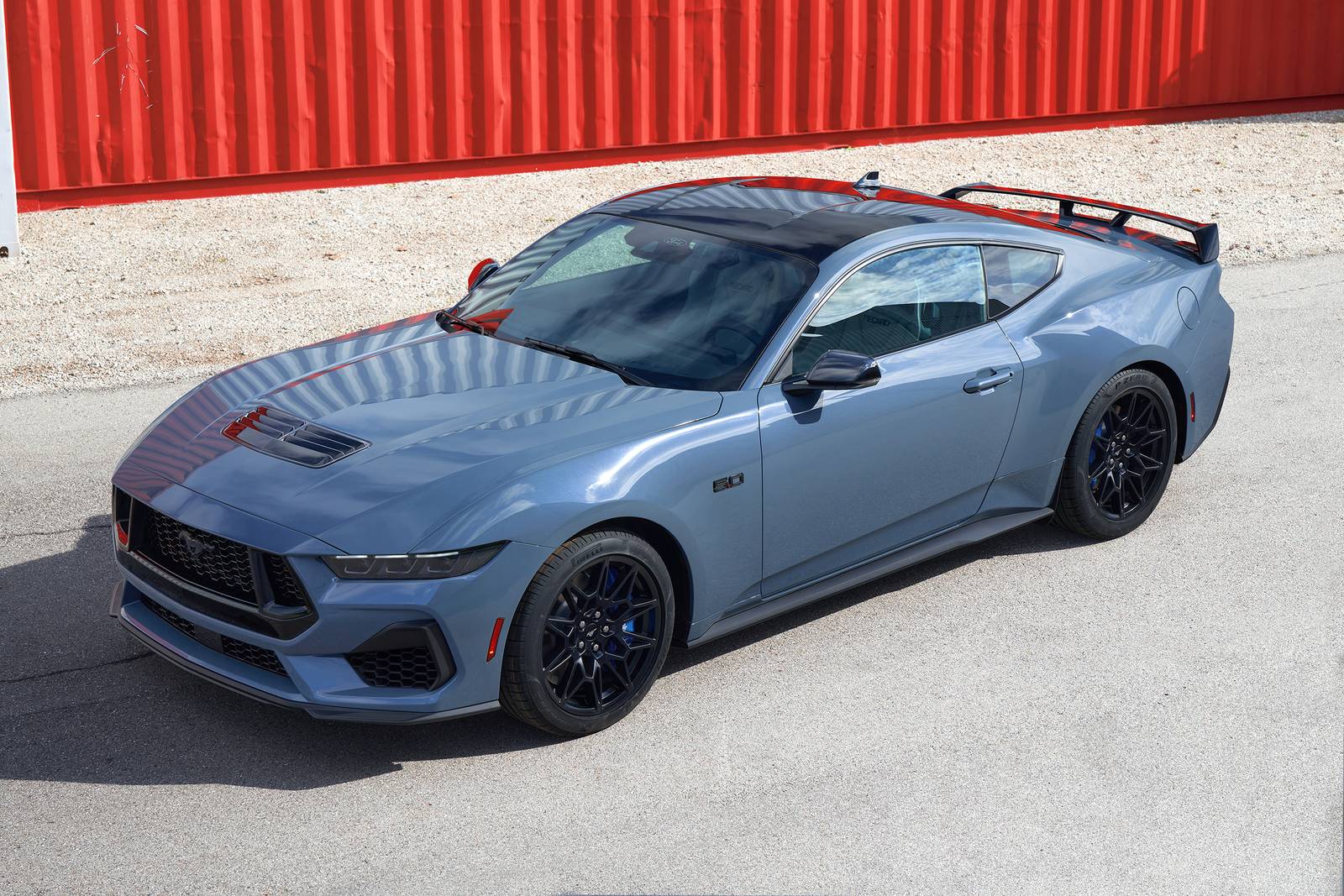
The 2026 Ford Mustang vs 2026 Nissan Z represents one of the most compelling head-to-head matchups in the modern sports car landscape. If you are shopping for a rear-wheel-drive performance coupe in 2026, these two icons sit at the top of nearly every enthusiast’s shortlist. One carries the torch for American muscle with a thunderous V8 and decades of pony car heritage. The other channels Japanese sports car philosophy through a twin-turbo V6 wrapped in retro-inspired sheet metal. This comprehensive buyer guide breaks down every critical factor—pricing, performance, design, technology, fuel economy, reliability, and real-world driving dynamics—to help you make the right decision.
Table of Contents
- Overview: Two Icons, Two Philosophies
- Pricing and Value Comparison
- Engine, Transmission, and Performance
- 0-60 MPH and Quarter-Mile Times
- Handling, Suspension, and Driving Dynamics
- Fuel Economy and Real-World Efficiency
- Interior, Comfort, and Technology
- Safety Features and Driver Assistance
- Practicality: Cargo, Seating, and Daily Usability
- Reliability, Warranty, and Ownership Costs
- Final Verdict: Which One Should You Buy?
- Frequently Asked Questions
1. Overview: Two Icons, Two Philosophies
The 2026 Ford Mustang and 2026 Nissan Z are both rear-wheel-drive coupes built for driving enthusiasts, but they approach the segment from fundamentally different directions. The Mustang, now in its seventh generation (S650 platform), is the last traditional American muscle car standing after the Chevrolet Camaro’s discontinuation and the Dodge Charger’s pivot toward electrification. It offers a range of powertrains from a turbocharged four-cylinder to a supercharged V8, with seating for four and a convertible option.
The 2026 Nissan Z, riding on the RZ34 platform, is a dedicated two-seat sports coupe that pays homage to the original Datsun 240Z from 1969. It is smaller, lighter, and more focused than the Mustang, with a twin-turbo V6 as its sole engine option. For 2026, Nissan introduces a new Heritage Edition that celebrates the fourth-generation 300ZX “Z32” with Midnight Purple paint, carbon fiber rear spoiler, bronze wheels, and retro graphics.
Both vehicles compete in the affordable performance coupe segment, but the Mustang casts a wider net with multiple trims and body styles, while the Z remains a purist’s machine with a narrower focus.
2. Pricing and Value Comparison
Pricing is one of the most important factors when comparing the 2026 Ford Mustang vs 2026 Nissan Z. Here is how the two stack up across their respective trim levels:
| Vehicle | Trim | Starting MSRP (USD) | Engine | Horsepower |
|---|---|---|---|---|
| 2026 Ford Mustang | EcoBoost | $32,320 – $34,635 | 2.3L turbo I4 | 315 hp |
| 2026 Ford Mustang | EcoBoost Premium | $36,345 – $38,340 | 2.3L turbo I4 | 315 hp |
| 2026 Ford Mustang | GT | $46,560 – $48,555 | 5.0L V8 | 480 hp |
| 2026 Ford Mustang | GT Premium | $51,080 – $53,075 | 5.0L V8 | 480-486 hp |
| 2026 Ford Mustang | Dark Horse | $63,080 – $66,075 | 5.0L V8 | 500 hp |
| 2026 Ford Mustang | Dark Horse Premium | $71,070 – $73,650 | 5.0L V8 | 500 hp |
| 2026 Nissan Z | Sport | $42,970 | 3.0L twin-turbo V6 | 400 hp |
| 2026 Nissan Z | Performance | $52,970 – $54,265 | 3.0L twin-turbo V6 | 400 hp |
| 2026 Nissan Z | NISMO | $66,890 – $69,095 | 3.0L twin-turbo V6 | 420 hp |
| 2026 Nissan Z | Heritage Edition | Priced above Performance | 3.0L twin-turbo V6 | 400 hp |
The Mustang EcoBoost undercuts the base Nissan Z Sport by approximately $8,000 to $10,000, making it the more accessible entry point. However, when comparing the V8 Mustang GT to the Z Performance, the pricing gap narrows significantly. The Mustang GT starts around $46,560, while the Z Performance begins near $52,970. The Dark Horse and Z NISMO occupy similar territory in the mid-$60,000 range, though the Dark Horse delivers substantially more power for the money.
For buyers prioritizing value per horsepower, the Mustang GT offers the strongest proposition: 480 horsepower for under $50,000. The Nissan Z Sport, at roughly $43,000 for 400 horsepower, also represents solid value, but the Mustang’s broader trim range and lower entry price give it an edge in overall affordability.
3. Engine, Transmission, and Performance
2026 Ford Mustang Powertrains
The 2026 Mustang offers four distinct powertrains, giving buyers an unmatched range of options in this segment:
- EcoBoost (2.3L turbo inline-4): 315 horsepower and 350 lb-ft of torque. Paired exclusively with a 10-speed automatic transmission. This is the efficiency champion of the lineup, delivering respectable performance with superior fuel economy.
- GT (5.0L Coyote V8): 480 horsepower and 415 lb-ft of torque. Available with either a 6-speed manual with rev-matching or a 10-speed automatic. An optional active valve performance exhaust increases output to 486 horsepower and 418 lb-ft.
- Dark Horse (5.0L V8, tuned): 500 horsepower and 418 lb-ft of torque. Features upgraded internals, including piston connecting rods derived from the Shelby GT500. Available with a 6-speed manual or 10-speed automatic. The 10-speed is now standard for 2026 at a minimal price increase.
- Dark Horse SC / GTD (5.2L supercharged V8): 795+ horsepower and 650 lb-ft of torque. Equipped with an 8-speed dual-clutch transaxle, pushrod rear suspension, and motorsport-derived aerodynamics, including a drag reduction system. This is a track weapon priced from approximately $145,000 to $176,000.
2026 Nissan Z Powertrain
The Nissan Z takes a simpler approach with a single engine architecture across all trims:
- VR30DDTT (3.0L twin-turbo V6): In Sport and Performance trims, this engine produces 400 horsepower and 350 lb-ft of torque. The Z NISMO bumps output to 420 horsepower and 384 lb-ft through revised engine management, increased boost, and exhaust modifications.
- Transmission choices: A 6-speed manual transmission is standard on Sport and Performance trims—a rarity in modern sports cars and a major selling point for enthusiasts. A 9-speed automatic is optional across the board. Notably, the Z NISMO is automatic-only, which may disappoint purists seeking a manual in the top trim.
The Mustang’s V8 delivers a character fundamentally different from the Z’s turbo V6. The Coyote engine is naturally aspirated, meaning power builds linearly with RPM and produces the iconic V8 soundtrack that has defined the Mustang for decades. The Z’s twin-turbo V6 offers strong mid-range torque and a more refined, if less theatrical, exhaust note. The Z’s engine is derived from the same VR30DDTT found in Infiniti luxury sedans, bringing a level of smoothness and refinement that contrasts with the Mustang’s raw mechanical feel.
4. 0-60 MPH and Quarter-Mile Times
Acceleration figures reveal how these two cars perform in real-world conditions. Here are the tested numbers from independent automotive publications:
| Vehicle | 0-60 MPH | Quarter-Mile | Transmission |
|---|---|---|---|
| Mustang EcoBoost (Perf. Pkg) | 4.5 – 4.9 sec | ~13.5 sec | 10-speed auto |
| Mustang GT (auto, perf. exhaust) | 3.7 sec | 12.2 sec @ 118 mph | 10-speed auto |
| Mustang GT (manual) | 4.2 – 4.8 sec | ~12.8 sec | 6-speed manual |
| Mustang Dark Horse (manual) | 4.1 sec | 12.5 sec @ 115 mph | 6-speed manual |
| Nissan Z Performance (manual) | 4.5 sec | ~13.0 sec | 6-speed manual |
| Nissan Z NISMO (auto) | 3.9 sec | 12.4 sec @ 114 mph | 9-speed auto |
The Mustang GT with the 10-speed automatic and performance exhaust is the acceleration king of this comparison, hitting 60 mph in just 3.7 seconds. That is supercar territory from a car starting under $50,000. The Dark Horse, despite its 20-horsepower advantage over the GT, is slightly slower to 60 mph in manual form (4.1 seconds) due to its heavier curb weight and more aggressive gearing, though it posts a higher trap speed through the quarter-mile when properly equipped.
The Nissan Z Performance matches the Mustang EcoBoost to 60 mph at 4.5 seconds, while the Z NISMO closes the gap significantly with a 3.9-second sprint. However, the Z NISMO’s automatic-only configuration removes the engagement factor that many buyers in this segment prioritize. For pure straight-line speed, the Mustang GT automatic is the clear winner. For those who value the involvement of a manual transmission, the Z Performance manual and Mustang GT manual offer similarly thrilling experiences, with the Mustang holding a slight edge in raw power.
5. Handling, Suspension, and Driving Dynamics
Where the Mustang and Nissan Z diverge most dramatically is in how they handle corners and communicate with the driver.
2026 Ford Mustang Handling
The seventh-generation Mustang rides on Ford’s S650 platform, which represents an evolution of the previous S550 architecture. Key improvements include sharper steering feel, better body control, and a more sophisticated multilink rear suspension. The Mustang GT with the Performance Package adds 19-inch wheels, larger Brembo brakes, a 3.73-geared Torsen limited-slip differential, and stiffer suspension tuning.
The Dark Horse takes things further with unique suspension calibration, MagneRide adaptive dampers (standard), larger rear sway bars, heavy-duty front shocks, and staggered 19-inch wheel sizes (9.5 inches front, 10 inches rear). On the skidpad, the Dark Horse has posted figures as high as 1.07 g—extraordinary for a front-engine car weighing nearly 4,000 pounds. The Dark Horse also features an electronic drift brake that can lock the rear wheels in Track mode, making it a hooligan’s delight.
However, the Mustang’s size is a limiting factor. At 189.4 inches long and weighing between 3,588 lbs (EcoBoost) and 3,975 lbs (Dark Horse), it is a substantial machine. On tight, technical backroads, the Mustang can feel large and deliberate rather than light and tossable.
2026 Nissan Z Handling

The Nissan Z is significantly more compact, measuring 173.2 inches in length with a 100.4-inch wheelbase. Curb weight ranges from approximately 3,500 lbs for the Sport trim to 3,673 lbs for the NISMO. This smaller footprint gives the Z an inherent agility advantage.
The standard Z Sport and Performance models use a front double wishbone and rear multilink aluminum suspension. The ride is compliant for daily driving, though critics note that the standard suspension can feel too soft during aggressive cornering. The Z NISMO addresses this with stiffer chassis bracing, a 15mm-wider track, revised suspension geometry, and stickier Dunlop SP Sport Maxx GT600 tires. The NISMO has posted skidpad figures of 1.02 g, impressive though slightly behind the Dark Horse.
On the road, the Z feels more intimate and responsive than the Mustang. The steering communicates better, and the car’s lighter weight makes it easier to place precisely on narrow roads. The Z NISMO’s turbo engine delivers a surge of mid-range torque that makes corner exits exhilarating, though the chassis can feel overwhelmed by the power on imperfect surfaces. The standard Z, meanwhile, strikes a better balance for street driving—fun without being punishing.
Verdict on handling: The Dark Horse is the track-day champion with its adaptive dampers and massive grip, but the standard Nissan Z is the better backroad companion for drivers who value feel and precision over outright capability. The Mustang GT sits somewhere in between—capable but less focused than either extreme.
6. Fuel Economy and Real-World Efficiency
Fuel economy is a practical concern even for sports car buyers. Here is how the two compare according to EPA estimates and real-world testing:
| Vehicle | City MPG | Highway MPG | Combined MPG | Observed Highway MPG |
|---|---|---|---|---|
| Mustang EcoBoost | 22 | 33 | 26 | 32 |
| Mustang GT (auto) | 16 | 24 | 19 | 24 |
| Mustang GT (manual) | 15 | 23 | 18 | 24 |
| Mustang Dark Horse | 14 | 22 | 17 | — |
| Nissan Z Sport/Perf. (auto) | 19 | 28 | 22 | 29 |
| Nissan Z Sport/Perf. (manual) | 18 | 24 | 20 | — |
| Nissan Z NISMO | 17 | 24 | 19 | 27 |
The Mustang EcoBoost is the efficiency leader by a wide margin, returning up to 33 mpg on the highway. For buyers who want Mustang style and handling without the V8 fuel bills, the EcoBoost is a compelling option. The V8-powered Mustangs, predictably, are thirsty. The GT automatic manages 24 mpg on the highway, while the Dark Horse drops to 22 mpg highway. Real-world observed figures from Car and Driver’s 75-mph highway test confirm these numbers.
The Nissan Z occupies the middle ground. Its twin-turbo V6 is more efficient than the Mustang V8 but thirstier than the EcoBoost four-cylinder. The automatic Z Performance returned 29 mpg in Car and Driver’s highway test, while the manual transmission drops highway economy to 24 mpg. The Z NISMO, with its higher boost and stickier tires, manages 27 mpg observed on the highway.
For daily commuters who occasionally enjoy spirited driving, the Z offers a reasonable compromise. For those prioritizing fuel costs above all else, the Mustang EcoBoost is the obvious choice. For buyers who simply do not care about fuel economy, the Mustang V8’s soundtrack justifies every gallon burned.
7. Interior, Comfort, and Technology
2026 Ford Mustang Interior
The 2026 Mustang’s interior represents a significant technological leap for the nameplate. A massive 12.4-inch digital instrument cluster and a 13.2-inch central touchscreen dominate the dashboard, running Ford’s SYNC 4 system. The digital cluster is highly customizable, with retro-themed gauge designs that pay homage to Mustangs’ past—including a Fox Body-inspired layout complete with green illumination for nostalgia seekers.
Build quality has improved over previous generations, though some critics note that certain plastics and panel gaps still feel downmarket for the price. The Mustang offers seating for four, but the rear seats are best described as “occasional use only” for adults. Cargo capacity is 13.3 cubic feet in the coupe and slightly less in the convertible. Wireless Apple CarPlay and Android Auto are available on higher trims, as is a wireless charging pad.
The Dark Horse and Dark Horse Premium add Recaro sport seats, though notably these lose the heating function found in standard GT seats. The Dark Horse also features unique interior trim, a thicker steering wheel, and metal paddle shifters on automatic models.
2026 Nissan Z Interior
The Nissan Z’s interior is a study in retro-modern design. Three analog-style gauges mounted atop the dashboard display boost pressure, turbo speed, and battery voltage—a direct nod to the original 240Z. The materials are generally high-quality, with Alcantara upholstery available on Performance and NISMO trims. The seats are comfortable and supportive, with the NISMO receiving special Recaro buckets with red accent stitching and NISMO branding.
Technology is where the Z shows its age relative to the Mustang. The base Sport trim gets an 8.0-inch touchscreen with wired Apple CarPlay and Android Auto. Performance and NISMO models upgrade to a 9.0-inch screen with wireless smartphone integration, navigation, and a Wi-Fi hotspot. Both screens run software that feels a generation behind the Mustang’s SYNC 4 interface, with slower response times and dated graphics. A 12.3-inch digital instrument display is standard across the lineup.
The Z is strictly a two-seater, which eliminates any pretense of practicality but also means there is no wasted space. Cargo capacity is 6.9 cubic feet—enough for three carry-on suitcases but significantly less than the Mustang’s trunk. The Z NISMO includes an 8-speaker Bose audio system, while lower trims make do with a six-speaker setup.
Interior verdict: The Mustang wins on technology, screen size, and rear-seat versatility. The Z wins on character, driver-focused ergonomics, and premium materials in higher trims. If you need to occasionally carry passengers or cargo, the Mustang is the only viable choice. If you prioritize a cockpit that feels special every time you slide behind the wheel, the Z has the edge.
8. Safety Features and Driver Assistance
Neither the 2026 Ford Mustang nor the 2026 Nissan Z has been fully evaluated by the IIHS or NHTSA as of this writing, but both come equipped with modern safety technology:
| Feature | Mustang | Nissan Z |
|---|---|---|
| Forward collision warning | Standard | Standard |
| Automatic emergency braking | Standard | Standard |
| Blind-spot monitoring | Standard | Standard |
| Lane departure warning | Standard | Standard |
| Lane keeping assist | Standard | Not available |
| Adaptive cruise control | Available | Available |
| Traffic sign recognition | Available | Available |
| Rear cross-traffic alert | Standard | Standard |
| Rear automatic braking | Available | Not available |
| Rear parking sensors | Standard | Standard |
| Front parking sensors | Available | Available (NISMO) |
| Airbags | 7 (incl. knee) | 6 |
The Mustang offers a more comprehensive suite of driver assistance features, including lane keeping assist and rear automatic braking, that are absent from the Z. Both cars include essential active safety technology, but the Mustang’s system is more robust. Neither vehicle offers advanced hands-free driving systems—these are sports cars that expect the driver to remain fully engaged.
9. Practicality: Cargo, Seating, and Daily Usability
Practicality may not be the primary concern for sports car buyers, but it matters for those planning to use their coupe as a daily driver:
- Seating: The Mustang offers 2+2 seating, meaning it can technically carry four passengers. The rear seats are cramped for adults but work in a pinch for short trips or children. The Z is a strict two-seater with no rear accommodations whatsoever.
- Cargo: The Mustang coupe provides 13.3 cubic feet of trunk space—generous for the segment and enough for a weekend getaway. The Z offers 6.9 cubic feet, which is adequate for groceries or a single large suitcase but limiting for road trips.
- Convertible option: The Mustang is available as a convertible in EcoBoost, EcoBoost Premium, GT, and GT Premium trims. The Nissan Z is a coupe-only for 2026.
- Visibility: The Mustang’s long hood and thick C-pillars create significant blind spots. The Z’s more compact dimensions and large rear glass hatch offer better outward visibility, though the thick rear pillars still obstruct the three-quarter view.
- Daily drivability: The EcoBoost Mustang is the easiest to live with daily, offering reasonable ride comfort and excellent fuel economy. The Z Performance with the automatic transmission is also civilized, though the manual requires more effort in traffic. The Mustang GT and Dark Horse are louder, stiffer, and more demanding as daily commuters.
For buyers who need their sports car to occasionally function as a practical vehicle, the Mustang is the clear winner. For those who have a second car for family duties and want a focused weekend toy, the Z’s limitations are irrelevant.
10. Reliability, Warranty, and Ownership Costs
Long-term ownership costs and peace of mind are important considerations for any vehicle purchase:
| Coverage | 2026 Ford Mustang | 2026 Nissan Z |
|---|---|---|
| Basic warranty | 3 years / 36,000 miles | 3 years / 36,000 miles |
| Powertrain warranty | 5 years / 60,000 miles | 5 years / 60,000 miles |
| Corrosion warranty | 5 years / unlimited miles | 5 years / unlimited miles |
| Complimentary maintenance | Not included | 2 years / 24,000 miles (3 oil changes) |
| Roadside assistance | 5 years / 60,000 miles | 3 years / 36,000 miles |
The Nissan Z benefits from Nissan’s Maintenance Care program, which includes up to three complimentary oil changes within the first two years or 24,000 miles. This is a small but meaningful perk that reduces early ownership costs. The Mustang offers longer roadside assistance coverage but no complimentary maintenance.
Reliability predictions favor the Mustang’s proven Coyote V8, which has been in production since 2011 with continuous refinement. The 10-speed automatic has also matured since its introduction. The Z’s VR30DDTT engine is newer to the Nissan sports car lineup but shares architecture with proven Infiniti powerplants. Early Z models have reported some minor issues with infotainment glitches and clutch feel, but no widespread mechanical problems have emerged.
Insurance costs will vary by driver and location, but the Mustang’s higher theft rates and more powerful variants typically result in slightly higher premiums than the Z. Fuel costs heavily favor the Z when comparing V8 Mustang to V6 Z, though the EcoBoost Mustang narrows this gap.
11. Final Verdict: Which One Should You Buy?
Choosing between the 2026 Ford Mustang vs 2026 Nissan Z ultimately depends on your priorities as a driver and buyer:
Buy the 2026 Ford Mustang if you:
- Want the most horsepower for your dollar (GT: 480 hp for ~$47K)
- Need occasional rear-seat space or convertible capability
- Prefer a naturally aspirated V8 with an iconic soundtrack
- Value cutting-edge infotainment and digital displays
- Plan to track your car and want the Dark Horse’s adaptive dampers and 1.07g grip
- Want the widest range of trim and price options
Buy the 2026 Nissan Z if you:
- Prioritize a pure, focused two-seat sports car experience
- Want a manual transmission in a modern performance car
- Prefer Japanese sports car character and heritage
- Value lighter weight and more nimble handling for backroad carving
- Appreciate retro design with analog gauge touches
- Want a more exclusive, lower-production vehicle
The Mustang is the more versatile, more powerful, and arguably better value proposition for most buyers. It offers something for everyone, from the efficient EcoBoost to the track-devouring Dark Horse. The Nissan Z, meanwhile, is the enthusiast’s choice for those who value engagement and character over raw statistics. It is less practical but more special—a car that feels like an event every time you drive it.
For the buyer who can only own one car and needs it to do everything, the Mustang GT Premium is the recommendation. For the buyer who already owns a practical daily driver and wants a weekend weapon, the Nissan Z Performance with the manual transmission is the more emotionally satisfying choice.
12. Frequently Asked Questions
Is the 2026 Ford Mustang faster than the 2026 Nissan Z?
Yes, in most configurations. The Mustang GT with the 10-speed automatic hits 60 mph in 3.7 seconds, while the fastest Z (NISMO automatic) manages 3.9 seconds. The Mustang Dark Horse and GT both outperform their Z counterparts in straight-line acceleration.
Which is better for daily driving, the Mustang or the Z?
The Mustang is better suited for daily driving due to its larger trunk, rear seats, convertible option, and more refined infotainment system. The EcoBoost Mustang is particularly well-suited for commuting with its 33 mpg highway rating. The Z can be daily-driven but requires more compromises in cargo capacity and passenger space.
Does the 2026 Nissan Z have a manual transmission?
Yes, the 2026 Nissan Z Sport and Performance trims offer a 6-speed manual transmission as standard equipment, with a 9-speed automatic available as an option. The Z NISMO is automatic-only. The Mustang GT and Dark Horse also offer a 6-speed manual, while the EcoBoost is automatic-only.
Which car holds its value better?
Both vehicles are expected to hold value reasonably well in the performance car segment. The Mustang benefits from higher production volumes and a larger enthusiast base, which supports strong resale. The Z’s lower production numbers and manual transmission availability may help certain trims retain value among collectors. Special editions like the Z Heritage Edition and Mustang Dark Horse SC will likely command premiums on the used market.
Is the Mustang or Z better for track days?
The Mustang Dark Horse is the superior track weapon with its MagneRide adaptive suspension, Torsen differential, larger brakes, and 1.07g skidpad performance. The Z NISMO is capable on track, but its stiffer suspension can be punishing, and the automatic-only configuration removes some driver engagement. For amateur track days, the Mustang GT with the Performance Package offers an excellent balance of capability and comfort.
What are the main competitors to consider?
Beyond these two, buyers should also test drive the Toyota GR Supra (382 hp, starting around $59,000), BMW M2 (473 hp, starting around $64,000), and Chevrolet Corvette Stingray (490 hp, starting around $69,000). The Mazda MX-5 Miata and Toyota GR86 offer lower-priced alternatives for buyers prioritizing handling over power.
What is new for the 2026 Ford Mustang?
For 2026, the Mustang receives the new FX package on GT Premium models, honoring the 1980s Fox Body era with white wheels, white badges, plaid seating inserts, and the new Adriatic Blue Metallic color. The Dark Horse now comes standard with the 10-speed automatic at a minimal price increase. New exterior colors include Orange Fury Metallic and Adriatic Blue Metallic.
What is new for the 2026 Nissan Z?
The 2026 Nissan Z introduces the Heritage Edition, celebrating the 300ZX Z32 with Midnight Purple paint, carbon fiber rear spoiler, bronze 19-inch wheels, and retro “twin-turbo” graphics. Otherwise, the Z carries over largely unchanged from 2025 with the same powertrains, interior, and feature sets.

2025 Subaru BRZ vs 2026 Ford Mustang
2025 Audi A7 vs 2025 Audi A8

2026 Mazda MX-5 Miata vs 2025 Subaru BRZ
2026 Toyota GR86 vs 2026 Nissan Z
2025 Subaru BRZ vs 2026 Nissan Z
2026 BMW 7-Series vs 2025 Audi A8
2026 Toyota GR86 vs 2026 Mazda MX-5 Miata

2026 Mazda MX-5 Miata vs Ford Mustang
