2026 Toyota GR86 vs 2026 Nissan Z
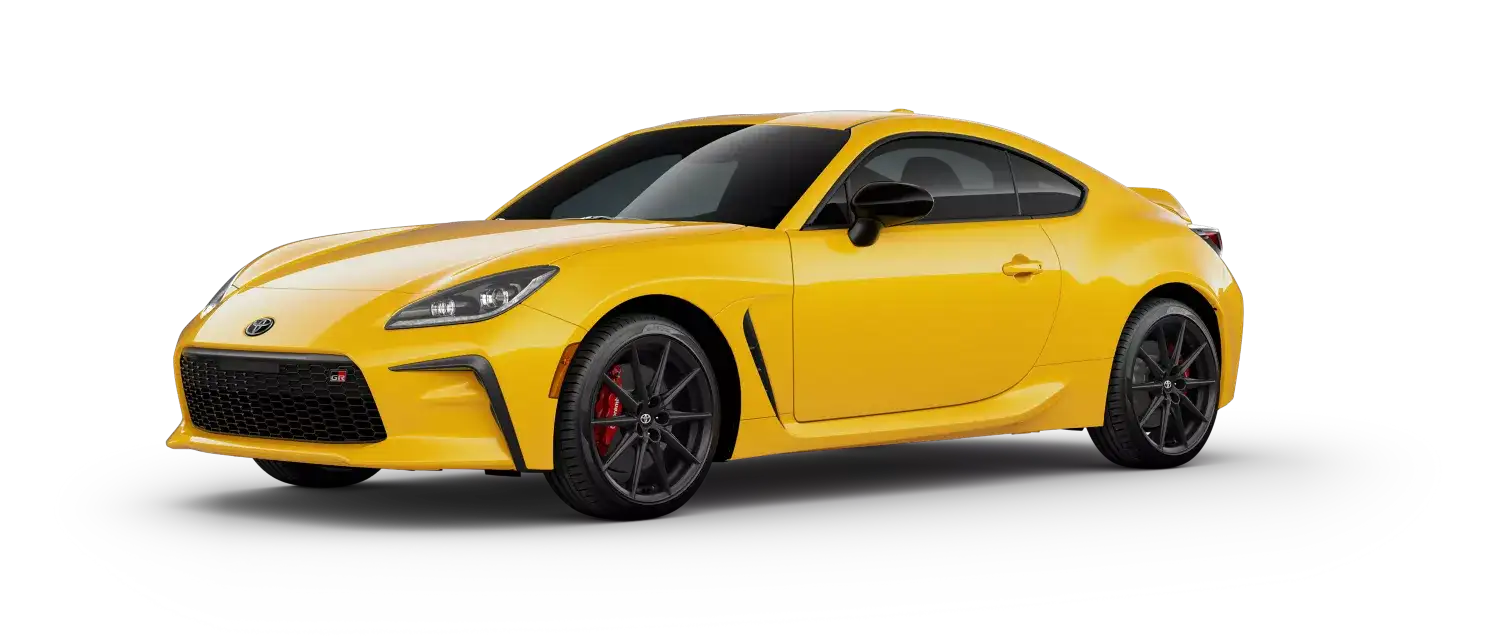
The 2026 Toyota GR86 vs 2026 Nissan Z — if you are shopping for an affordable, driver-focused sports coupe in 2026, these two names are almost certainly on your shortlist. Both deliver rear-wheel-drive thrills, iconic Japanese heritage, and the kind of analog driving experience that is rapidly disappearing from new-car showrooms. But they approach the sports-car formula from very different angles: the GR86 is a lightweight, naturally aspirated precision instrument, while the Nissan Z is a heavier, turbocharged powerhouse with throwback styling and serious straight-line performance.
In this comprehensive buyer guide, we break down every critical difference between the 2026 Toyota GR86 and the 2026 Nissan Z — from pricing and powertrains to handling, interior quality, reliability, and real-world ownership costs. Whether you are a first-time sports car buyer or a seasoned enthusiast looking for your next weekend toy, this guide will help you make an informed decision.
Quick Comparison: 2026 Toyota GR86 vs 2026 Nissan Z at a Glance
| Specification | 2026 Toyota GR86 | 2026 Nissan Z |
|---|---|---|
| Starting MSRP | $31,995 | $43,305 |
| Engine | 2.4L naturally aspirated flat-4 | 3.0L twin-turbo V6 |
| Horsepower | 228 hp @ 7,000 rpm | 400 hp @ 6,400 rpm |
| Torque | 184 lb-ft @ 3,700 rpm | 350 lb-ft @ 1,600–5,600 rpm |
| Transmission | 6-speed manual or 6-speed automatic | 6-speed manual or 9-speed automatic |
| Drivetrain | Rear-wheel drive | Rear-wheel drive |
| Curb Weight | ~2,850–2,900 lb | ~3,500–3,673 lb |
| 0–60 MPH | 5.4 sec (manual) | 4.5 sec (manual) / 4.3 sec (auto) |
| EPA Fuel Economy | 20 city / 26 hwy (manual) | 18 city / 24 hwy (manual) |
| Seating | 4 (2+2) | 2 |
| Cargo Space | 6.3 cu ft | 6.9 cu ft |
| Warranty | 3 yr/36,000 mi bumper-to-bumper; 5 yr/60,000 mi powertrain | 3 yr/36,000 mi bumper-to-bumper; 5 yr/60,000 mi powertrain |
2026 Toyota GR86 Overview: What Is New for 2026?
The 2026 Toyota GR86 returns largely unchanged from the previous model year, which is not a bad thing — the second-generation GR86 (introduced for 2022) was already one of the most well-balanced affordable sports cars on the market. For 2026, Toyota continues its tradition of releasing a limited-edition special model, and this year it is the GR86 Yuzu Edition.
The Yuzu Edition is limited to just 860 units for the U.S. market and features a vibrant yellow exterior paint inspired by the Japanese citrus fruit. More importantly, it comes standard with the Performance package that was previously exclusive to the Hakone Edition, including upgraded Sachs dampers, Brembo brakes, 18-inch matte-black wheels with summer performance tires, and yellow interior stitching. A cat-back exhaust and unique body kit are available as add-ons. If you can get your hands on one, the Yuzu Edition represents the most track-ready GR86 Toyota has ever offered from the factory.
Beyond the special edition, the core GR86 lineup remains the same: the base GR86 and the Premium trim. Both are powered by a 2.4-liter naturally aspirated flat-four ( boxer) engine co-developed with Subaru, producing 228 horsepower and 184 lb-ft of torque. A six-speed manual transmission is standard and strongly recommended; a six-speed automatic is available but adds cost and subtracts engagement.
2026 Toyota GR86 Pricing and Trims
- GR86 Base: $31,995
- GR86 Premium: $34,595
- GR86 Yuzu Edition: $37,560
The Premium trim adds heated leather-trimmed seats, 18-inch wheels with summer tires (on non-Yuzu models), adaptive LED headlights, and an upgraded eight-speaker audio system. For most buyers, the Premium is the sweet spot — but enthusiasts who want the ultimate GR86 experience should hunt for the Yuzu Edition before it sells out.
2026 Nissan Z Overview: What Is New for 2026?
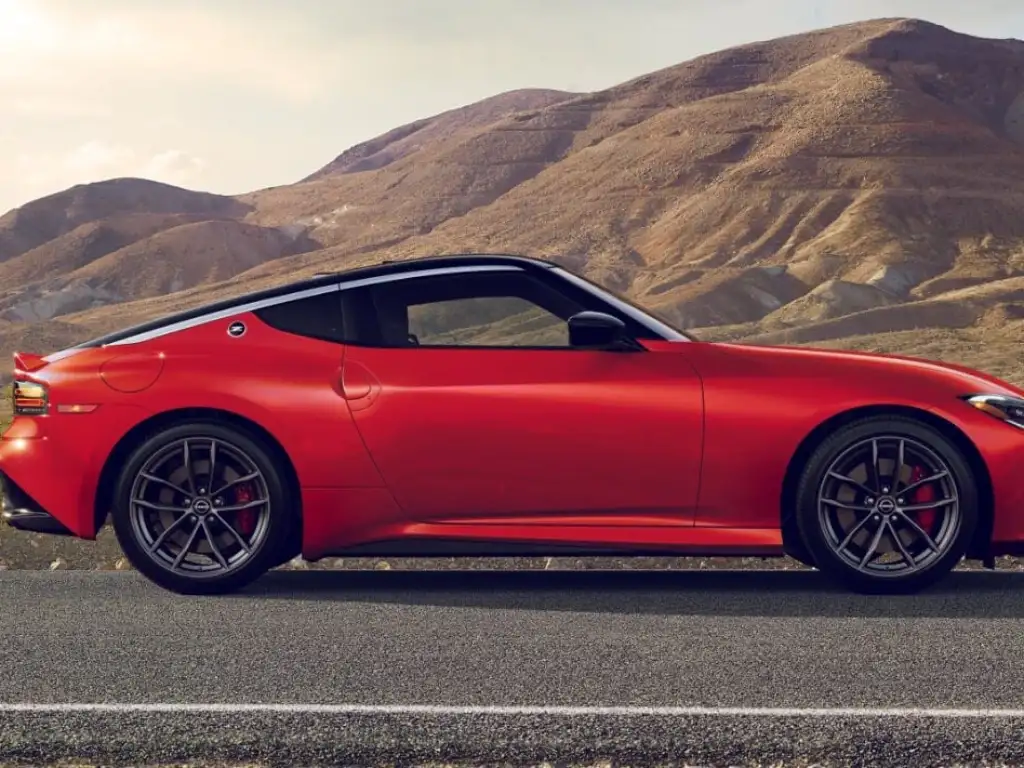
The 2026 Nissan Z carries over its mechanical underpinnings from 2025 but introduces meaningful visual and feature updates. The headline addition is the Z Heritage Edition, which pays tribute to the iconic fourth-generation 300ZX (Z32) from the 1990s. It features Midnight Purple paint, a carbon fiber rear spoiler, a “twin-turbo” graphic stripe, and 19-inch bronze-colored wheels — a love letter to Nissan performance fans.
More significantly, Nissan is preparing a refreshed Z lineup for the 2027 model year (arriving as a 2026 update in some markets), which includes a restyled front fascia inspired by classic Nissan sports cars, optimized for cooling airflow and reduced aerodynamic lift. The 2027 Z also introduces Shinkai Green Pearl Metallic paint, a new tan interior option, forged 19-inch wheels on Performance models, and a Qi2 wireless charger. For the U.S. market, the 2026 model year remains the current offering, with the 2027 updates expected to arrive in Summer 2026.
Perhaps the most exciting development for hardcore enthusiasts is the long-awaited arrival of a manual transmission for the Z NISMO. Previously automatic-only, the 2026/2027 Z NISMO will finally offer a six-speed manual gearbox, addressing one of the biggest criticisms of the high-performance variant. The NISMO also gets GT-R-derived front brake rotors, enhanced suspension, refined steering, and retuned active sound enhancement.
2026 Nissan Z Pricing and Trims
- Z Sport (Manual): $43,305
- Z Sport (Automatic): $45,305
- Z Performance (Manual): $53,305
- Z Performance (Automatic): $55,305
- Z NISMO (Automatic): $66,890
- Z Heritage Edition: Priced at Performance level
The Performance trim adds mechanical, limited-slip differential, larger brakes, 19-inch RAYS forged wheels, upgraded Bose audio, leather seats with power adjustment, and heated seats. The NISMO takes things further with 420 horsepower, a stiffer track-tuned suspension, wider wheels and tires, Recaro seats, and NISMO-specific aerodynamics.
Performance Comparison: Power, Acceleration, and Handling
Engine and Powertrain
The performance gap between these two cars is substantial — and it starts under the hood. The Toyota GR86 uses a 2.4-liter naturally aspirated flat-four engine (the FA24, shared with the Subaru BRZ) that produces 228 horsepower at 7,000 rpm and 184 lb-ft of torque at 3,700 rpm. It is a high-revving, naturally aspirated engine that rewards drivers who wring it out to redline. There is no turbo lag, no sudden power surge — just a linear, predictable powerband that builds progressively. It is an engine that teaches you to drive better.
The Nissan Z, by contrast, employs a 3.0-liter twin-turbo V6 (the VR30DDTT, shared with the Infiniti Q60 Red Sport) that cranks out 400 horsepower at 6,400 rpm and 350 lb-ft of torque from just 1,600 rpm. That is nearly double the torque of the GR86, available almost immediately. The Z pulls hard from low revs and never lets up, delivering a visceral acceleration experience that the GR86 simply cannot match. In NISMO guise, output rises to 420 horsepower and 384 lb-ft.
Both cars offer a six-speed manual transmission, but the Z also provides a nine-speed automatic. The GR86’s six-speed auto is a conventional torque-converter unit that is competent but uninspiring. The Z’s nine-speed automatic is quicker-shifting and better suited to the turbocharged engine’s torque curve. For purists, the manual is the only choice in either car — but the Z’s manual has been criticized for a notchy shift feel, while the GR86’s gearbox is widely praised for its short, precise throws.
Acceleration and Straight-Line Speed
| Metric | 2026 Toyota GR86 (Manual) | 2026 Nissan Z (Manual) | 2026 Nissan Z NISMO (Auto) |
|---|---|---|---|
| 0–60 MPH | 5.4 seconds | 4.5 seconds | 3.9 seconds |
| Quarter Mile | 14.0 seconds @ 101 mph | 13.0 seconds @ 108 mph | 12.4 seconds @ 114 mph |
| Top Speed | ~140 mph | ~155 mph | ~165 mph |
The numbers tell the story clearly: the Nissan Z is significantly faster in every measurable metric. The Z NISMO, in particular, is in a different league entirely — its 3.9-second 0–60 time puts it in supercar territory just a few years ago. But raw acceleration is not everything. The GR86’s lighter weight and lower center of gravity give it a nimbleness and agility that the heavier Z cannot fully replicate, especially on tight, technical roads.
Handling and Chassis Dynamics
This is where the philosophical divide between these two cars becomes most apparent. The GR86 weighs approximately 2,850 to 2,900 pounds — remarkably light by modern standards. Its low mass, near-perfect 53/47 weight distribution, and compact dimensions (167.9 inches long, 101.4-inch wheelbase) make it one of the most tossable, communicative sports cars on sale today. The steering is hydraulic-assisted (a rarity now) and provides exceptional feedback. The chassis balance is neutral, and with the right tires and technique, the GR86 can be drifted or rotated with precision. It is a car that makes average drivers feel like heroes and rewards skilled drivers with endless adjustability.
The Nissan Z, at roughly 3,500 pounds (and 3,673 pounds for the NISMO), is substantially heavier. Its longer wheelbase (100.4 inches) and wider track provide stability at high speeds, but the extra mass is noticeable in transitions. The standard Z’s suspension has been criticized as slightly too soft for a sports car, leading to body roll and understeer when pushed hard. The NISMO addresses this with stiffer springs, retuned dampers, wider anti-roll bars, and grippier Dunlop SP Sport Maxx GT600 tires — but even the NISMO cannot fully overcome the physics of its weight penalty.
On a racetrack, the Z NISMO’s superior power and braking (15.0-inch front rotors with four-piston calipers) allow it to post faster lap times. But on a winding mountain road, many drivers will find the GR86 more engaging and easier to exploit to its limits. The GR86 is a scalpel; the Z is a sledgehammer. Both are effective — but they demand different driving styles.
Interior, Comfort, and Daily Drivability
Cabin Design and Quality
The GR86 interior is purposefully minimalist. Everything is oriented toward the driver, with a small-diameter steering wheel, perfectly placed pedals for heel-toe downshifts, and a clean, uncluttered dashboard. Material quality is acceptable for the price point — there is plenty of hard plastic, but it feels durable rather than cheap. The 8.0-inch touchscreen infotainment system supports Apple CarPlay and Android Auto, and a 7.0-inch digital instrument cluster offers Normal, Sport, and Track modes. The rear seats are essentially decorative (30 cubic feet of passenger volume), but they fold flat to expand the 6.3-cubic-foot trunk to accommodate larger items.
The Nissan Z interior leans heavily into retro styling, with three analog gauges mounted atop the dashboard (boost, turbo speed, and voltage) that pay homage to the original 240Z. The overall design is more visually interesting than the GR86, with better material quality in higher trims — leather upholstery, power-adjustable seats, and a larger 8.0-inch touchscreen with navigation on Performance models. The Bose audio system is a noticeable upgrade over the GR86’s six-speaker base setup. However, the Z is strictly a two-seater, with no rear seats at all. Cargo space is slightly larger at 6.9 cubic feet, but the hatchback opening is more practical for loading bulky items.
Road Noise and Ride Comfort
Neither car is a luxury cruiser, but the GR86 is notably louder on the highway. Road noise filters through the thin insulation and lightweight body panels, making long highway drives tiring. The ride is firm but not punishing — the Sachs dampers on the Yuzu Edition and Performance package actually improve compliance over rough surfaces while sharpening body control.
The standard Z rides more softly than the GR86, which is a blessing on rough pavement but a curse when carving corners. The Z NISMO flips this script entirely — its stiffer suspension transmits every road imperfection into the cabin, and the ride can become harsh on broken asphalt. The NISMO is a weekend toy or track weapon, not a daily commuter for potholed city streets.
Infotainment and Technology
- GR86: 8.0-inch touchscreen, Apple CarPlay/Android Auto (wired), 7.0-inch digital gauge cluster, SiriusXM, six-speaker audio (base) or eight-speaker audio (Premium/Yuzu)
- Nissan Z: 8.0-inch touchscreen with navigation (Performance+), Apple CarPlay/Android Auto, 12.3-inch digital instrument cluster, Bose audio (Performance+), Qi2 wireless charging (2027 update)
The Z offers more technology and a more modern interface, but both systems are functional rather than class-leading. Neither car is bought for its infotainment suite.
Fuel Economy and Ownership Costs
EPA Fuel Economy Ratings
| Model | City MPG | Highway MPG | Combined MPG |
|---|---|---|---|
| GR86 (Manual) | 20 | 26 | 22 |
| GR86 (Automatic) | 21 | 30 | 24 |
| Nissan Z (Manual) | 18 | 24 | 20 |
| Nissan Z (Automatic) | 19 | 22 | 19–20 |
| Z NISMO (Automatic) | 17 | 24 | 19 |
The GR86 holds a modest advantage in fuel efficiency, particularly with the automatic transmission. However, the difference is not dramatic enough to be a deciding factor for most sports car buyers. Both cars require premium unleaded gasoline.
Insurance, Maintenance, and Depreciation
Insurance costs will be higher for the Nissan Z due to its significantly higher MSRP and more powerful engine. The GR86’s lower price point and Toyota’s reputation for reliability may result in more affordable premiums, especially for younger drivers.
Both manufacturers offer competitive warranty coverage: three years/36,000 miles bumper-to-bumper and five years/60,000 miles powertrain. Toyota includes two years/25,000 miles of complimentary maintenance, while Nissan offers up to three complimentary oil changes within the first two years/24,000 miles through its Maintenance Care program.
Depreciation is a concern for the Nissan Z, which has struggled with slower sales compared to rivals like the Ford Mustang. The GR86, by contrast, has maintained strong demand and may hold value better due to its lower entry price and enthusiast following. Limited-edition models like the Yuzu Edition could even appreciate over time.
Safety Features and Crash Test Ratings
Neither the 2026 Toyota GR86 nor the 2026 Nissan Z has been fully crash-tested by the NHTSA or IIHS for the current model year. However, both cars come equipped with modern active safety features.
- GR86 Standard Safety: Automated emergency braking, lane-departure warning, adaptive cruise control, automatic high beams
- Nissan Z Standard Safety: Automated emergency braking, blind-spot monitoring, rear cross-traffic alert, lane-departure warning, adaptive cruise control
The GR86’s smaller size and lighter weight could be a disadvantage in a collision with larger vehicles, but its low center of gravity and responsive handling may help drivers avoid accidents in the first place. The Z’s additional mass provides a theoretical advantage in impacts but also makes it harder to maneuver quickly in emergency situations.
Reliability and Long-Term Ownership
Toyota GR86 Reliability
Toyota’s reputation for reliability extends to the GR86, though the FA24 engine has had some documented issues. Early 2022 models experienced RTV sealant problems that could lead to oil starvation, but this was addressed under warranty. The naturally aspirated engine is mechanically simple compared to a turbocharged powerplant, with fewer components to fail. The six-speed manual transmission is robust and well-proven. For buyers planning to keep their car long-term or modify it extensively, the GR86’s simplicity is a significant advantage.
Nissan Z Reliability
The VR30DDTT engine in the Nissan Z is a proven powerplant from the Infiniti lineup, but turbocharged engines inherently have more complexity and heat management challenges. The Z has not been on the market long enough to establish a long-term reliability track record, but early reports have been generally positive. The nine-speed automatic transmission is more complex than the GR86’s manual or auto, which could mean higher repair costs down the line. The NISMO’s track-focused components (stiffer suspension, larger brakes) may wear faster under daily driving conditions.
Who Should Buy the 2026 Toyota GR86?
The 2026 Toyota GR86 is the right choice for you if:
- You prioritize handling precision and driving feel over raw power
- You want the lightest, most tossable sports car experience possible
- You are a driving enthusiast who enjoys wringing out a naturally aspirated engine
- You need occasional rear-seat access (even if it is tight)
- You are budget-conscious and want maximum fun per dollar
- You plan to track your car and want a simple, reliable platform
- You appreciate the Toyota/Subaru boxer engine character and aftermarket support
The GR86 is a purist’s car. It does not overwhelm you with power; it teaches you to be a better driver. It is the kind of car that feels special at 40 mph because of how it communicates with you through the steering wheel, seat, and pedals. For canyon carving, autocross, or track days on a budget, the GR86 is nearly unbeatable.
Who Should Buy the 2026 Nissan Z?
The 2026 Nissan Z is the right choice for you if:
- You want serious straight-line acceleration and turbocharged torque
- You love the retro Z-car styling and want a modern interpretation of a classic
- You have a larger budget and want more features and refinement
- You prefer a more comfortable ride for daily commuting (standard Z)
- You want a car that can dominate at drag strips and highway roll races
- You are drawn to the NISMO variant’s track capability and exclusivity
- You want a two-seat coupe with no compromises on interior space for the driver
The Z is a grand tourer with sports car credentials. It can cross continents in comfort and then tear up a racetrack on the weekend. The 400+ horsepower engine provides a thrill that the GR86 simply cannot match, and the available NISMO variant elevates the Z into genuine performance car territory. If you have the budget and want one of the last great Japanese sports coupes, the Z delivers.
Verdict: Which Car Wins the 2026 Toyota GR86 vs 2026 Nissan Z Showdown?
There is no single “winner” in this comparison — the 2026 Toyota GR86 and 2026 Nissan Z serve different missions and appeal to different drivers. But here is how we break it down:
| Category | Winner | Why |
|---|---|---|
| Best Value | Toyota GR86 | $11,000+ lower starting price; more fun per dollar |
| Acceleration | Nissan Z | 400+ hp vs. 228 hp; no contest |
| Handling | Toyota GR86 | Lighter, more balanced, more communicative |
| Daily Drivability | Nissan Z (Standard) | More comfortable, quieter, more features |
| Track Performance | Nissan Z NISMO | Superior power, brakes, and aero |
| Driver Engagement | Toyota GR86 | NA engine, hydraulic steering, lighter weight |
| Interior Quality | Nissan Z | Better materials, more tech, premium feel |
| Reliability (Projected) | Toyota GR86 | Simpler mechanics, Toyota track record |
| Aftermarket Support | Tie | Both have strong tuning communities |
Buy the 2026 Toyota GR86 if you want the purest, most affordable driver’s car on the market — a vehicle that prioritizes chassis dynamics and driver connection above all else. It is the spiritual successor to classic lightweight sports cars and a masterclass in doing more with less.
Buy the 2026 Nissan Z if you want a more powerful, more refined sports coupe with iconic styling and genuine performance credentials. The Z offers a level of acceleration and presence that the GR86 cannot match, and the NISMO variant is a legitimate track weapon. Just be prepared to pay significantly more for the privilege.
Frequently Asked Questions (FAQ)
Is the 2026 Toyota GR86 faster than the 2026 Nissan Z?
No. The Nissan Z is significantly faster in every acceleration metric. The Z’s 400-hp twin-turbo V6 propels it from 0–60 mph in approximately 4.5 seconds (manual) or 4.3 seconds (automatic), while the GR86 takes 5.4 seconds with the manual transmission. The Z NISMO is faster still, hitting 60 mph in just 3.9 seconds.
Can the Toyota GR86 be used as a daily driver?
Yes, but with caveats. The GR86 is comfortable enough for daily commuting, and its small size makes parking easy. However, the cabin is loud at highway speeds, the rear seats are essentially unusable for adults, and the firm ride may become tiresome on rough roads. It is best suited for drivers who prioritize engagement over isolation.
Is the Nissan Z NISMO worth the extra money?
For dedicated track enthusiasts, yes. The NISMO adds 20 horsepower, significantly upgraded brakes, stiffer suspension, wider wheels and tires, Recaro seats, and NISMO-specific aerodynamics. However, the ride is much harsher than the standard Z, and the automatic-only transmission (until the 2027 manual arrives) may disappoint purists. If you do not plan to track your car regularly, the Performance trim offers the best balance of capability and comfort.
Which car has better resale value?
The Toyota GR86 is likely to hold its value better due to its lower entry price, strong enthusiast demand, and Toyota’s reputation for reliability. Limited editions like the Yuzu Edition may even appreciate. The Nissan Z has faced slower sales and higher depreciation, though Heritage Edition and NISMO models may be more collectible.
Should I wait for the 2027 Nissan Z updates?
If you want the manual NISMO, the restyled front fascia, or the new Shinkai Green paint color, waiting for the 2027 model (arriving Summer 2026) makes sense. However, if you are shopping for a standard Z Sport or Performance, the 2026 model offers the same mechanical package and may be available with better incentives.
Is the GR86 or the Z better for track days?
The GR86 is cheaper to run on track (tires, brakes, fuel) and its lighter weight reduces consumable wear. It is also more forgiving for novice drivers. The Z NISMO will post faster lap times thanks to its power and grip, but it is more expensive to operate and less forgiving at the limit. For casual track days, the GR86 (especially with the Performance package) is the smarter choice. For competitive time attack, the Z NISMO has the edge.
Final Thoughts: Two Icons, Two Philosophies
The 2026 Toyota GR86 vs 2026 Nissan Z debate is really a debate about what matters most to you as a driver. Do you want the lightest, most connected, most affordable sports car experience? The GR86 is your answer. Do you want turbocharged power, retro-cool styling, and a more premium package? The Nissan Z is calling your name.
Both cars represent something increasingly rare in 2026: affordable, rear-wheel-drive, internal-combustion sports coupes built for people who love to drive. Neither will be around forever. Whichever you choose, you are buying into a legacy of Japanese performance engineering that stretches back decades — and that is something no SUV or EV can replicate.

2026 Toyota GR86 vs 2025 Subaru BRZ

2026 Mazda MX-5 Miata vs Ford Mustang

2025 Subaru BRZ vs 2026 Ford Mustang
2026 BMW 7-Series vs 2025 Audi A8
2026 Ford Mustang vs 2026 Nissan Z

2026 Mazda MX-5 Miata vs Nissan Z
2025 Audi A7 vs 2025 Audi A8
2025 Subaru BRZ vs 2026 Nissan Z
